
Blooming
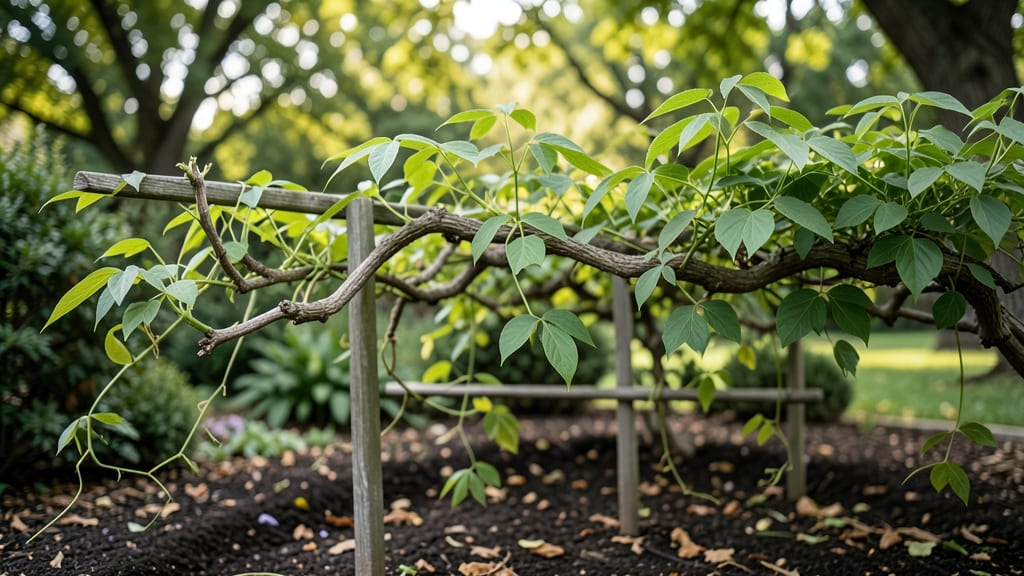
Wisteria before it blooms is where the magic of towering, fragrant stems begins—those gnarled, bare branches hiding a secret. 🌿 I’ve watched my wisteria go from winter’s skeletal remains to a thriving vine in just six weeks, all thanks to early pruning and a little patience.
The key? Knowing exactly when to cut and what to look for before those iconic purple blooms even appear.
Right now, your wisteria is in dormancy, but by late winter, you’ll spot tiny buds forming along last year’s wood—these are your clues. Prune too early, and you’ll cut off next year’s flowers; wait too long, and you’ll encourage weak growth.
The perfect time? When you see leaf buds swelling but before the first green shoots emerge. That’s your window to shape the vine without sacrificing blooms.
What you’ll end up with is a stronger, more productive vine that climbs higher and flowers more abundantly. The stems thicken, the buds plump up, and by spring, your wisteria will be a lush, fragrant canopy.
The secret isn’t complicated—it’s about timing, a sharp pair of pruners, and trusting the process.
This works for any wisteria variety, whether it’s climbing a trellis, sprawling over an arbor, or draping from a pergola. Once you master the pre-bloom prune, your vine will thank you with years of dramatic, fragrant displays. Let’s get those branches in shape!
📚 In This Guide
- What you need
- Instructions
- Tips and common mistakes
- Wrapping up and next steps
What you need
- ● Pruning shears: Sharp, bypass-pruners (2–4 inches long) for clean cuts on smaller stems.
- ● Loppers: Heavy-duty (8–12 inches) for thicker branches (½–1 inch in diameter).
- ● Pruning saw: A curved-tooth saw for stubborn, woody stems (1+ inch thick).
- ● Gloves: Heavy-duty gardening gloves (cut-resistant for safety).
- ● Disinfectant: 70% isopropyl alcohol or a 10% bleach solution to sterilize tools between cuts.
- ● Twine or zip ties: For securing temporary supports if training young vines.
- ○ Pruning sealant (optional): (e.g., tree wound dressing) for large cuts to prevent disease.
- ● Timing: Prune after the plant’s dormancy period (late winter/early spring, before buds swell).
- ● Weather: Choose a dry, calm day to avoid spreading sap or disease.
- ● Safety gear: Safety glasses (if cutting near your face) and long sleeves/pants.
- ● Cleanup supplies: Heavy-duty trash bags (wisteria debris can be invasive—compost or dispose properly!).
How to prune wisteria before it blooms
Here's the method I swear by to keep your wisteria lush, fragrant, and easy to manage—before those heavy blooms even appear.
✂️ Step 1: Identify and Remove Dead or Weak Growth
Start by scanning your wisteria for any branches that look completely dead—those are the ones that won’t produce blooms and just take energy from the plant. Use your pruners to cut these back to the main stem or to a healthy bud. I always make my cuts at a 45-degree angle, just above a leaf node, to encourage new growth from that spot.
Next, look for weak or spindly stems that aren’t growing upright. These won’t support heavy blooms and can get tangled in the stronger branches. Snip them off at the base. This is also the time to remove any suckers—those are the little shoots growing from the base or along the trunk. They’re a waste of energy for the plant and won’t contribute to those fragrant clusters.
✂️ Step 2: Thin Out Crowded Branches for Better Airflow
Wisteria grows fast, and if you let it get too dense, the center of the plant won’t get enough sunlight or airflow. That’s a recipe for disease and weak blooms. Start by focusing on the inner branches—these are the ones that often get shaded out. Use your pruners to cut back about one-third of the oldest, thickest branches in the center of the plant.
You’ll know you’re doing it right when you can see light and air moving through the plant. Aim for a shape that’s more open and conical rather than a tight, tangled mess. This isn’t about making it look perfect—it’s about giving the plant room to grow strong stems that will support those heavy, fragrant blooms later.
✂️ Step 3: Shape the Plant for Strong, Towering Growth
Now’s the time to encourage that classic wisteria look—long, graceful stems that cascade beautifully. Look for the strongest, healthiest branches that are growing in the direction you want the plant to fill. These are your keepers. Cut back any competing branches that are growing inward or crossing over others.
For each branch you keep, trim it back to a bud that’s facing the direction you want the plant to grow. If you want it to climb upward, cut just above a bud that’s pointing upward. If you’re training it along a trellis, angle your cuts to encourage growth in that direction. This is where you’ll see the most dramatic change—your wisteria will start to fill out with purpose.
✂️ Step 4: Prune for Next Year’s Blooms
Here’s the secret most people miss: the blooms on wisteria grow on new wood, meaning they form on the growth from the current season. To maximize next year’s flowers, you need to encourage plenty of new, healthy growth. Look for branches that have at least 3-4 sets of leaves—these are strong enough to support blooms.
Trim back these branches to just above a strong, outward-facing bud. This bud will sprout new growth in the spring, and that’s where next year’s flower clusters will form. Avoid cutting back too aggressively—you’re not trying to stunt the plant, just guiding it to produce the most fragrant, abundant blooms possible. Think of it like giving your wisteria a haircut that shapes its future.
⏰ Step 5: Clean Up and Monitor for New Growth
After you’ve finished pruning, take a moment to clean up the area. Rake up any debris from the pruned branches—this helps prevent disease and pests from setting up shop in your wisteria. Now, keep an eye out for new shoots emerging from the buds you left behind. These are your signal that the pruning worked.
Water the base of the plant deeply to help it recover, but avoid overwatering—wisteria roots need good drainage. In a few weeks, you’ll start to see the plant fill out with fresh, vibrant growth. That’s when you’ll know your early pruning paid off. The key is consistency: repeat this process every year before the blooms appear, and you’ll have a wisteria that’s not just beautiful, but thriving and fragrant for years to come.
Tips & tricks for perfect wisteria pruning
These little details make all the difference between a tangled mess and a showstopping wisteria that bursts with fragrance every spring.
Pruning Angle Matters: That 45-degree angle in Step 1 isn't just for looks—it helps water run off the cut and prevents rot. I've seen so many gardeners skip this, and within weeks, those cuts turn mushy. Always make your cuts just above a leaf node where new growth will emerge. Think of it like giving your wisteria a clean haircut that lets it breathe.
The One-Third Rule: When thinning crowded branches in Step 2, resist the urge to go overboard. Cutting back one-third of the oldest, thickest branches opens up the plant without shocking it. I learned this the hard way after pruning too aggressively one spring—my wisteria took two years to recover its fragrance. Start small, then adjust next year if needed.
Bud Direction Dictates Growth: Step 3 is where you shape your wisteria's future. That outward-facing bud you're trimming to? It determines where new growth will sprout. If you want upward growth, cut above an upward-pointing bud. For trellis training, angle your cuts toward the trellis direction. This might feel fussy at first, but it's what transforms a wild tangle into those elegant cascades we all love.
New Growth Check: After pruning, don't just toss those cuttings—keep one or two to monitor for new shoots. These are your early warning system. If you see vigorous new growth within 2-3 weeks, your pruning worked. No new growth? You might have cut too aggressively or missed some buds. This visual cue saves you from wondering "Did I do it right?"
Pro Tips for Wisteria Before It Blooms
- These little details make all the difference between a tangled mess and a showstopping wisteria that bursts with fragrance every spring.
- Pruning Angle Matters: That 45-degree angle in Step 1 isn't just for looks—it helps water run off the cut and prevents rot.
- The One-Third Rule: When thinning crowded branches in Step 2, resist the urge to go overboard.
Frequently asked questions
When is the best time to prune wisteria before it blooms?
Prune wisteria after it blooms in late spring or early summer (June–July). This ensures you remove spent flowers while preserving next year’s blooms. Avoid pruning in fall or winter—it can stimulate new growth that won’t harden off before cold weather, risking damage. Think of it as a post-party cleanup!
How much can I cut back wisteria before it blooms?
For mature wisteria, aim to remove 1/3 of the plant’s oldest stems (those thicker than a pencil). Focus on dead, diseased, or crossing branches first. Never cut more than 25% in one season—aggressive pruning can stress the plant and reduce flowering. Pro tip: Use sharp bypass pruners for clean cuts!
Will pruning wisteria before it blooms kill my flowers?
No—but timing matters! Pruning after blooming (late spring) ensures you keep flower buds for next year. If you prune before blooms open (winter/early spring), you risk removing next year’s flowers. Think of it like trimming a haircut: too early = disaster; too late = missed potential.
What if my wisteria isn’t blooming at all?
Lack of blooms often means over-pruning or poor sunlight. Check these fixes:
- Sunlight: Wisteria needs 6+ hours of direct sun daily.
- Pruning: Avoid heavy cuts in winter; stick to post-bloom shaping.
- Fertilizer: Use a balanced, phosphorus-rich fertilizer in early spring.
- Age: Young wisteria (under 3 years) may not bloom—patience is key!
Can I prune wisteria if it’s growing on a trellis or arbor?
Yes! Trellis-grown wisteria benefits from annual pruning to control growth and shape. Focus on:
- Thinning: Remove overcrowded stems to improve airflow.
- Training: Gently weave new growth through the trellis to encourage upward growth.
- Avoid: Don’t let vines strangle the trellis—prune to maintain structure.
Wrapping up and next steps
Wisteria before it blooms is a hidden treasure—with the right early pruning, you can unlock lush, fragrant vines that climb and dazzle for years.
Remember, timing and technique are your best friends: prune in late winter or early spring, cut back 1/3 of last year’s growth, and always shape with intention. Don’t let fear hold you back—every snip is a step toward a stunning, healthy vine!
Ready to transform your wisteria? Grab your pruners, mark your calendar, and give those vines the care they deserve. Watch them thrive—and reward you with cascades of color! 🌸✂️