
Blooming
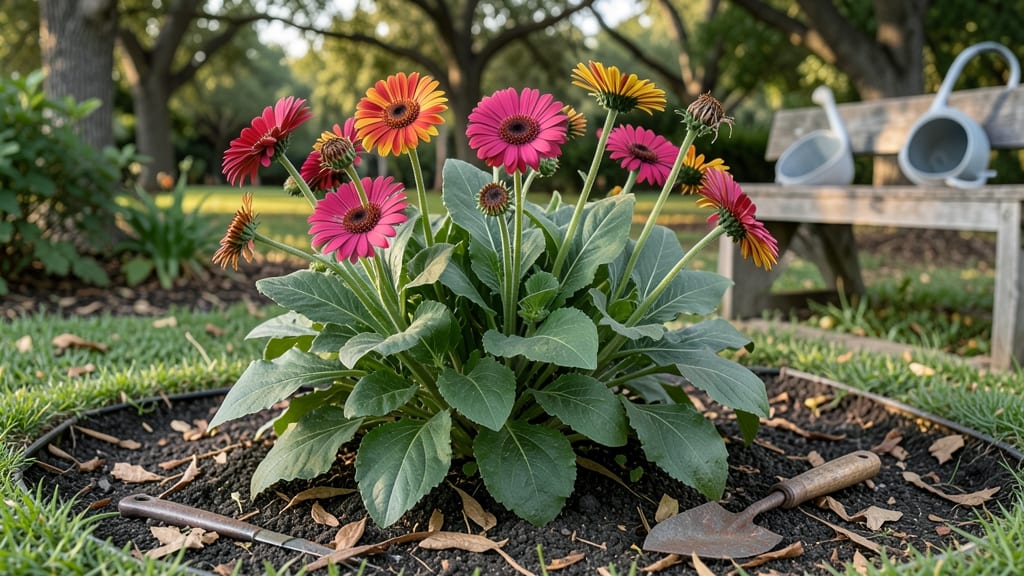
Your daisies should rebloom—if you know the secret. 🌼 The difference between one flush of blooms and a summer-long show comes down to when and how you cut those spent flowers.
I’ve watched my Shasta daisies go from one sad bloom to weeks of fresh petals just by changing my deadheading routine.
Here’s the thing: most gardeners deadhead too late or too aggressively. The trick is cutting just above the next set of leaves (about ¼ inch above) when the flower head turns brown.
This tells the plant, “Keep going!”—not “You’re done.” Too much stem left behind? You’ll stunt new growth. Too little? You’ll leave ugly stubs.
Within 10-14 days, you’ll see fresh buds forming at the base of the plant. The key is consistency: check your daisies twice a week in peak bloom season, and you’ll turn one-time bloomers into nonstop performers.
Even my neglected Oxeye daisies now put on a second show in late summer.
Works for Shasta, Gerbera, and Oxeye varieties—just adjust timing for your climate. Early bloomers (like Shastas) need deadheading by mid-June to extend the season. Late bloomers (like Gerberas) can wait until after their first flush. Here’s how to do it right.
📚 In This Guide
- What you need
- Instructions
- Tips and common mistakes
- Wrapping up and next steps
What you need
- ● Pruning shears or sharp scissors – Clean, sharp tools prevent damage and disease (1 pair).
- ○ Gloves (optional but recommended) – Protects hands from thorns or sap (1 pair).
- ○ Garden twine or rubber bands (optional) – For bundling spent blooms for composting (small roll).
- ● Healthy, established daisy plants – Reblooming works best on mature plants (at least 1 season old).
- ● Well-draining soil – Ensures roots stay strong for regrowth.
- ● Sunlight (6+ hours/day) – Critical for photosynthesis and reblooming.
- ● Watering routine – Keep soil consistently moist but not soggy.
How to encourage daisies to rebloom all season long
Here's the simple routine that keeps my daisies flowering nonstop—no fancy tools or secret tricks.
✂️ Step 1: Deadhead Correctly at the Right Time
Wait until a spent bloom's center turns brown and the petals begin to wilt completely. This signals the flower has finished its cycle and energy can redirect to new buds. Use clean, sharp pruners or even your fingers to pinch off the entire spent bloom plus ½ inch of stem below it.
I always make the cut just above a leaf node or side bud—this is where new growth emerges. You'll see fresh green growth appear within 3-5 days if you've cut in the right spot. Never leave stubs or you'll invite disease into the plant.
🌱 Step 2: Fertilize Lightly After Each Deadheading Round
Feed your daisies with a balanced 10-10-10 fertilizer every 4-6 weeks during the growing season. I use about 1 tablespoon per plant sprinkled around the base, then water deeply to activate it. The key is consistency—never overdo it, or you'll get lush leaves but no flowers.
Watch for new buds forming at the base of the plant after fertilization. These will appear as small green bumps about 1 inch tall. This is your signal that the plant is responding well and preparing for its next bloom cycle.
☀️ Step 3: Provide Consistent Sun and Water
Daisies need full sun (6-8 hours daily) to rebloom reliably. If your plants start producing fewer flowers, check their light exposure first. I've seen daisies in partial shade still bloom, but the flowers will be smaller and less frequent.
Water deeply once a week during dry spells, aiming for 1 inch of water per week. The soil should feel dry 1-2 inches down before watering again. Mulch around the base with 2 inches of organic mulch to retain moisture and keep roots cool.
⏰ Step 4: Prune for Shape and Airflow in Late Summer
When the first frost threatens or flowers start slowing in late summer, give your daisies a light trim. Cut back all stems by ⅓ of their height using clean pruners. This encourages a fresh flush of growth and prevents the plant from looking leggy.
Remove any dead or diseased stems immediately—they sap energy from healthy growth. You'll notice new side shoots appear within 2 weeks of pruning. This is the plant's way of preparing for next season's blooms.
🌿 Step 5: Watch for Buds and Repeat the Process
As new buds form, they'll appear as tight green clusters at the stem ends. These will open into flowers within 7-10 days. The moment you see buds forming, it's time to start the deadheading cycle again—this keeps the plant focused on producing flowers instead of setting seed.
I check my daisies every 2-3 days during peak bloom season. This frequent monitoring lets me catch spent blooms early and maintain that nonstop color. The more you deadhead, the more your daisies will reward you with fresh blooms.
Tips & tricks for nonstop daisy blooms
Here's what I've learned after years of keeping my daisies flowering all summer long.
The Right Cut Matters: In Step 1, when deadheading, make your cut at a 45-degree angle just above a leaf node. This small detail prevents water from pooling on the stem and reduces disease risk. I've seen daisies with stub cuts develop fungal issues within days—don't skip this precision!
Timing is Everything: The 3-5 day window for new growth to appear after deadheading is your best indicator of success. If you don't see fresh green within this time, check your cut location or fertilizer application. I've found that early morning deadheading gives plants the whole day to recover before night cooling.
Fertilizer Consistency: The 4-6 week schedule for 10-10-10 fertilizer is crucial—too frequent and you'll get leaves over flowers. I've had seasons where I forgot and ended up with beautiful foliage but no blooms. Always water deeply after fertilizing to activate the nutrients properly.
Late Season Revival: That late summer trim in Step 4 isn't just for looks—cutting back by ⅓ encourages daisies to put their energy into next season's growth. I've seen plants that received this trim produce flowers well into fall that wouldn't have otherwise.
Pro Tips for Will Daisies Rebloom
- Here's what I've learned after years of keeping my daisies flowering all summer long.
- The Right Cut Matters: In Step 1, when deadheading, make your cut at a 45-degree angle just above a leaf node.
- Timing is Everything: The 3-5 day window for new growth to appear after deadheading is your best indicator of success.
Frequently asked questions
Why won’t my daisies rebloom after the first flush?
Most daisies (like Gerbera or Gerbera jamesonii) are seasonal bloomers—they focus energy on flowers once, then rest. However, proper deadheading (removing spent blooms) and regular fertilization can encourage a second round. Perennials like Shasta daisies may rebloom if given consistent care, while annuals (e.g., African daisies) typically bloom nonstop if deadheaded religiously.
How long does it take for daisies to rebloom after deadheading?
Reblooming time varies by type:
- Annuals (e.g., African daisies): 4–6 weeks with ideal conditions (sun, water, nutrients).
- Perennials (e.g., Shasta daisies): 6–8 weeks, often in late summer or early fall.
- Biennials (e.g., Oxeye daisies): May rebloom the following year if roots survive winter.
Can I cut daisies for bouquets and still get reblooms?
Yes! Selective cutting works best—leave at least half the plant intact to maintain photosynthesis. Avoid over-pruning; focus on outer blooms first. For maximum reblooms, harvest in the morning and trim stems at a 45° angle to encourage water uptake. Bonus: Place cuttings in warm water to extend vase life!
What if my daisies stop blooming mid-season?
Common causes and fixes:
- Overcrowding: Thin plants to improve airflow (aim for 12–18" spacing).
- Nutrient deficiency: Feed with balanced fertilizer (10-10-10) every 4–6 weeks.
- Pests/disease: Check for aphids, powdery mildew, or fungal spots. Treat with neem oil or fungicide.
- Stress: Ensure 6+ hours of sun and 1" of water weekly (drought triggers dormancy).
Are there daisy varieties that rebloom more easily?
Try these reblooming champions:
Variety
Rebloom Habit
Care Tips
Gerbera daisies
Annual; continuous with deadheading
Full sun, rich soil, weekly deadheading
Gerbera jamesonii (African daisy)
Nonstop summer blooms
Pinch back after first flush; avoid cold drafts
Shasta daisy
Perennial; late-summer rebloom
Divide every 3 years; fertilize in spring
Painted daisy (Chrysanthemum)
Fall rebloom (if pruned early)
Cut back by ⅓ in early summer
Wrapping up and next steps
So, will daisies rebloom? Absolutely—with the right care! Deadheading spent blooms, providing balanced sunlight, and keeping them well-watered unlocks a season of vibrant, continuous color. Whether you're a gardening newbie or a seasoned pro, these simple tricks make it easy to enjoy daisies from spring through fall.
Ready to transform your garden? Grab your shears and get pruning! Start with just a few plants, experiment with techniques, and watch your garden burst with cheerful daisies all season long. 🌼✨