
Blooming
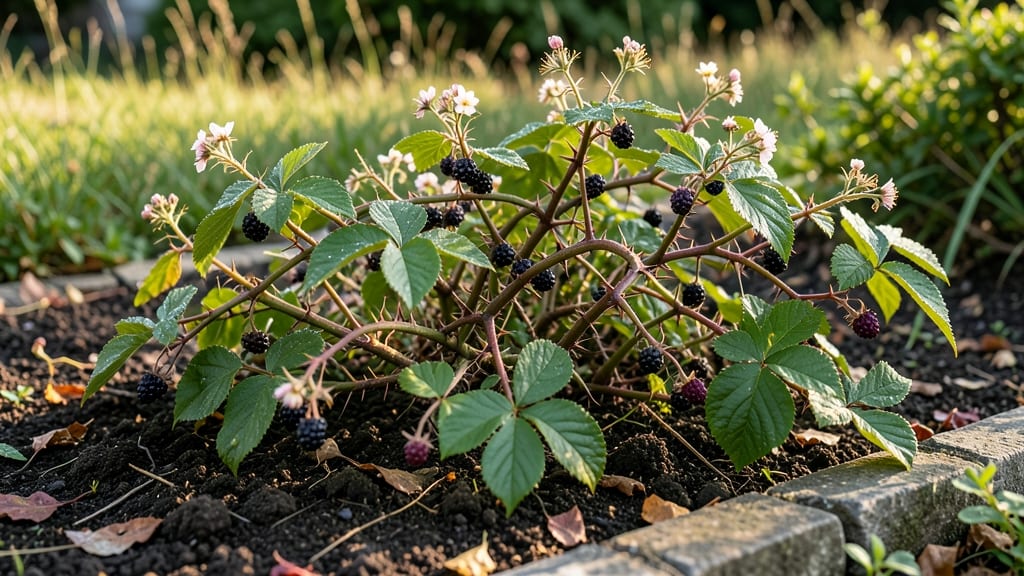
The midnight-hued blooms of wild blackberries transform any garden into a fragrant sanctuary. 🌿 These delicate, self-spreading jewels aren’t just food for wildlife—they’re the stars of pollinator-friendly borders and cottage-style gardens, where their clusters of tiny white flowers give way to glossy berries by summer.
I’ve watched bees and butterflies flock to these plants, their sweet scent lingering in the evening air. They thrive in sunny edges, along fences, or in wildflower meadows where they’ll naturalize over time. Pair them with coneflowers or lavender for a low-maintenance, high-impact display that hums with life.
The real magic? They spread without effort, filling gaps with lush canes and more blooms each year. Your garden will feel alive with movement—birds, bees, and the quiet rustle of foliage—all while requiring almost no care beyond occasional pruning.
Perfect for gardeners who love effortless beauty and want to support local ecosystems. Let’s design a corner where these fragrant blooms take center stage!
📚 In This Guide
- What you need
- Instructions
- Tips and common mistakes
- Wrapping up and next steps
What you need
- ● Blackberry plants: 1-3 thornless or wild-type blackberry plants (bare-root or potted, depending on availability).
- ● For self-spreading varieties, opt for trailing or arching types like Cheyenne or Arapaho.
- ● Planting site: Full sun (6+ hours/day) or partial shade (especially in hot climates).
- ● Well-draining soil with a pH of 5.5–6.5 (test with a soil kit if unsure).
- ● Space: 4–6 feet apart in rows (blackberries spread aggressively!).
- ○ Soil amendments (optional but recommended): 2–3 inches of compost or aged manure per planting hole.
- ● Balanced 10-10-10 fertilizer (1 tbsp per plant at planting time).
- ● Tools: Garden trowel or shovel.
- ● Pruning shears (for trimming canes post-planting).
- ● Garden gloves (thorns are no joke!).
- ● Mulch (straw or wood chips, 3–4 inches to retain moisture).
- ● Drip irrigation system or soaker hose (to keep roots consistently moist).
- ● Trellis or fence (for trailing varieties—blackberries love to climb!).
- ● Organic pest control (neem oil or insecticidal soap for aphids/mites).
- ● Blackberry-specific pruners (for cleaner cuts during maintenance).
- ● Wildflower seeds (to attract pollinators and boost bloom vibrancy!).
How to cultivate wild blackberry blooms for fragrant, self-spreading beauty
Transform your landscape into a fragrant haven with these low-maintenance, self-propagating wild blackberry blooms.
🌱 Step 1: Select and Prepare the Ideal Planting Site
Wild blackberries thrive in full sun to partial shade, with at least 6 hours of direct sunlight daily. Choose a location with well-draining soil—blackberries hate soggy roots. I always test drainage by digging a 12-inch deep hole; if water pools after 30 minutes, amend the soil with compost or sand to improve aeration.
Blackberries are aggressive spreaders, so plant them 10-15 feet from structures, driveways, or other plants you want to protect. A natural barrier like a fence or dense shrubs works well to contain their growth. Clear the area of weeds and grass, then loosen the top 6 inches of soil to encourage root establishment.
☀️ Step 2: Establish Plants for Optimal Growth
Purchase bare-root blackberry plants in early spring or fall, when they’re dormant. Soak the roots in lukewarm water for 2-3 hours before planting to rehydrate them. Dig a hole twice as wide as the root ball but only as deep as the container’s bottom—burying too deep suffocates the plant.
Spread the roots gently outward, ensuring they’re not curled or bent. Fill the hole halfway with soil, then water deeply to settle it. Backfill the rest, mounding soil slightly around the base to encourage root growth outward. Mulch with 2-3 inches of wood chips or straw, leaving a 2-inch gap around the stem to prevent rot.
💧 Step 3: Water and Fertilize for Vigorous Blooms
Water deeply twice weekly for the first month, then taper to once weekly once established. Blackberries need consistent moisture, but soggy soil invites disease. You’ll know you’re on track when the soil feels damp 2 inches below the surface but not waterlogged.
Fertilize in early spring with a balanced 10-10-10 formula, applying ½ pound per 100 square feet. Avoid high-nitrogen fertilizers—they promote leafy growth at the expense of blooms. In late summer, switch to a low-nitrogen, high-phosphorus fertilizer to encourage root development and next year’s flowers.
✂️ Step 4: Prune for Health and Abundant Blooms
Prune in late winter or early spring before new growth appears. Remove dead, diseased, or crossing canes first, cutting them back to the ground. Then, select the strongest 6-8 canes to keep—these will produce the most flowers and fruit. Thin out the rest at the base to improve airflow and reduce pest pressure.
Blackberries bloom on second-year canes, so avoid heavy pruning in the first year. As canes age, they become less productive. After fruiting, cut back old canes to the ground to make room for new growth. This keeps the plant productive and prevents overcrowding, which weakens blooms.
🌿 Step 5: Encourage Self-Spreading and Fragrant Blooms
Wild blackberries spread via underground runners and tips. To encourage this, avoid disturbing the soil around the base—roots will naturally extend outward. If you want to control spread, install a barrier 12-18 inches deep around the planting area to block runners.
Fragrant blooms thrive with light pruning after flowering. Once fruit sets, trim back any overly vigorous canes to redirect energy into next year’s blooms. Deadhead spent flowers in late summer to prevent seed formation, which diverts energy from new growth. A light application of compost tea every 4-6 weeks boosts fragrance and bloom intensity.
Tips & tricks for perfect wild blackberry blooms
Common pitfalls—and how to sidestep every one—when cultivating these fragrant, self-spreading beauties.
Site Selection Secret: That 12-inch deep hole test for drainage is non-negotiable. I learned this the hard way after planting in what I thought was well-draining soil—until my blackberries developed root rot. If water pools after 30 minutes, mix in compost or sand until you achieve that perfect crumbly texture. The roots need oxygen as much as water, and soggy conditions will smother your plants before they even bloom.
Root Rehydration Technique: The 2-3 hours of soaking bare-root plants in lukewarm water isn't just about hydration—it's about reviving those delicate root hairs that dry out during dormancy. I've seen gardeners skip this step and end up with plants that struggle for months to establish. Pro tip: Use a bucket of water with a few drops of horticultural fungicide to prevent any potential infections during this critical rehydration phase.
Pruning Precision: When selecting those strongest 6-8 canes in Step 4, look for canes that are at least pencil-thick and growing upright. Thin out any that are leaning, crossing, or showing signs of disease—these will compete with your chosen canes for nutrients. I always make my cuts at a 45-degree angle just above a bud, which helps prevent water from pooling at the cut site and causing rot.
Fragrance Booster: That compost tea every 4-6 weeks isn't just a suggestion—it's the secret to those intoxicatingly fragrant blooms. I use a fish emulsion-based compost tea because it's packed with beneficial microbes that enhance root health and flower production. Apply it in the early morning so the foliage has time to dry before evening, reducing the risk of fungal issues. The difference in bloom intensity is noticeable within just a few applications.
Pro Tips for Wild Blackberry Blooms
- Common pitfalls—and how to sidestep every one—when cultivating these fragrant, self-spreading beauties.
- Site Selection Secret: That 12-inch deep hole test for drainage is non-negotiable.
- Root Rehydration Technique: The 2-3 hours of soaking bare-root plants in lukewarm water isn't just about hydration—it's about reviving those delicate root hairs that dry out during dormancy.
Frequently asked questions
about wild blackberry blooms—because every gardener deserves clarity! Here are answers to the most common queries to help you embrace these fragrant, low-maintenance beauties.When do wild blackberry blooms appear, and how long do they last?
Wild blackberry blooms typically grace gardens in late spring to early summer (May–June in most U.S. zones), depending on your climate. The delicate white or pale pink flowers last 1–2 weeks per flush, but some varieties produce a second bloom later in summer. Early morning is the best time to admire their intoxicating scent!
Can I eat the berries from wild blackberry plants with flowers?
Yes! The berries from flowering wild blackberries are edible, but only if the plant is healthy and thriving. Avoid berries near roadsides or treated areas. Wait until the flowers fade and berries ripen to a deep purple-black color. Pro tip: Taste-test one berry first to ensure no bitterness or unusual texture.
Why aren’t my wild blackberry plants flowering this year?
Several factors can delay blooms: young plants (they need 1–2 years to mature), insufficient sunlight (they thrive in full sun), or over-fertilizing (too much nitrogen = leafy growth, no flowers). Prune old canes in late winter to encourage new, flowering growth. If the plant is established but still struggling, check for pests like spider mites or fungal issues.
How do I propagate wild blackberry blooms naturally?
Wild blackberries spread effortlessly! The easiest method is tipping: In early spring, bend a healthy cane to the ground, weigh it down with a rock, and cover the tip with soil. Roots will form in 4–6 weeks. Alternatively, layering (letting canes root while still attached) or division (separating established clumps) works well. Avoid transplanting berries—focus on the canes!
Are there non-invasive alternatives to wild blackberry blooms?
If you love the look but not the spread, try thornless blackberry varieties like ‘Cheyenne’ or ‘Natchez,’ which are less aggressive. For fragrant flowers without the berries, consider dewberries (smaller, sweeter cousins) or raspberries, though they require more pruning. Bonus: ‘Florican’ blackberry offers stunning red foliage and edible berries with minimal spread!
Are wild blackberry blooms toxic to pets or wildlife?
Blackberry blooms and berries are non-toxic to pets and wildlife, but large quantities might cause mild stomach upset in pets. Birds and bees adore them! However, avoid pesticides—they harm pollinators. If your yard is a wildlife haven, these blooms are a natural, fragrant treat for all!
Wrapping up and next steps
Wild blackberry blooms are nature’s fragrant treasures—low-maintenance, self-spreading, and bursting with beauty—that reward gardeners with lush canes, sweet berries, and vibrant color year after year.
Whether you’re drawn to their romantic allure or their practicality, these resilient plants prove that magic grows wild with just a little patience. 🌿✨
Ready to invite these midnight jewels into your space? Start small—plant a few canes, provide a sturdy trellis, and watch as they transform your garden into a thriving, self-sustaining paradise. Your next step? Grab those cuttings and let nature do the rest!