
Blooming
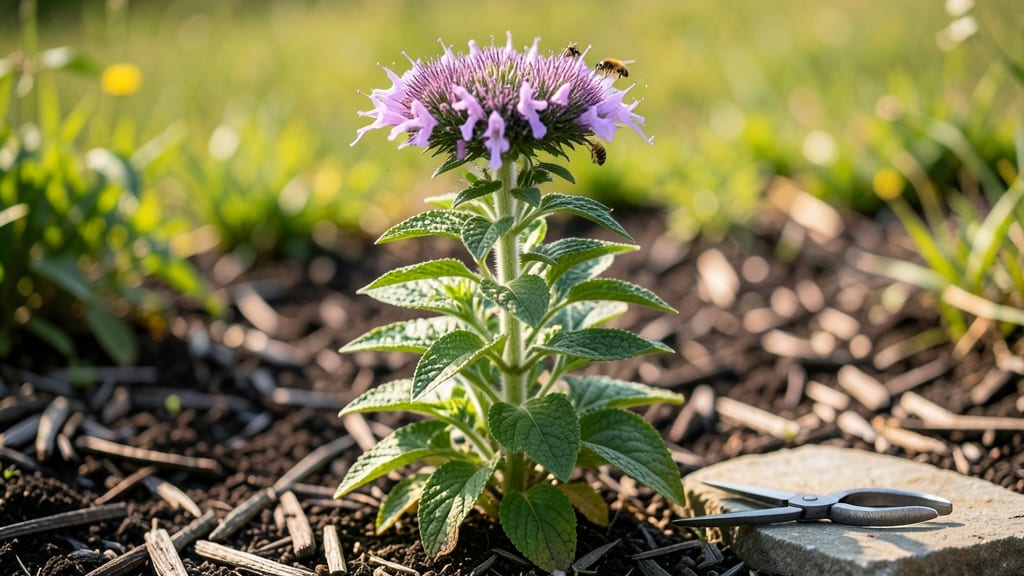
The wild bergamot bloom time arrives in mid-to-late summer, when most gardens have already faded—but this pollinator magnet thrives under the moonlight. 🌙 I’ve watched hummingbirds and moths hover over its tubular flowers at dusk, sipping nectar that smells like citrus and mint combined.
The timing varies by region: Northern gardeners see blooms in July, while Southern zones stretch the show into September.
The secret to prolonging its bloom time? Full sun and well-drained soil—it’s tougher than it looks. My wild bergamot plants in Zone 6 rebloom for weeks if I deadhead spent flowers and avoid overwatering.
Pair it with coneflowers or black-eyed Susans for a pollinator buffet that keeps bees buzzing until frost. Even in dry spells, its silvery foliage stays vibrant, making it a low-maintenance star.
What you’ll love most is how it transforms evening gardens—the fragrance lingers after sunset, and the flowers glow under porch lights. Plant it near seating areas or pathways where you can watch pollinators dance at twilight.
Just avoid rich soil; wild bergamot prefers lean conditions to stay bushy and prolific.
For extra blooms, divide clumps every 3-4 years—older plants slow down. In colder climates, a thick mulch layer protects roots through winter, ensuring next year’s show starts early. The key is patience: wild bergamot rewards gardeners who let it naturalize rather than fuss over it.
📚 In This Guide
- What you need
- Instructions
- Tips and common mistakes
- Wrapping up and next steps
What you need
- ● Wild Bergamot Seeds or Plants: Seeds: 20–50 seeds (for a small patch) or 100+ (for a full border). Choose Monarda fistulosa for classic wild bergamot.
- ● Plants: 3–5 mature plants (1–2 ft tall) for immediate blooms.
- ● Well-Draining Soil: Native soil amended with compost (1 part compost to 3 parts soil).
- ○ Optional: Perlite or sand (10–20% mix) for sandy or clay-heavy soils.
- ● Sunlight Access: Full sun (6+ hours of direct light daily).
- ● Watering Supplies: Garden hose or watering can with a fine rose nozzle (for gentle watering).
- ○ Drip irrigation kit (optional but ideal for consistent moisture).
- ● Garden Tools: Trowel or transplanting spade.
- ● Pruning shears (for deadheading or shaping).
- ● Mulch: Straw or wood chips (2–3 inches) to retain moisture and deter weeds.
- ● Pollinator-Friendly Additions: Nearby bee balm or lavender for a fragrant pollinator hub.
- ● Small birdbath or shallow dish for visiting butterflies and bees.
- ● Fertilizer: Low-nitrogen, balanced fertilizer (e.g., 5-5-5) applied lightly in early spring.
- ● Pest Deterrents: Neem oil spray (for aphids or Japanese beetles).
- ● Row covers (if planting early to protect from slugs).
How to time wild bergamot blooms for maximum pollinator visits
Here's how to align your garden with nature's schedule for those magical night-scented blooms.
🌱 Step 1: Plant in Late Spring for Ideal Summer Blooming
Wild bergamot thrives when planted after the last frost date in your zone, typically between mid-April and early May in most regions. The key is giving it 8-10 weeks of warm soil before summer's heat arrives. I always plant mine in full sun—at least 6-8 hours daily—because partial shade delays flowering by 2-3 weeks. The plant establishes roots quickly in loose, well-draining soil, so don't rush the process.
You'll know it's ready when the first basal rosette of leaves appears—this usually happens within 3-4 weeks of planting. At this stage, the plant looks like a miniature mint bush, but with a slightly fuzzy texture. This is when it starts storing energy for its big summer display.
☀️ Step 2: Provide Consistent Summer Care for Peak Flowering
Wild bergamot blooms best when given regular watering—about 1 inch per week during dry spells. The secret is keeping the soil evenly moist but never soggy. I water at the base in the early morning so the foliage dries quickly, preventing fungal issues. Too much water stresses the plant, while too little causes buds to drop before opening.
Watch for purple flower spikes forming in mid-to-late June—this is your first sign that blooming is imminent. The plant's square stems will develop clusters of tiny buds along the top third. If you notice the stems growing too leggy (over 2 feet tall), it's time to pinch back the tips to encourage bushier growth and more flower heads.
🌿 Step 3: Enjoy Nighttime Blooms with Proper Light Management
The real magic happens when you time the blooms correctly for evening pollinators. Wild bergamot typically opens its flowers late afternoon, but the fragrance peaks at dusk when moths and bats become active. To encourage this, avoid heavy pruning after mid-July—this gives the plant time to set new buds for a second flush of blooms in early fall.
You'll know you've timed it right when you see hummingbirds, bees, and butterflies hovering at golden hour. The flowers stay open until mid-morning the next day, providing a 24-hour pollinator buffet. If blooms appear sparse, try adding a balanced 10-10-10 fertilizer in early June—just a sprinkle around the base works wonders.
⏰ Step 4: Extend the Season with Strategic Care
After the first flush of blooms fades in August, cut back the spent flower stalks to just above the lowest set of leaves. This triggers a second wave of blooms that often lasts until first frost. I always leave a few stems with seed heads for winter interest—birds love the seeds, and the dried flowers add texture to winter arrangements.
To protect your plants through winter, apply a 2-inch layer of mulch around the base after the first frost. This insulates the roots while allowing water to penetrate. In spring, remove the mulch when new growth appears—usually by early April in most climates. The plant's hardy nature means it often self-seeds, so you'll likely have volunteers popping up where you least expect them.
Tips & tricks for perfect wild bergamot bloom timing
Between us, these small adjustments can transform your wild bergamot from a pretty garden plant to a nighttime pollinator magnet.
Planting Precision: When choosing your planting window between mid-April and early May, check your local frost date calendar—planting too early in colder zones risks frost damage to tender new growth. I've learned the hard way that planting in partial shade might save you afternoon sun, but it delays flowering by 2-3 weeks, pushing your peak blooms into August when pollinators are already winding down. That 6-8 hours of daily sun is non-negotiable for the fragrance timing we're aiming for.
Watering Wisdom: The "1 inch per week" guideline is perfect, but timing matters just as much. I water mine at dawn rather than evening to prevent fungal issues—wet foliage overnight is a recipe for powdery mildew. During dry spells, I actually check soil moisture by sticking my finger 2 inches deep; if it's dry, that's when I water. Too much water stresses the plant, and too little causes those delicate buds to drop before they even open.
Pruning Strategy: That pinch-back moment when stems exceed 2 feet is crucial for bushier growth. I use clean, sharp scissors to snip just above a leaf node, and I always do this in the morning when the plant is well-hydrated. The key is to prune after the first flush of blooms but before mid-July—this gives the plant time to set new buds for that magical second flush in early fall when most gardens are winding down.
Season Extension: The mulch layer is your winter secret weapon. I use straw rather than wood chips because it breaks down more evenly, and I always remove it in early April when new growth appears. The mulch keeps roots insulated while still allowing water penetration—this balance is what lets your plants bounce back so reliably each spring. And those seed heads? Don't remove them! Birds adore the seeds, and the dried flowers add beautiful texture to winter arrangements.
Pro Tips for Wild Bergamot Bloom Time
- Between us, these small adjustments can transform your wild bergamot from a pretty garden plant to a nighttime pollinator magnet.
- Planting Precision: When choosing your planting window between mid-April and early May, check your local frost date calendar—planting too early in colder zones risks frost damage to tender new growth.
- Watering Wisdom: The "1 inch per week" guideline is perfect, but timing matters just as much.
Frequently asked questions
about wild bergamot’s bloom time—because every gardener deserves clarity!When is the best time to plant wild bergamot for peak blooms?
Plant wild bergamot in early spring (March–April) or fall (September–October) for the best results. Give it time to establish roots before summer heat arrives—this ensures robust blooms from mid-to-late summer (July–September) through early fall. Choose a sunny spot with well-draining soil for optimal growth.
Why isn’t my wild bergamot blooming when it should?
If your plant is late or skipping blooms, check these common culprits:
- Insufficient sunlight: Wild bergamot thrives in full sun (6+ hours/day). Move it to a sunnier spot if needed.
- Over-fertilizing: Too much nitrogen promotes leafy growth over flowers. Use a low-phosphorus fertilizer or skip it entirely.
- Stress or drought: Ensure consistent moisture (but avoid soggy soil). Mulch helps retain moisture.
- Age: Young plants (under 2 years) may take longer to bloom. Patience pays off!
Does wild bergamot bloom at night like its name suggests?
While it’s not a true night-blooming plant, wild bergamot’s lavender-pink flowers are highly fragrant and attract night-active pollinators like moths and bats. For a moonlit effect, plant it near a light source or pair it with night-scented varieties like evening primrose or four o’clocks.
Can I extend the bloom time of wild bergamot?
Yes! To prolong blooms:
- Deadhead spent flowers regularly to encourage new growth.
- Water deeply but infrequently to avoid leggy stems.
- Prune back 1/3 of the plant after the first flush of blooms for a second wave.
- Choose drought-tolerant varieties (like Monarda fistulosa) for longer seasons.
Are there alternatives to wild bergamot for late-summer pollinators?
If wild bergamot isn’t your style, try these pollinator magnets with similar bloom times:
- Purple coneflower (Echinacea) – Drought-resistant and long-blooming.
- Black-eyed Susan (Rudbeckia) – Bright yellow blooms loved by bees.
- Butterfly weed (Asclepias tuberosa) – Native and monarch-friendly.
- Joe Pye weed (Eutrochium) – Tall, fragrant, and late-season.
Wrapping up and next steps
Wild bergamot’s enchanting late-summer to early-fall bloom isn’t just a feast for the eyes—it’s a beacon for pollinators, turning your garden into a moonlit sanctuary. 🌙 Whether you’re growing it for its intoxicating scent, vibrant purple spires, or its role in supporting bees and moths, this hardy plant rewards patience with months of effortless beauty.
Ready to invite more magic into your garden? Start by snagging seeds or cuttings and give these fragrant blooms a try—your pollinators (and your senses!) will thank you. Happy gardening! 🌸