
Blooming
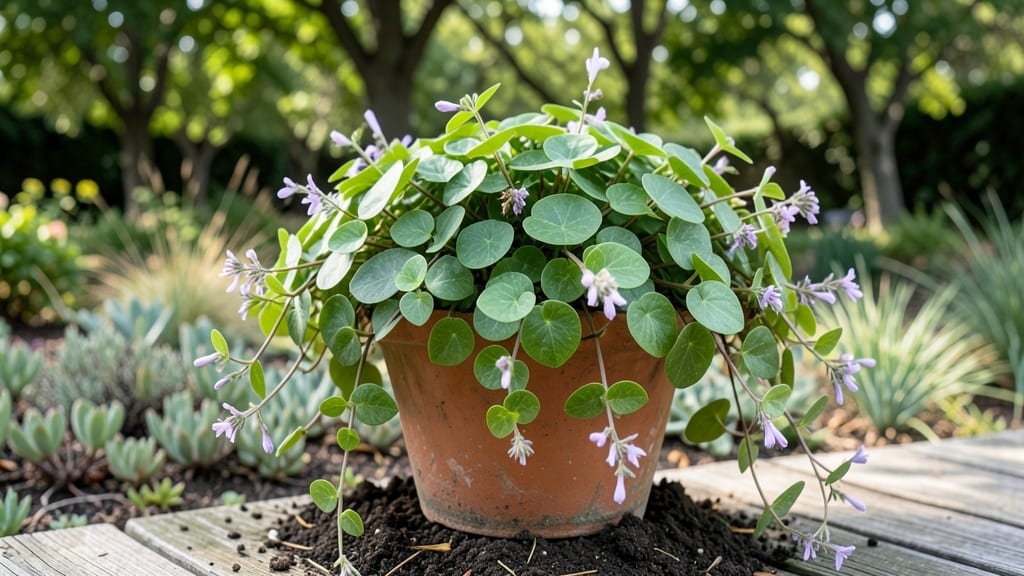
Swedish ivy blooms transform shady corners into lush, fragrant displays—even in winter’s chill. 🌿 I’ve watched mine push through snow to reveal delicate white flowers, proving this plant isn’t just cold-hardy but downright resilient. The key isn’t forcing it to bloom; it’s creating the right conditions so it wants to.
This climber thrives where others fail: dappled shade, rocky soil, or even indoor corners with indirect light. Feed it once in spring with balanced fertilizer, and you’ll see new growth—and eventually, those signature blooms—by early summer.
Prune back leggy stems after flowering to keep it compact and encourage next year’s display. By late fall, you’ll have a plant that stays green when others go dormant, its glossy leaves framing winter interest.
The flowers may be fleeting, but their fragrance lingers, turning your garden into a quiet sanctuary. Perfect for trellises, hanging baskets, or as a ground cover under trees. Works equally well outdoors or indoors, making it the ultimate low-maintenance star for shade gardens. Let’s get those blooms going!
📚 In This Guide
- What you need
- Instructions
- Tips and common mistakes
- Wrapping up and next steps
What you need
- ● Swedish ivy plants: 1–3 mature plants (for immediate blooms, opt for flowering varieties)
- ● OR 5–10 seeds (if starting from scratch; germination takes 14–21 days)
- ● Well-draining potting mix: 2–3 gallons (mix 1 part peat moss or coco coir with 1 part perlite for aeration)
- ● Containers or garden bed: For containers: 5–7" pots with drainage holes (1 plant per pot)
- ● For in-ground: Partial shade spot with humus-rich soil (amend with compost if needed)
- ○ Slow-release fertilizer: 1 tbsp (5g) balanced 10-10-10 or orgánico (optional but boosts blooms)
- ● Garden tools: Trowel or small shovel
- ● Pruning shears (for trimming leggy growth)
- ● Gloves (to protect hands from mildly irritating sap)
- ● Watering can or hose: With a gentle spray nozzle (Swedish ivy hates soggy roots!)
- ○ Mulch (optional): 1–2 inches of shredded bark or pine needles to retain moisture
- ○ Sunlight meter (optional): To confirm your spot gets 2–4 hours of dappled light daily
- ● 💡 Cold-hardy hack: If temps drop below 20°F (-7°C), cover plants with burlap or move containers to a sheltered porch.
- ● 🎯 Bloom booster: Pinch back leggy stems in early spring to encourage bushier, flower-filled growth.
Step-by-Step instructions for cultivating Swedish ivy blooms
Here’s how to grow these cold-resistant climbers with minimal fuss—perfect for shady spots.
🌱 Step 1: Choose the Right Location and Prepare the Soil
Swedish ivy thrives in partial to full shade, so pick a spot that gets 3-6 hours of dappled sunlight daily. Avoid deep shade—it’ll produce fewer blooms. Test your soil first: these plants tolerate acidic to neutral pH (5.0-7.0) but grow best in well-draining, moist (not soggy) soil. If your soil is heavy clay, mix in 2-3 inches of compost or organic matter to improve aeration.
I always dig a hole twice as wide as the root ball but only as deep. The top of the root ball should sit level with the surrounding soil—burying too deep suffocates the plant. Water the hole thoroughly before planting to settle the soil and remove air pockets.
🪴 Step 2: Plant and Stake for Support
Gently remove the plant from its container and loosen the roots if they’re circling. Place it in the hole, then backfill with soil, pressing lightly to eliminate gaps. Swedish ivy grows 4-6 feet tall but can sprawl, so install a trellis, fence, or sturdy post nearby for support. Use soft plant ties (never wire) to secure the main stems, leaving room for growth.
Water deeply right after planting to help roots establish. The soil should feel moist 2 inches down but not waterlogged. Mulch with 2-3 inches of shredded bark or wood chips to retain moisture and suppress weeds. Keep mulch 3 inches away from the stem to prevent rot.
☀️ Step 3: Water and Fertilize for Consistent Blooms
Swedish ivy is drought-tolerant once established, but new plants need consistent moisture—water once a week (or more in hot weather) until the top 2 inches of soil feel dry. Overwatering is the biggest mistake; yellowing leaves mean you’re overdoing it. I like to water early in the morning so foliage dries quickly and reduces fungal risks.
Feed lightly in early spring with a balanced, slow-release fertilizer (10-10-10) at half-strength. Too much nitrogen = lush leaves but fewer blooms. I skip fertilizer after mid-summer—these plants store enough nutrients to survive winter. If your soil is poor, a layer of compost in spring does the trick.
✂️ Step 4: Prune for Shape and Encourage More Blooms
Prune right after flowering (late summer) to shape the plant and promote bushier growth. Cut back 1/3 of the oldest stems to encourage new shoots. Remove any dead, diseased, or crossing branches—this improves airflow and prevents mildew. I never prune in fall; the plant needs foliage to store energy for winter.
Watch for leggy growth (long, bare stems). This means your plant needs more light or less fertilizer. Trim back the leggy stems by half their length to encourage compact, bushier growth. Swedish ivy blooms on new wood, so regular pruning keeps it flowering year after year.
⏰ Step 5: Winter Care for Cold-Hardy Survival
These plants handle USDA zones 3-8, but young specimens need extra protection. Once established (after 2 years), they’re tough as nails. For the first winter, mulch heavily (4-6 inches) with straw or leaves to insulate roots. Remove mulch in early spring before new growth starts.
I never prune in winter—wait until late winter or early spring when new buds form. If you see brown, crispy leaves, don’t panic; they’ll regrow in spring. The key is consistent moisture even in winter if the ground isn’t frozen. A deep watering once a month keeps roots hydrated without drowning them.
Tips & tricks for perfect Swedish ivy blooms
These simple strategies will help you coax the most vibrant blooms from your shade-loving climbers.
Light Matters: The 3-6 hours of dappled sunlight mentioned in Step 1 is non-negotiable for blooms. If your yard gets less than 3 hours, supplement with a grow light for 4-6 hours daily during spring and summer. I've seen plants in deep shade produce foliage but almost no flowers—this light requirement is what triggers blooming.
Soil Prep Secret: Before planting, mix in a handful of perlite or coarse sand into your 2-3 inches of compost. This creates tiny air pockets that prevent waterlogging while maintaining that perfect moist-but-not-soggy texture Swedish ivy craves. I've found this makes all the difference in heavy clay soils where roots can suffocate.
Pruning Timing: That late summer pruning after flowering in Step 4 is crucial for next year's blooms. Cut back to just above a leaf node where new growth will emerge. I always sterilize my pruners with rubbing alcohol between cuts to prevent spreading any fungal spores that could harm your plant's health.
Winter Moisture Strategy: For those once-a-month winter waterings, use a soil probe to check moisture 2 inches down. If it's bone dry, water until it's moist at that depth. If it's still damp, skip it—overwatering in winter is just as harmful as underwatering. I've lost plants both ways when learning this the hard way.
Pro Tips for Swedish Ivy Blooms
- These simple strategies will help you coax the most vibrant blooms from your shade-loving climbers.
- Light Matters: The 3-6 hours of dappled sunlight mentioned in Step 1 is non-negotiable for blooms.
- Soil Prep Secret: Before planting, mix in a handful of perlite or coarse sand into your 2-3 inches of compost.
Frequently asked questions
Got questions about Swedish ivy blooms? You’re not alone! Here are answers to the most common queries—from care tips to troubleshooting—to help you grow these stunning, shade-loving climbers with confidence.
When do Swedish ivy blooms typically flower?
Swedish ivy (Plectranthus coleoides) usually blooms in late spring to early summer, though timing can shift slightly depending on your climate. In cooler zones, expect flowers in June or July. With proper care (like bright, indirect light and occasional pruning), you may even see a second flush of blooms in fall!
Can Swedish ivy survive winter outdoors in cold climates?
Yes! This cold-hardy plant thrives in USDA Zones 5-9, making it perfect for snowy regions. In colder areas, mulch the base with straw or leaves to protect roots. If temperatures drop below -15°F, consider wrapping the plant in burlap or moving potted specimens indoors temporarily.
Why aren’t my Swedish ivy blooms opening?
If your plant is lush but refuses to bloom, check these fixes:
- Light: It needs bright, indirect light (east or north-facing windows are ideal).
- Pruning: Trim leggy stems in early spring to encourage bushier growth.
- Fertilizer: Use a balanced, low-nitrogen feed (like 10-10-10) when new growth starts.
- Stress: Avoid overwatering—soil should dry slightly between waterings.
What’s a good alternative if Swedish ivy blooms don’t suit my garden?
If you love shade-tolerant, cold-hardy climbers with flowers, try these:
- Clematis (Clematis spp.): Some varieties (like Clematis montana) bloom early and handle shade.
- Honeysuckle (Lonicera periclymenum): Fragrant, fast-growing, and Zone 4-hardy.
- Japanese honeysuckle (Lonicera japonica): Vigorous and drought-tolerant once established.
- Climbing hydrangea (Hydrangea petiolaris): Thrives in deep shade and produces stunning blooms.
Are Swedish ivy blooms toxic to pets or kids?
Swedish ivy is non-toxic to both pets and humans, according to the _ASPCA_. However, always monitor pets if they’re prone to munching plants—some animals may still experience mild stomach upset from chewing large amounts. Safe for curious kids too!
Pro Tip: Boost Blooms with a Simple Trick
Deadhead spent flowers regularly to encourage more blooms. Use clean pruners to snip stems just above a leaf node, and your plant will reward you with nonstop color all season!
Wrapping up and next steps
Swedish ivy (Plectranthus coleoides) is a standout shade-loving climber that brings vibrant blooms and easy-care charm to gardens—even in colder climates! 🌿 With its cold-hardy nature, striking foliage, and cheerful flowers, it’s perfect for adding texture and color to shady spots where other plants struggle.
Whether you’re a seasoned gardener or just starting out, its resilience and adaptability make it a must-try for low-maintenance beauty.
Ready to transform your garden? Start by choosing a spot with dappled shade, gathering your supplies, and giving this plant the love it deserves. Before you know it, you’ll be enjoying a lush, blooming Swedish ivy that turns heads—and maybe even inspires your neighbors to plant one too!