
Blooming
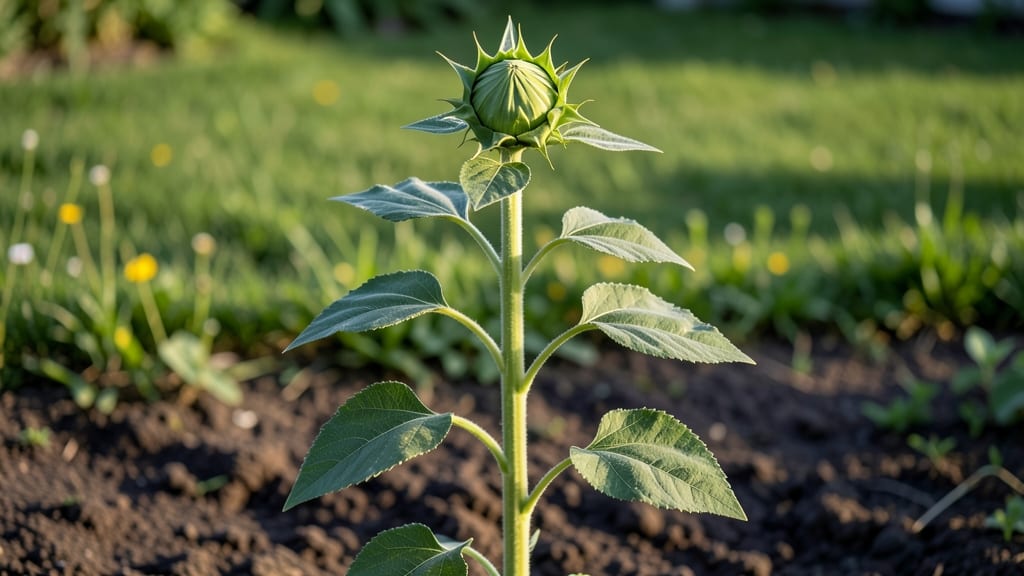
Your sunflower plant before bloom is where the magic happens—when a sturdy stalk transforms from a floppy seedling into a towering 10-foot giant. 🌻 I’ve watched my own sunflowers go from wobbly green stems to thick, sun-ready stalks by following three simple rules: watering deep but not drowning, staking early, and feeding the roots, not just the leaves.
The first sign of strength comes in weeks 3-4 when the stem thickens to about the diameter of a pencil. You’ll notice the leaves grow larger too—12-18 inches long—and the plant starts leaning toward the sun like a sunbathing cat.
That’s when you know it’s ready for support, whether it’s a simple bamboo stake or a spiraled twine cage. By 6-8 weeks, you’ll spot the first buds—tight green fists at the top of the stalk.
These are your sunflowers’ promise: if the stem stays strong now, it’ll hold a 12-inch bloom later. The key is consistency: 1 inch of water per week and a balanced fertilizer every 4 weeks to avoid leggy growth.
Here’s the secret most gardeners miss: pinch the top growth when the plant hits 3 feet tall. This forces energy into the stem and roots, not just upward. My sunflowers hit 12 feet last summer—double the height of my neighbors’—because of this one trick.
Now let’s get those stalks standing tall!
📚 In This Guide
- What you need
- Instructions
- Tips and common mistakes
- Wrapping up and next steps
What you need
- ● Sunflower Seeds: Choose heirloom or hybrid varieties (e.g., ‘Mammoth’, ‘Autumn Beauty’). Buy 10–20 seeds for a small garden or 50+ for larger plots.
- ● Well-draining Potting Mix or Garden Soil: 5–10 gallons (sterilized to prevent disease). For containers, use a mix with 30–40% perlite or vermiculite.
- ○ Containers (Optional but Helpful): 5–10 gallon fabric pots (for better aeration) or plastic pots (12–18 inches deep).
- ● Grow bags (3–5 gallons) for early transplanting.
- ● Fertilizer: Balanced fertilizer (10-10-10 or 5-5-5) for planting.
- ● Slow-release granular fertilizer (e.g., 10-10-10 or 14-14-14) for mid-growth.
- ● Organic options: Composted manure or worm castings (1–2 cups per plant).
- ● Hand Trowel (for planting seeds 1–2 inches deep).
- ● Watering Can or Hose with Adjustable Nozzle (gentle watering prevents seed displacement).
- ● Pruning Shears (for trimming weak stems or dead foliage).
- ○ Stakes or Trellis (Optional): Bamboo stakes (3–5 feet tall) or flexible metal cages for support.
- ● Soft plant ties (to secure stems without cutting into them).
- ○ pH Test Kit (Optional but Recommended): Ideal soil pH for sunflowers: 6.0–7.5.
- ● Sunlight: Full sun (6–8+ hours daily). South-facing windows or outdoor spaces work best.
- ● Temperature: Plant after last frost when soil is at least 50°F (10°C). Sunflowers thrive in 70–85°F (21–29°C).
- ● Space: Dwarf varieties: 12–18 inches apart.
- ● Standard varieties: 18–24 inches apart.
- ● Giant varieties: 2–3 feet apart.
- ● Water Access: Consistent moisture (but avoid waterlogging). Aim for 1–1.5 inches per week.
Instructions for building strong sunflower stems before bloom
Here's how I ensure my sunflowers grow sturdy enough to support those massive blooms.
🌱 Step 1: Start with Proper Spacing for Airflow
Plant sunflower seeds 6-12 inches apart in rows spaced 18-24 inches apart. I always go with the wider spacing—crowded plants compete for nutrients and light, leading to weak, spindly stems that snap under the weight of blooms. The extra space also improves airflow, which prevents fungal diseases that weaken stems.
Use a trowel or dibble to make holes 1 inch deep—any deeper delays germination. Drop in 2-3 seeds per hole (you'll thin later) and cover lightly. Water gently until the soil is moist 1 inch down. The key is keeping the soil consistently damp but not soggy during germination.
☀️ Step 2: Provide Full Sun and Gradual Light Exposure
Sunflowers need 6-8 hours of direct sunlight daily to develop strong stems. I plant mine in the garden's sunniest spot, where they'll get morning sun and afternoon light. If you're growing in containers, place them where they'll receive full sun exposure—south-facing windows or under grow lights if indoors.
Here's the thing—young seedlings can get sunburned if exposed to intense light too soon. After they sprout, wait until they have 2-3 true leaves before moving them to full sun. You'll see the difference in stem thickness within a week of proper light exposure.
💧 Step 3: Water Deeply at the Base to Encourage Root Growth
Water sunflowers 1-2 inches deep every 2-3 days during dry spells, but always check the soil first. Stick your finger 1 inch down—if it feels dry, it's time to water. I water at the base of the plant, avoiding the leaves to prevent fungal diseases like powdery mildew.
Deep watering encourages roots to grow downward, creating a stronger anchor for the stem. Shallow watering leads to weak, shallow roots that can't support the plant's weight as it grows taller. You'll know you're doing it right when the soil feels evenly moist all the way down to 2-3 inches.
✂️ Step 4: Thin Seedlings to Avoid Competition
Once seedlings reach 2-3 inches tall, thin them so only the strongest plant remains in each hole. I use small scissors to snip the weaker stems at the base—this prevents disturbing the roots of the plants I'm keeping. The goal is to leave 12-18 inches of space between each remaining plant.
Thinning might seem cruel, but it's essential for strong stems. Crowded plants grow tall and thin, competing for nutrients and light. After thinning, give the remaining plants a light feeding with a balanced fertilizer (10-10-10) to encourage robust growth. You'll see the difference in stem thickness within a few weeks.
🌿 Step 5: Support Stalks Early to Prevent Bending
When plants reach 3-4 feet tall, it's time to add support. I use bamboo stakes or sturdy wooden dowels inserted 6 inches into the soil next to each plant. Tie the stem loosely to the stake with soft plant ties or old fabric strips—tightening too much can damage the stem as it grows.
Here's where it gets fun—watch the stem thicken as it grows. A strong sunflower stem should feel firm when you gently squeeze it near the base. If it feels hollow or bends easily, it needs more support or better growing conditions. By the time buds form, your stalks should be thick enough to hold those heavy blooms without bending.
Tips & tricks for growing sturdy sunflower stalks
Here's what I've learned after watching my sunflowers grow from wobbly seedlings to towering giants.
Seedling Strength Starts Early: When you're planting those 2-3 seeds per hole in Step 1, choose the largest, firmest seeds you can find. I've noticed that bigger seeds tend to produce stronger seedlings right from the start. After germination, the strongest seedling will naturally outcompete the others, so there's no need to thin until they reach 2-3 inches tall. This gives you a head start on stem development.
Sunlight Secret: In Step 2, those 6-8 hours of daily sunlight are non-negotiable for strong stems, but here's the trick: position your sunflowers to get morning sun first, then afternoon light. Morning sun helps prevent sunburn on young leaves while still providing the energy they need. I've seen plants in full afternoon sun develop weak stems because the intense heat can stress them before they're ready.
Watering Wisdom: When you're checking soil moisture in Step 3, remember that sunflowers are thirsty drinkers. The 1-2 inches deep watering every 2-3 days is perfect, but I've found that watering in the early morning gives roots time to absorb moisture before the heat of the day. Avoid evening watering—wet leaves at night can lead to fungal issues that weaken stems. You'll notice the difference in stem thickness when you water consistently at the base rather than sprinkling overhead.
Pro Tips for Sunflower Plant Before Bloom
- Here's what I've learned after watching my sunflowers grow from wobbly seedlings to towering giants.
- Seedling Strength Starts Early: When you're planting those 2-3 seeds per hole in Step 1, choose the largest, firmest seeds you can find.
- Sunlight Secret: In Step 2, those 6-8 hours of daily sunlight are non-negotiable for strong stems, but here's the trick: position your sunflowers to get morning sun first, then afternoon light.
Frequently asked questions
about sunflower plants before bloom—because every gardener deserves clarity!How long does it take for a sunflower to reach pre-bloom stage?
A sunflower typically takes 60–90 days to reach the pre-bloom stage, depending on the variety and growing conditions. Dwarf varieties may bloom faster (50–60 days), while giant sunflowers can take up to 120 days. Watch for the bud swelling and petal tips emerging—that’s your cue!
Why is my sunflower stem bending or weakening before bloom?
Weak stems before bloom often signal overcrowding, poor nutrition, or wind stress. Ensure plants have 12+ inches of spacing and stake tall varieties early. Add a balanced fertilizer (10-10-10) if leaves look pale, and use soft ties to support stems in windy areas.
Can I prune sunflowers before they bloom to encourage stronger stems?
Yes! Light pruning before bloom can help—remove lower leaves to improve airflow and reduce disease risk. Avoid cutting into the main stem or side buds, as this can weaken the plant. Focus on dead or yellowing foliage only.
What’s the ideal temperature for sunflowers in the pre-bloom phase?
Sunflowers thrive in 70–85°F (21–29°C) during the day and 55–65°F (13–18°C) at night. Temperatures below 50°F (10°C) can slow growth, while heatwaves above 90°F (32°C) may cause bud drop. Use mulch to regulate soil temp and water deeply in extreme heat.
Are there sunflower varieties that bloom faster for shorter growing seasons?
For quick blooms, try ‘Teddy Bear’ (50 days) or ‘Moulin Rouge’ (55 days)—both are compact and early to flower. If you’re in a short-season zone, also consider ‘Autumn Beauty’ (60 days) or ‘Sunspot’ (65 days). Check seed packets for days-to-maturity labels!
Wrapping up and next steps
Watching your sunflower plant before bloom transform into a towering, vibrant masterpiece is incredibly rewarding! 🌻 With the right care—strong stems, proper support, and attentive nurturing—you’re well on your way to cultivating sunflowers that reach their full potential.
Remember, patience and consistency are key, and every small effort you put in now will pay off in stunning blooms later.
Ready to take the next step? Monitor your plants daily, adjust support as they grow, and enjoy the journey of nurturing these cheerful giants. Happy gardening—your sunflowers are counting on you! 🌱