
Blooming
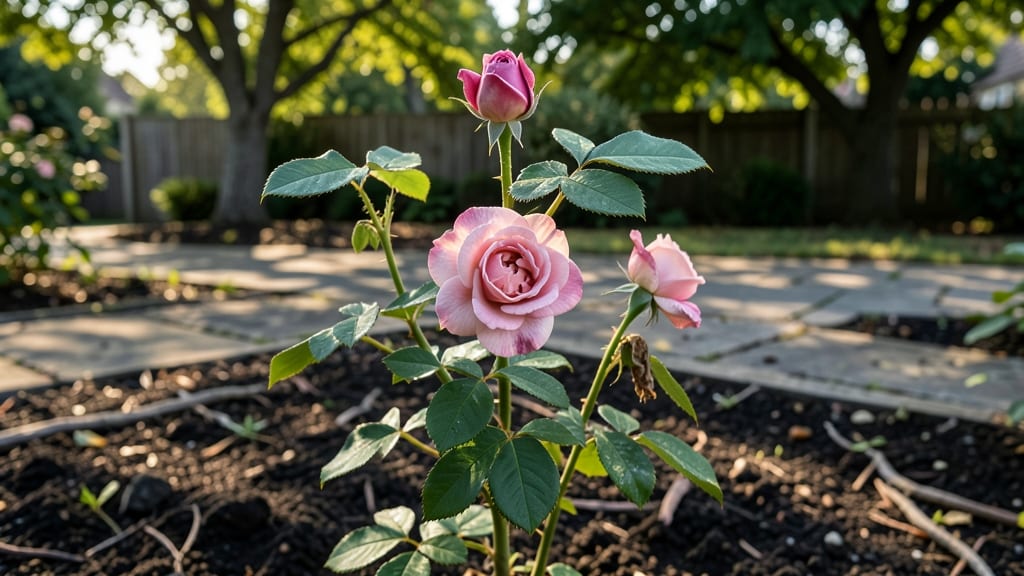
The magic of blooming flowers unfolds in five distinct stages, each with its own secrets to unlocking vibrant displays. ✨ From the first hint of a bud to the final seed dispersal, understanding these phases helps you time care, troubleshoot delays, and coax plants into their most spectacular performances.
First comes bud formation, where the plant stores energy for the big show ahead. You’ll spot tiny green bumps along stems—this is when proper sunlight and balanced nutrients make all the difference.
Next, the bud swelling stage arrives, where petals begin to take shape, often changing color as they prepare for bloom.
Then comes the full bloom, the payoff after weeks of patience—when flowers burst open in a riot of color and fragrance. This is when pollinators arrive, and you’ll want to protect blooms from pests while enjoying the show.
Afterward, the post-bloom phase signals the plant’s shift toward seed production, a quiet but essential step for next year’s garden.
Each stage responds to light, water, and temperature in its own way, so timing care right keeps the cycle going strong. Whether you’re growing annuals or perennials, these stages are your roadmap to a garden that blooms reliably year after year.
📚 In This Guide
- What you need
- Instructions
- Tips and common mistakes
- Wrapping up and next steps
What you need
- ● Healthy flower plants: Choose one or more flowering species (e.g., roses, sunflowers, or hibiscus). Pro tip: Opt for plants at the bud stage for the best observation!
- ● Garden soil or potting mix: 2–3 gallons (for potted plants) or enrich existing garden soil with compost.
- ● Watering can or spray bottle: Ensure even moisture without over-saturating.
- ● Fertilizer (balanced or bloom-specific): 10-10-10 NPK ratio (or organic alternatives like compost tea).
- ● Pruning shears: Small, sharp pair for trimming dead leaves or spent blooms.
- ● Notebook & pen: To log daily observations (dates, weather, growth notes).
- ● Camera or smartphone: For capturing each stage of blooming in progress.
- ● Growth chart or ruler: Measure bud/flower size daily (e.g., 1-inch increments).
- ● pH testing kit: Ensure soil pH is ideal (e.g., 6.0–7.0 for most flowers).
- ● Grow lights (LED or fluorescent): 12–16 hours/day for indoor plants.
- ● Humidity tray: Place under pots to mimic natural moisture levels.
- ● Plant labels: Mark varieties and planting dates for tracking.
Understanding the stages of a blooming flower: what to watch for
Here's how flowers transform from tight buds to vibrant blooms—and how to recognize each stage.
🌱 Step 1: Bud Formation – The Prep Phase
This stage starts when the plant shifts energy from leaves to flower development. You'll notice small, hard bumps forming at the stem's nodes—these are future blooms. The buds feel firm to the touch and may appear green or slightly colored, depending on the flower type. For example, roses develop tiny, tightly closed buds that resemble miniature versions of the final bloom.
This phase requires consistent moisture but less frequent watering than leafy growth. Overwatering now can cause buds to swell unevenly or split. Instead, water deeply every 5-7 days until the top 2 inches of soil feel dry. Look for buds that look plump and upright—they're ready for the next stage.
☀️ Step 2: Bud Swelling – The Growth Push
When buds begin to soften and enlarge, you're in the swelling stage. The outer layers will start separating slightly, revealing hints of the flower's true color underneath. For instance, peony buds may turn from green to a pale pink hue, while snapdragons develop elongated, cone-like shapes. This stage lasts 7-14 days, depending on the plant and weather.
Here's the thing—temperature matters most now. Most flowers need 60-75°F days and 50-60°F nights for proper swelling. If nights dip below 45°F, buds may fail to open or develop poorly. Watch for buds that feel slightly spongy when gently squeezed—they're ready to break open.
🌿 Step 3: Bud Break – The Color Reveal
Bud break is the magical moment when petals begin to separate. You'll see the first sliver of color emerge, often starting at the edges. For example, hydrangea buds may crack open to reveal tiny blue or pink petals, while lilies push back layers like a curtain. This stage moves quickly—sometimes within 24-48 hours—so keep an eye on your plants.
Don't disturb the plant during this phase. Even a gentle breeze can damage emerging petals. If rain is forecasted, consider providing temporary shade to protect delicate blooms. You'll know buds are fully open when petals are fully unfurled and facing outward—this is when they're most fragrant and vibrant.
⏰ Step 4: Full Bloom – The Peak Moment
When all petals are fully open and the flower displays its mature color, it's reached full bloom. This is the stage most people associate with flowers—bright colors, sweet scents, and the peak of the plant's energy. For instance, sunflowers may take 10-14 days from bud formation to full bloom, while zinnias often bloom within 6-8 weeks of planting.
This is also when flowers are most attractive to pollinators. If you're growing for pollination, ensure blooms are accessible to bees and butterflies. Water lightly at the base to keep soil moist but avoid wetting petals—this can shorten the bloom time. You'll know a flower is at its peak when it's fully open, symmetrical, and emitting its strongest fragrance.
🌸 Step 5: Bloom Decline – The Wind-Down
After full bloom, flowers begin to decline. Petals may droop or curl at the edges, and colors can fade slightly. This stage is natural—it signals the plant is shifting energy back to roots or preparing for seed production. For example, roses may drop petals one by one, while dahlias develop a woody center as they age.
Here's what to do: Remove spent blooms (deadheading) to encourage new flowers. Cut stems just above a leaf node or bud to promote side shoots. If you're growing annuals, this stage may repeat multiple times throughout the season. Watch for buds forming at the base of the plant—they're preparing for the next bloom cycle.
Tips & tricks for perfect flower blooming stages
Here's what nobody tells you about helping your flowers bloom beautifully—these are the little details that make all the difference.
Temperature Matters: During the critical 7-14 day swelling stage (Step 2), create ideal conditions by placing your plants near a sunny window or using a small greenhouse light if nights dip below 50°F. I've seen buds fail to open properly when temperatures drop below 45°F—even for just one night. Consider using a small space heater with a thermostat set to maintain those perfect nighttime temps of 50-60°F.
Visual Cues for Timing: In Step 3 (bud break), the 24-48 hour window moves quickly! Watch for the telltale "V" shape forming at the bud's tip—this is your signal that petals are about to emerge. For roses specifically, look for the bud to develop a slight sheen, indicating moisture buildup that triggers opening. This visual cue helps you anticipate the perfect moment for photography or harvesting.
Protecting Delicate Blooms: When you notice buds starting to break open (Step 3), protect them from wind and rain by temporarily covering with lightweight fabric or mesh. I use old sheer curtains tied loosely around plants during forecasted storms—this prevents petal damage while still allowing airflow. Remember, even gentle breezes can cause emerging petals to curl or tear.
Deadheading Technique: In Step 5 (bloom decline), when removing spent blooms, always cut just above a leaf node or bud, not at a joint. This encourages new flower production from the base. I've seen gardeners accidentally cut into the main stem, which can stunt future growth. Use clean, sharp pruners to make clean cuts that won't damage the plant.
Pro Tips for Stages Of A Blooming Flower
- Here's what nobody tells you about helping your flowers bloom beautifully—these are the little details that make all the difference.
- Temperature Matters: During the critical 7-14 day swelling stage (Step 2), create ideal conditions by placing your plants near a sunny window or using a small greenhouse light if nights dip below 50°F.
- Visual Cues for Timing: In Step 3 (bud break), the 24-48 hour window moves quickly!
Frequently asked questions
Got questions about watching a flower bloom from bud to full glory? Here are some of the most common ones—and their answers—to help you track progress like a pro!
How long does it take for a flower to go from bud to bloom?
The timeline varies by species! Annuals like marigolds may bloom in 4-6 weeks, while perennials (e.g., roses) can take 6-12 weeks or longer. Tropical flowers like orchids might take months to open. Check your plant’s care tag for specifics!
What’s the best way to speed up blooming?
Boost blooming by ensuring your flower gets 6-8 hours of sunlight daily, balanced fertilizer (high in phosphorus), and consistent watering. Prune dead blooms to encourage new growth, and avoid overwatering—root rot can stall progress. Patience helps, but optimal conditions make a difference!
Why isn’t my flower bud opening? Troubleshooting tips?
Bud drop or failure to open often signals stress. Check for pests (aphids, spider mites), under/overwatering, or temperature swings. Move your plant to a stable, sunny spot and adjust care. Some flowers (like hydrangeas) need cool nights to trigger blooms—research your type!
Can I force a flower to bloom out of season?
Yes! For indoor plants, use grow lights (12-14 hours/day) and a cool nighttime temp (50-60°F). Outdoor plants may need seasonal adjustments—like moving potted flowers to a shaded area in summer. Just avoid drastic changes, or you might shock the plant!
What’s the difference between a flower bud and a seed pod?
Easy to confuse! A bud is a tight, undeveloped flower (often green or colored) that will bloom. A seed pod is dry, swollen, and splits open to release seeds—it’s the post-bloom stage. If yours looks like a tiny balloon, it’s likely a pod (time to harvest seeds or let nature take its course!).
Wrapping up and next steps
From the tight bud to the full bloom, each stage of a flower’s journey is a testament to nature’s precision—and your nurturing touch! 🌸 Understanding these phases helps you accelerate growth, troubleshoot issues, and celebrate the magic of blooming.
Whether you’re a gardening novice or a seasoned green thumb, these insights make every petal a victory.
Ready to watch your garden thrive? Start by selecting the perfect flowers for your climate and tracking their progress with a simple journal. Every bloom begins with a single seed—yours could be next!