
Blooming
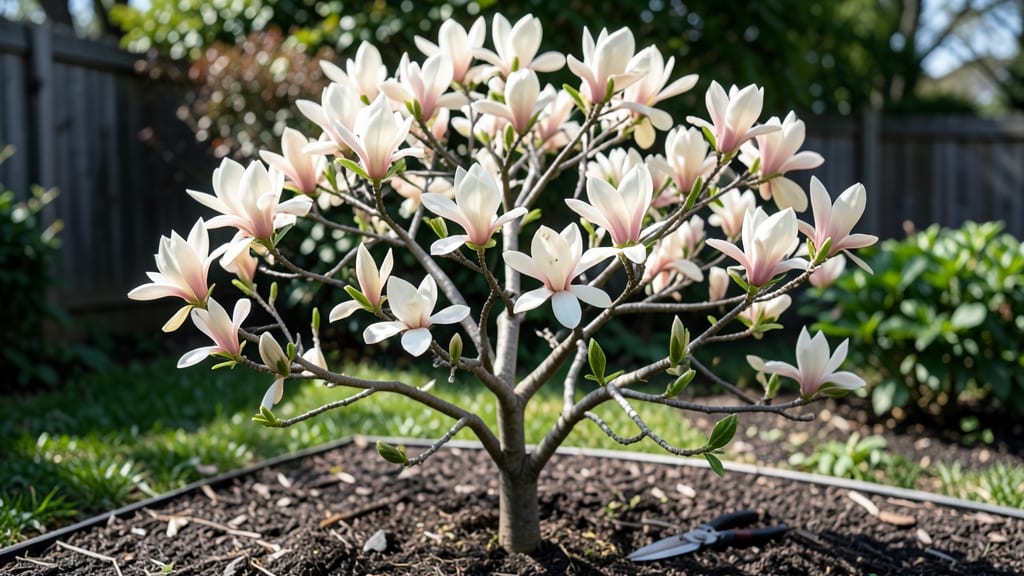
Spring in full bloom transforms your garden into a fragrant paradise—where lavender’s purple spikes and peonies’ lush petals create a showstopping display. 🌸 I’ve learned the secret to extending this magic: timing pruning, fertilizing right, and protecting blooms from late frosts.
The payoff? Months of vibrant color and intoxicating scents that make your yard the envy of the neighborhood.
Peonies thrive when planted in early spring, while lavender prefers established roots before blooming. A light layer of compost and regular watering (but never soggy soil) keeps them both flourishing.
Prune dead foliage in late winter, but wait until after blooms fade to trim back peonies—this ensures next year’s flowers will be even more spectacular.
By late May, your garden will burst with color, and you’ll have enough cut flowers for bouquets that last a week in a vase. The secret? Harvest peonies in the morning when petals are fully open, and bundle lavender stems immediately after picking to preserve their fragrance.
Every snip brings fresh blooms, turning your garden into a never-ending spring wonderland.
This isn’t just about beauty—it’s about creating a haven for pollinators too. Planting companion flowers like catmint or bee balm alongside your lavender and peonies turns your yard into a buzzing, blooming ecosystem. The best part? These plants come back year after year, making your spring magic last for decades.
📚 In This Guide
- What you need
- Instructions
- Tips and common mistakes
- Wrapping up and next steps
What you need
- ● Fresh-cut flowers: 1 bunch lavender (10-15 stems, 6-8" long) – choose mid-bloom sprigs for fragrance and texture.
- ● 3-5 peonies (mixed colors, large blooms) – opt for fully opened buds for drama.
- ● 6-8 filler flowers (e.g., ranunculus, sweet peas, or baby’s breath) – adds volume and softness.
- ● Greenery & accents: 1-2 stems eucalyptus (silver or green) – for a fresh, aromatic touch.
- ● 3-4 stems salal or hypericum berries – adds pops of color and contrast.
- ● Floral tools: 1 pair sharp floral shears (or clean kitchen scissors in a pinch).
- ● 1 bucket of water (large enough to submerge stems).
- ● Arrangement essentials: 1 clear glass vase (12-16" tall, wide-mouthed for peonies).
- ● 1 floral preservative (e.g., Chrysal Clear or homemade sugar + bleach mix).
- ○ 1 roll floral tape (optional, for securing stems).
- ○ 1 chicken wire or floral frog (optional, for prepping the vase).
- ● ✨ Peony hack: Trim stems at a 45-degree angle and soak in warm water for 10 minutes to soften.
- ● 🌡️ Lavender care: Use cool water to preserve its fragrance—hot water dulls the scent!
- ● 🎯 Vase prep: Clean thoroughly and add preservative before arranging to extend bloom life.
Step-by-Step instructions for crafting a fragrant lavender and peony bouquet
Here’s how to create a showstopping spring bouquet that lasts for weeks.
🌿 Step 1: Select and Prepare Your Flowers
Start with 4-6 stems of peonies and 6-8 stems of lavender—this balance gives you lush volume and intoxicating fragrance. Cut peony stems at a 45-degree angle just as the buds begin to swell but before they fully open. This ensures they’ll bloom in your vase. For lavender, snip stems when half the buds are open, so they’ll continue blooming gradually.
Real talk: Don’t skip the angle cut. A straight cut seals the stem, blocking water uptake. You’ll see stems last longer and stay fresher when you do this right. Strip the lower leaves from both types of stems—these will rot underwater and shorten your bouquet’s life.
☀️ Step 2: Condition the Stems for Maximum Freshness
Fill a clean bucket with lukewarm water and add 1 teaspoon of bleach (this prevents bacterial growth) plus 1 tablespoon of floral preservative if you have it. Submerge the cut stems and let them soak for at least 30 minutes. This hydrates the flowers and removes any air bubbles that could block water uptake.
While they soak, check the water level in your vase—it should be deep enough to submerge at least 3 inches of each stem. A shallow vase will cause stems to dry out faster. I like to use a clear glass vase so I can monitor water levels easily.
🪴 Step 3: Arrange the Peonies as Your Foundation
Place 3 peony stems in the vase first, spacing them evenly around the base. Arrange them in a triangular formation—this creates a natural, balanced look. Let the stems fan out slightly, then adjust the stems so the buds point outward. You want the heaviest stems at the back and sides to support the lighter lavender later.
Here’s the thing—peony blooms are top-heavy. If you see a stem leaning too far one way, gently wrap it with floral tape or twist it around another stem for support. This keeps everything upright while you add the lavender.
🌱 Step 4: Weave in the Lavender for Texture and Scent
Add the lavender stems one at a time, tucking them between the peonies. Let half the lavender stems lean toward the front of the arrangement and the other half toward the back. This creates depth and lets the fragrance waft outward. Trim any lavender stems that are too long to keep the bouquet compact.
Watch the color contrast—purple lavender against peony’s soft pink or white creates a stunning visual. If your lavender is particularly fragrant, place the vase in a spot where you’ll enjoy the scent daily. The aroma peaks in the morning, so arrange your space accordingly.
⏰ Step 5: Maintain Your Bouquet for Long-Lasting Beauty
Change the water every 2 days and recut the stems at a fresh 45-degree angle each time. Add another teaspoon of bleach and a fresh floral preservative to the water when you refresh it. This keeps bacteria at bay and extends the bouquet’s life to at least 10-14 days.
Keep the bouquet away from direct sunlight and drafts—both can cause flowers to wilt faster. If you notice the lavender drooping, trim the stems again and place the vase in a cooler spot. Peonies are forgiving, but lavender wilts quickly when stressed. A little attention goes a long way here.
Tips & tricks for perfect spring bouquets
These little details make all the difference between a bouquet that lasts a week and one that wows for two.
Stem Freshness Matters: After cutting your stems, place them immediately in a bucket of lukewarm water—never let them sit dry. I've ruined bouquets by leaving stems out for even 10 minutes before conditioning. The 30-minute soak isn't just about hydration; it's about giving those stems a proper drink after the stress of cutting. For extra insurance, add a few ice cubes to the conditioning water—this keeps stems cool while they hydrate.
Vase Depth is Critical: That 3-inch stem submersion rule in Step 2 isn't arbitrary. Shallow water means stems dry out faster, especially with heavy peonies. I use a clear glass vase so I can see the water level—if it drops below 3 inches, I top it off immediately. For extra stability, add a few pebbles to the vase bottom before adding water. This creates a platform for stems and prevents them from sliding around.
Color Placement Creates Drama: The lavender-peony contrast works best when you strategically place colors. Start with the darkest lavender stems at the back of the arrangement—this creates depth and makes the peonies pop. For a romantic look, position one peony slightly off-center as the focal point. The human eye naturally follows the largest bloom first, so let that guide your arrangement.
Morning Care is Key: Lavender releases its most intense fragrance in the morning, so that's when you should refresh your bouquet. Trim stems and change water every 2 days, but do it first thing in the morning. This gives the lavender's scent maximum time to develop before evening. Keep your vase in a spot where you'll pass by it often—this way, you'll notice when stems need trimming before they wilt.
Pro Tips for Spring In Full Bloom
- These little details make all the difference between a bouquet that lasts a week and one that wows for two.
- Stem Freshness Matters: After cutting your stems, place them immediately in a bucket of lukewarm water—never let them sit dry.
- Vase Depth is Critical: That 3-inch stem submersion rule in Step 2 isn't arbitrary.
Frequently asked questions
When is the best time to harvest lavender and peonies for bouquets?
For lavender, pick buds just as they begin to open () for the strongest fragrance and longest vase life. Peonies should be harvested when their buds are almost fully open but still firm—usually mid-to-late spring, depending on your climate. Morning harvests yield the freshest blooms!
How do I keep my lavender and peony bouquet fresh longer?
Trim stems at an angle () and place them in lukewarm water with a drop of bleach or flower food. Change the water every 2–3 days, and avoid direct sunlight. For lavender, a dry arrangement in a vase with sand works too!
Can I mix lavender and peonies with other flowers?
Pair lavender with roses, eucalyptus, or ranunculus for a romantic vibe (), or add daisies and snapdragons for a whimsical garden feel. Just avoid heavy blooms like hydrangeas—they’ll weigh down the delicate stems.
What if my bouquet wilts too fast?
Wilting can happen if stems are too old or the water isn’t fresh. Try recutting stems under water () and adding a pinch of sugar or a flower preservative. Also, avoid overcrowding—give each bloom room to breathe!
How do I store unused blooms for later use?
Wrap stems in damp paper towels, place in a plastic bag, and refrigerate (). For lavender, dry bundles upside-down in a dark, airy space. Peonies can be frozen in a mix of water and glycerin for up to 2 weeks—just thaw before arranging!
Wrapping up and next steps
Spring in full bloom isn’t just a fleeting moment—it’s a celebration of nature’s artistry, and your lavender-peony bouquet is the perfect way to capture it.
Whether you’re gifting joy, brightening your own space, or simply savoring the season’s beauty, these fragrant creations are a timeless way to embrace the magic of spring. 🌸
Now, take that inspiration and let your creativity bloom! Experiment with colors, textures, or even add a personal touch like a handwritten note.
- 💡 Next step: Share your masterpiece with someone who deserves a little springtime cheer—or treat yourself to a bouquet that lasts longer than the season!