
Blooming
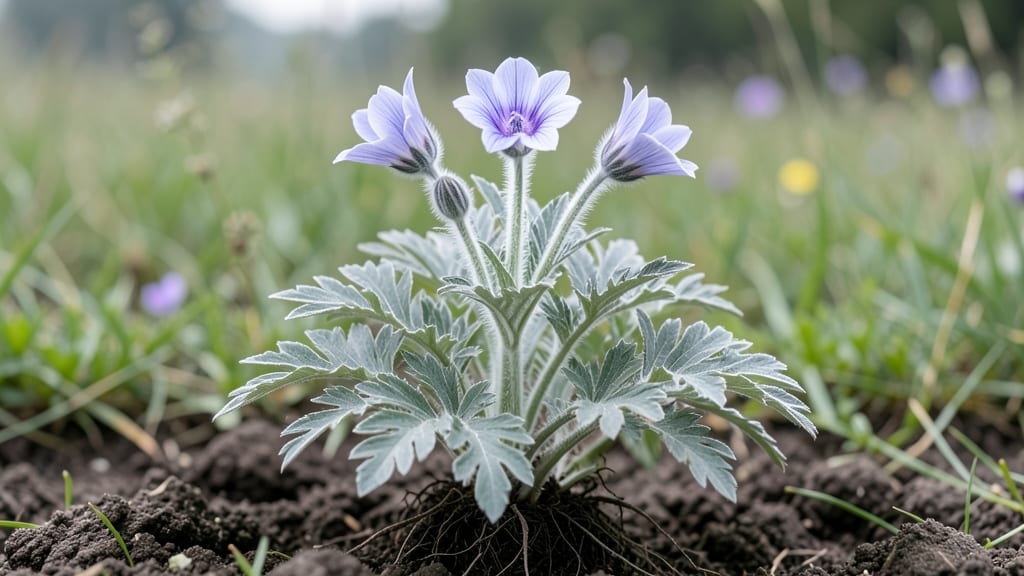
Spring blooming perennials bring color back to your garden after winter’s gray haze—without the fuss. 🌸 I’ve grown the same cold-hardy rebloomers for years, and they’ve taught me that the best perennials don’t just survive spring—they thrive on almost no effort once established.
The secret lies in choosing varieties that push through frost, resist pests, and reward you with weeks (sometimes months) of blooms before summer even begins.
Think peonies with their lush, velvety petals, daffodils that multiply like wildfire, or coneflowers that keep flowering long after most annuals have faded. These aren’t high-maintenance divas—they’re the reliable workhorses of the garden.
Most need just 6-8 hours of sun, well-draining soil, and a single spring feeding to perform for decades. And the best part? Many rebloom in fall too, giving you double the impact for the same work.
By late spring, your garden will be a riot of color with minimal upkeep—no deadheading required for some varieties, no weekly watering once roots establish. The key is planting at the right time (early fall or early spring, depending on your zone) and letting them naturalize.
You’ll end up with a garden that looks like it belongs in a magazine, but with less than an hour of work per month once they’re settled in.
Works in every climate zone from 3 to 9, though cooler regions get the most reliable early blooms. Here’s how to pick the perfect mix for your yard—and keep them coming back year after year.
📚 In This Guide
- What you need
- Instructions
- Tips and common mistakes
- Wrapping up and next steps
What you need
- ● Spring-blooming perennial plants: Choose from 5–10 varieties (e.g., Peony, Bleeding Heart, Columbine, or Lavender). Select cold-hardy zones 3–8 for best results.
- ● High-quality potting soil: 2–3 cubic feet (or enough to fill your planting area). Use a well-draining mix with compost.
- ● Organic mulch: 1–2 inches (e.g., shredded bark or straw) to retain moisture and suppress weeds.
- ● Slow-release fertilizer: 10–20 lbs (e.g., 10-10-10 or organic options like fish emulsion).
- ● Garden trowel or transplant spade (for digging holes 1.5x wider than the root ball).
- ● Garden gloves (to protect hands from thorns or rough soil).
- ● Watering can or hose with a gentle spray nozzle (for deep watering 1–2 times per week).
- ● Pruners or shears (for deadheading spent blooms and shaping plants).
- ● Measuring tape or ruler (to ensure proper spacing—12–36 inches apart, depending on the plant).
- ● Plant supports (e.g., stakes or cages for tall perennials like Delphinium).
- ● Compost tea or liquid fertilizer (for a nutrient boost during active growth).
- ● Garden markers (to label plants and track varieties).
- ● Rain gauge or moisture meter (to monitor soil hydration).
Step-by-step instructions for planting cold-hardy spring rebloomers
Here’s how to establish a low-maintenance perennial garden that bursts into color every spring—no fuss, just beauty.
🌱 Step 1: Choose the Right Cold-Hardy Varieties
Pick perennials rated for your USDA zone that thrive in spring’s unpredictable weather. My top picks for reblooming ease are peony (zones 3-8), coral bells (zones 3-9), and catmint (zones 3-8)—all of which return reliably after winter. Avoid tender annuals like pansies; they’ll bolt with the first real heat.
Look for established plants with multiple buds already forming at the base. These indicate strong root systems ready to bounce back after dormancy. If buying bare-root, soak roots in water for 2-3 hours before planting to rehydrate them—this jumpstarts growth.
☀️ Step 2: Plant in Well-Draining Soil with Full Sun
Spring bloomers need 6+ hours of sunlight daily—morning sun is ideal to prevent afternoon wilting. Amend heavy clay soil with 2-3 inches of compost mixed into the top 12 inches of soil. I dig a hole twice as wide as the root ball but only as deep as the top of the roots to prevent burying the crown.
Space plants 18-24 inches apart for air circulation (crowding invites fungal diseases). Water deeply right after planting to settle soil around roots, then let the top 2 inches dry out before watering again. Overwatering now stresses young roots still adjusting to their new home.
💧 Step 3: Mulch and Water Strategically for Spring Growth
Spread 2-3 inches of mulch (straw or shredded bark) around each plant, keeping it 2 inches away from stems to prevent rot. Mulch insulates roots from spring frost while retaining moisture. Water deeply once a week during dry spells—aim for 1 inch total—but reduce frequency as temperatures rise.
Watch for new shoots emerging in 4-6 weeks. Once they reach 3-4 inches tall, fertilize lightly with a balanced 10-10-10 formula. Too much nitrogen now encourages leafy growth at the expense of next year’s blooms. I always hold off until after the first flush of flowers fades.
✂️ Step 4: Deadhead and Prune for Next Season’s Blooms
After flowers fade, snip spent blooms back to the nearest set of leaves (not bare wood). This redirects energy to root growth for next spring’s rebloom. For peonies, I wait until after the first frost to cut back stems—it protects the plant from late-season diseases.
In early fall, apply a 2-inch layer of mulch to insulate roots through winter. This protects against freeze-thaw cycles that can heave plants out of the ground. Label your plants now—spring’s rush makes it easy to forget which variety is which!
Tips & tricks for perfect spring blooming perennials
These game-changing tips will help your cold-hardy perennials thrive with minimal effort—and keep coming back year after year.
Root Revival: That 2-3 hour soak for bare-root plants is non-negotiable! I learned this the hard way after planting dried-out roots that struggled for weeks. Fill a bucket with water and let roots absorb moisture until they feel plump and flexible. This jumpstarts growth and gives your plants a fighting chance against spring's unpredictable weather.
Soil Science: The 2-3 inches of compost mixed into the top 12 inches of soil isn't just about nutrients—it's about creating the perfect crumbly texture that mimics a forest floor. I like to add a handful of worm castings too (optional) for an extra boost of microbial activity that helps roots establish faster. Think of it as giving your plants a probiotic!
Sunlight Strategy: When the instructions mention 6+ hours of sunlight, I always aim for morning sun specifically. Afternoon sun can be too intense, especially during spring's temperature swings. If you notice leaves wilting in the afternoon, try moving plants to a slightly shadier spot—just don't drop below 4 hours of sun or you'll sacrifice those gorgeous blooms.
Deadheading Discipline: The key to reblooming success is that snip spent blooms back to the nearest set of leaves—not bare wood. This might seem counterintuitive, but it forces the plant to redirect energy downward where it belongs. For catmint, I even leave a few old flower stems for winter interest, but remove the rest promptly. The earlier you deadhead, the sooner you'll get that second flush of blooms!
Pro Tips for Spring Blooming Perennials
- These game-changing tips will help your cold-hardy perennials thrive with minimal effort—and keep coming back year af...
- Root Revival: That 2-3 hour soak for bare-root plants is non-negotiable! I learned this the hard way after planting d...
- Soil Science: The 2-3 inches of compost mixed into the top 12 inches of soil isn't just about nutrients—it's about cr...
Frequently asked questions
Got questions about spring blooming perennials? You’re not alone! Here are some of the most common queries—and their simple, practical answers—to help you grow a stunning, low-maintenance garden.
When is the best time to plant spring blooming perennials?
Plant them in early spring (as soon as the ground is workable) or early fall (6-8 weeks before your first frost). This gives roots time to establish before extreme heat or cold. For container plants, you can even tuck them in during mild winter months in frost-free zones!
Are these perennials truly cold-hardy?
Yes! Most spring bloomers, like peony, columbine, and bleeding heart, thrive in USDA zones 3-8 (or lower). Check the specific variety’s hardiness zone—some, like lupine, handle zones 4-9. Mulch lightly in winter to protect tender roots if your climate dips below 10°F.
How do I keep them blooming year after year with minimal care?
Focus on three key habits:
- Deadhead spent blooms (but leave seed heads for winter interest!).
- Avoid over-fertilizing—most prefer lean soil. A light layer of compost in early spring is enough.
- Water deeply but infrequently once established (1 inch per week).
What if my perennials aren’t reblooming?
Reblooming can fizzle due to overcrowding, too much shade, or poor soil. Try:
- Thinning out plants in early spring.
- Ensuring 6+ hours of sunlight (check your plant’s needs!).
- Amending soil with organic matter if it’s heavy or compacted.
What’s a great low-maintenance alternative if I hate deadheading?
Try self-cleaning perennials like:
These drop petals naturally and still pack a punch!
Wrapping up and next steps
Spring blooming perennials are the perfect way to bring vibrant color and joy to your garden with minimal fuss! 🌸 From cold-hardy rebloomers like daffodils and peonies to low-maintenance favorites like coneflowers, these plants thrive with just a little care.
Whether you're a seasoned gardener or just starting out, adding these beauties to your landscape will reward you with season after season of stunning blooms.
Ready to transform your outdoor space? Start small—pick one or two perennials to plant this spring, and watch your garden flourish! 🌱 For even more inspiration, explore our planting guides or join a local gardening group to share tips with fellow enthusiasts.