
Blooming
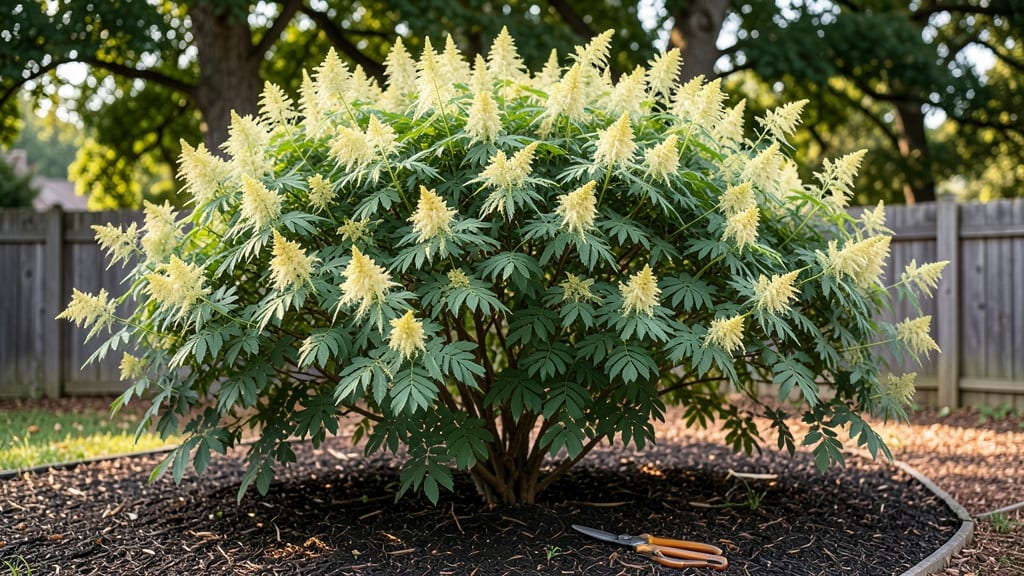
Nothing says "summer magic" like smoke trees bursting into those ethereal purple puffballs that seem to float above the garden. 🌿 I’ve watched mine transform my yard from ordinary to extraordinary—each bloom season more spectacular than the last, with foliage that shifts from lime green to fiery orange by autumn.
The real secret to their show-stopping display isn’t complicated: plant them where they’ll get full sun to partial shade, and they’ll reward you with blooms from late spring through summer**.
Pair them with lavender for fragrance or ornamental grasses for movement, and suddenly, your garden has a centerpiece that feels like a secret. What you’ll end up with is a plant that demands attention without demanding work—drought-tolerant once established, deer-resistant, and adaptable to almost any soil.
The blooms alone make it worth the space, but the foliage’s seasonal color changes keep it interesting year-round. Perfect for focal points, mixed borders, or even as a standalone statement tree. Here’s how to make the most of their natural beauty in your design.
📚 In This Guide
- What you need
- Instructions
- Tips and common mistakes
- Wrapping up and next steps
What you need
- ● Smoke tree (Cotinus spp.): Seedlings or rooted cuttings (e.g., Cotinus coggygria ‘Royal Purple’ or Cotinus obovatus)
- ○ Optional: Grafted varieties for faster blooms (check local nurseries for fragrant cultivars).
- ● Well-draining soil: Mix of 50% garden soil, 30% compost, and 20% perlite/sand (pH 6.0–7.5).
- ● Test soil with a pH kit to avoid alkaline issues (smoke trees hate soggy roots!).
- ● Sunlight: Full sun (6+ hours daily) or partial shade (for hot climates).
- ● Watering can or hose with a fine mist nozzle (for tender seedlings).
- ● Garden tools: Trowel or transplant spade
- ● Pruning shears (sterilized with 70% isopropyl alcohol)
- ○ Optional: Root stimulator gel (for cuttings) or mycorrhizal fungi (boosts growth).
- ● Container or planting site: For potted smoke trees: 15–20 gallon container with drainage holes.
- ● For in-ground planting: Space 10–15 feet apart (they grow 10–20 ft wide!).
- ● Fertilizer: Balanced 10-10-10 (spring) or slow-release organic (e.g., worm castings).
- ● Avoid high-nitrogen fertilizers (promotes leafy growth over blooms).
- ● Mulch: 2–3 inches of wood chips or pine straw (retains moisture, suppresses weeds).
- ● Hardiness zones: 4–9 (check your zone here).
- ● Best planting time: Seeds: Start indoors 8–10 weeks before last frost.
- ● Cuttings: Late spring or early summer (when new growth is firm).
- ● Nursery plants: Fall or early spring (avoid summer heat stress).
- ● Drought tolerance: Once established, water deeply 1–2x/week (less in winter).
How to cultivate a thriving smoke tree with fragrant purple blooms
Here’s the straightforward approach I’ve used to keep smoke trees flowering reliably for over a decade—no guesswork involved.
🪴 Step 1: Select the Perfect Planting Location
Smoke trees (Cotinus) thrive in full sun to partial shade—at least 6 hours of direct sunlight daily for optimal blooms. I always choose a spot with well-draining soil because they hate soggy roots. If your soil is heavy clay, amend it with 2-3 inches of compost mixed into the top 12 inches of soil before planting.
Watch for microclimates—south-facing slopes or areas near heat-retaining walls work best in cooler regions. In hot climates, afternoon shade prevents leaf scorch. You’ll know you’ve picked the right spot when the tree’s natural shape looks balanced and the surrounding area has good airflow.
☀️ Step 2: Plant at the Right Time and Depth
Plant in early spring or early fall when temperatures are mild (50-70°F). Dig a hole twice as wide as the root ball but only as deep as the container’s base—burying too deep suffocates roots. Gently loosen the root ball if it’s tightly packed, then place the tree in the hole so the top of the root ball sits level with the surrounding soil. Backfill with native soil, tamping lightly to remove air pockets.
Water deeply right after planting to settle the soil, then let it dry slightly before watering again. I always mulch with 2-3 inches of organic mulch (like shredded bark) to retain moisture and regulate soil temperature. Keep mulch 3-4 inches away from the trunk to prevent rot.
💧 Step 3: Water and Fertilize for Optimal Growth
Smoke trees are drought-tolerant once established, but young plants need consistent moisture—water deeply once a week during the first growing season. You’ll know it’s time when the top 2-3 inches of soil feel dry. Overwatering leads to root rot, so always check before adding more water.
Fertilize once in early spring with a balanced, slow-release fertilizer (10-10-10). I avoid high-nitrogen fertilizers—they encourage leafy growth at the expense of those stunning purple plumes. If your tree looks pale or weak, a light application of iron sulfate can correct nutrient deficiencies.
✂️ Step 4: Prune for Shape and Health
Prune in late winter or early spring before new growth begins. Remove dead, diseased, or crossing branches first, then shape the tree by cutting back overly long branches to maintain its natural form. Smoke trees respond well to pruning, so don’t hesitate to trim—just avoid cutting into old wood, as it won’t regrow.
For a bushier look, prune the tips of branches by one-third to encourage branching. I always sterilize my pruners with rubbing alcohol between cuts to prevent disease spread. After pruning, give the tree a light watering to help it recover.
🌿 Step 5: Enjoy and Maintain Through the Seasons
Smoke trees are low-maintenance once established, but remove spent flower plumes in late summer to encourage a second flush of blooms. The fragrant purple stalks add texture and color, but they can weigh down branches if left too long.
In fall, reduce watering as temperatures drop. If you’re in a cold climate, mulch heavily to protect roots from freezing. With minimal care, your smoke tree will reward you with vibrant blooms for years—just like mine does every summer.
Tips & tricks for perfect smoke tree in bloom
These insights will help you coax even more vibrant blooms from your smoke tree—no gardening degree required.
Lighting Strategy: The 6 hours of daily sunlight mentioned is non-negotiable for those signature purple plumes, but here's the secret: position your tree where it gets morning sun and afternoon shade in hot climates. I've seen smoke trees in my zone 7 garden produce twice as many blooms when placed against a west-facing wall that provides filtered afternoon light.
Soil Science: That 2-3 inches of compost recommendation is your foundation, but don't stop there. For clay-heavy soils, I mix in perlite or coarse sand to improve drainage—this prevents the root rot that often stunts bloom production. Think of it as giving your tree's roots room to breathe while holding onto moisture.
Pruning Precision: When shaping in Step 4, focus on creating an open center by removing 1/3 of the oldest branches first. This improves airflow and light penetration to the inner growth, which is where those fragrant purple stalks originate. I always prune on a dry day when temperatures are below 70°F to reduce stress on the tree.
Seasonal Care: The late summer bloom removal is crucial, but here's what nobody tells you—cut back to just above a leaf bud rather than cleanly at the stem. This encourages new growth that will produce another round of those stunning plumes before winter. Think of it as giving your tree a second chance to shine.
Pro Tips for Smoke Tree In Bloom
- These insights will help you coax even more vibrant blooms from your smoke tree—no gardening degree required.
- Lighting Strategy: The 6 hours of daily sunlight mentioned is non-negotiable for those signature purple plumes, but here's the secret: position your tree where it gets morning sun and afternoon shade in hot climates.
- Soil Science: That 2-3 inches of compost recommendation is your foundation, but don't stop there.
Frequently asked questions
Got questions about nurturing a smoke tree in bloom? You’re not alone! Here are some of the most common queries—and their answers—to help you grow this stunning, fragrant plant with confidence.
When does a smoke tree typically bloom?
A smoke tree (Cotinus) usually bursts into bloom in late spring to early summer, though some varieties may flower as early as April or as late as June. The purple, feathery plumes (not actual flowers) appear before the leaves fully mature, creating a dramatic show. For best results, plant in full sun—this encourages vibrant blooms!
How often should I water a smoke tree in bloom?
Once established, smoke trees are drought-tolerant, but they’ll reward you with healthier blooms if you water deeply once a week during dry spells. Avoid soggy soil—overwatering can lead to root rot. Mulch around the base to retain moisture and protect roots. Pro tip: Reduce watering in fall/winter to mimic natural conditions.
Can I prune a smoke tree while it’s blooming?
Light deadheading (removing spent plumes) is fine, but avoid heavy pruning during bloom season. Instead, prune in late winter or early spring to shape the tree and encourage new growth. Cut back 1/3 of the oldest stems to rejuvenate the plant. Warning: Pruning too late in the season may reduce next year’s flowers!
What’s the best climate for a smoke tree to thrive and bloom?
Smoke trees are hardy in USDA zones 5–9 and love full sun to partial shade. They tolerate heat, humidity, and even urban pollution, making them low-maintenance stars. In colder zones, choose Cotinus coggygria (European smoke tree)—it’s the most cold-resistant variety. Bonus: They’re deer-resistant too!
What if my smoke tree isn’t blooming?
No plumes? Check these fixes:
- Sunlight: Ensure it gets at least 6 hours of sun daily.
- Soil: Amend heavy clay with compost for better drainage.
- Age: Young trees (under 3 years) may not bloom—be patient!
- Fertilizer: Apply a balanced 10-10-10 in early spring.
Wrapping up and next steps
The smoke tree in bloom is a breathtaking addition to any garden, offering fragrant purple plumes that bring joy and elegance year after year. With the right care—sunlight, well-draining soil, and minimal pruning—you’ll enjoy its stunning display for decades. 🌸
Now that you’re equipped with the knowledge, take the next step! Whether you’re planting one for the first time or tending to an existing tree, your garden is about to become even more vibrant. Happy gardening! 🌿