
Blooming
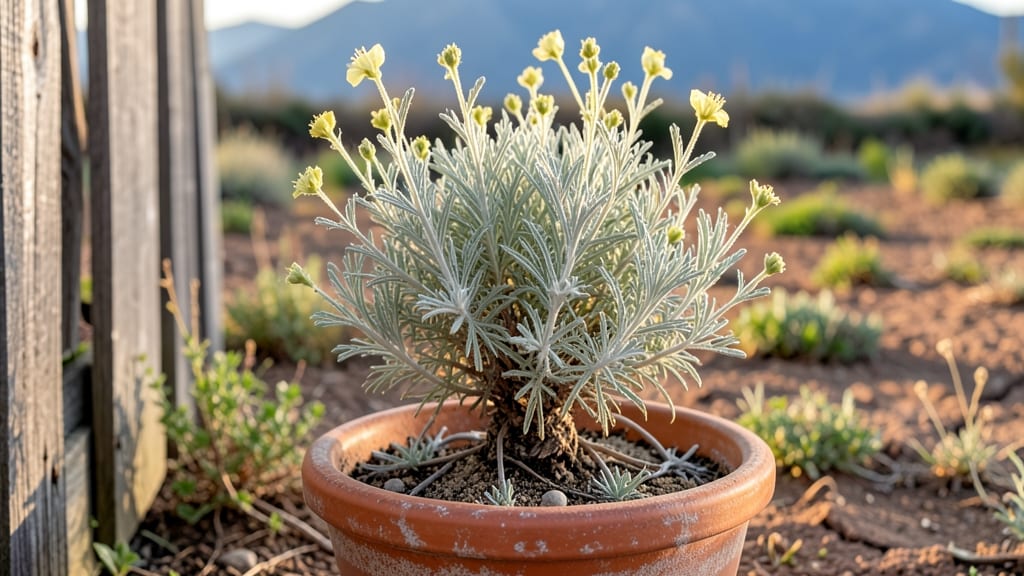
Transform your garden into a wildflower meadow with the striking beauty of sagebrush in bloom, all while keeping your water bill low. Sagebrush in bloom transforms drought-prone spaces into fragrant, pollinator magnets that spread effortlessly—no digging, no fuss.
I’ve watched mine turn a barren corner into a textured, silver-blue cloud that hums with bees all summer. The key lies in pairing it with sun-loving perennials like lavender or yarrow, which echo its drought tolerance and silvery foliage.
Plant in loose groups of 3-5 plants for natural drift, and watch how the late-summer blooms attract butterflies while the aromatic leaves deter pests. This isn’t just a plant—it’s a low-maintenance ecosystem that thrives where others fail.
By autumn, you’ll spot tiny seedlings popping up around the base, ready to fill in gaps without your help. The scent alone—earthy, slightly peppery—makes it worth growing, but the wildlife it supports (bees, birds, even rabbits that nibble respectfully) seals the deal.
Perfect for native gardens, pollinator patches, or high-desert landscapes, sagebrush blends effortlessly with both modern and wild designs. Here’s how to make it the star of your next planting.
📚 In This Guide
- What you need
- Instructions
- Tips and common mistakes
- Wrapping up and next steps
What you need
- ● Drought-tolerant perennial seeds or plants: Sagebrush (Artemisia spp.) – 3–5 mature plants or seeds
- ● Other drought-proof perennials (e.g., lavender, yarrow, blanket flower) – 3–5 plants/seeds each
- ● Well-draining soil: Native soil amended with compost (1–2 bags) or gravel/sand (5–10 lbs) for improved drainage
- ● Organic mulch: 3–5 cubic feet (e.g., straw, wood chips, or pebbles)
- ● Watering can or drip irrigation system (for initial establishment)
- ● Gloves and knee pads (for comfort and protection)
- ● Hand trowel or transplanting spade (for digging)
- ● Pruners or shears (for trimming established plants)
- ● Measuring tape or ruler (to space plants 2–4 feet apart)
- ○ Optional: Soil pH test kit (to ensure alkalinity, ideal for sagebrush)
- ● Drip irrigation timer (for automated watering)
- ● Bird netting (to protect young plants from wildlife)
- ● Full sun location: At least 6–8 hours of direct sunlight daily (sagebrush thrives in arid, sunny conditions!)
- ● Drought-resistant zone: USDA Hardiness Zones 4–10 (check your local climate)
- ● Patience: Perennials may take 1–2 years to fully establish and bloom
How to establish a self-sustaining sagebrush-inspired perennial meadow
Turn your dry landscape into a thriving, low-maintenance ecosystem with these resilient perennials that spread naturally.
Select and Prepare the Site
Choose a location with full sun exposure (at least 6 hours daily) and well-draining soil—sagebrush thrives in poor, rocky ground but will rot in soggy conditions. Test drainage by digging a 12-inch deep hole; if water pools after 24 hours, amend with 2-3 inches of coarse sand mixed into the top 6 inches of soil.
Clear existing vegetation within a 5-foot radius of each plant, but leave any beneficial ground cover like clover intact. Native grasses and wildflowers actually improve soil structure over time. Mark planting zones with wooden stakes to avoid disturbing the soil repeatedly before installation.
Plant Drought-Tolerant Perennials for Natural Spread
Install 4-6 plants per square yard (adjust spacing based on mature size—18-36 inches apart for most sagebrush varieties). Dig holes twice as wide as the root ball but only as deep—planting too deep suffocates roots. Gently tease apart roots if pot-bound, then backfill with native soil mixed with 1 part compost to encourage microbial activity.
Water deeply immediately after planting (1 gallon per plant) to eliminate air pockets, then let the soil dry completely before watering again. This initial deep soak helps roots establish without encouraging dependency on frequent moisture. Mulch with 2 inches of gravel or decomposed granite (not organic mulch) to retain heat and deter weeds.
☀️ Step 3: Establish Watering Routine for First Season
For the first 30 days, water once every 7-10 days during dry spells, delivering ½ gallon per plant at soil level (avoid wetting foliage to prevent fungal diseases). After 60 days, reduce frequency to every 14-21 days—mature plants need no supplemental water once established. Monitor soil moisture by pressing your finger 2 inches deep; water only when completely dry.
Real talk: Overwatering kills more drought plants than underwatering. Sagebrush and its companions thrive on neglect once roots penetrate 12 inches deep, which typically takes 1-2 seasons. Use a rain gauge to track natural precipitation—if you get 1 inch of rain weekly, supplemental watering may not be needed at all.
✂️ Step 4: Encourage Natural Propagation
Allow plants to self-seed and spread by leaving some seed heads intact through winter. In early spring, thin seedlings to half the mature spacing (e.g., 9-18 inches apart) to prevent overcrowding. For aggressive spreaders like Russian sage, divide clumps every 3-4 years in early spring by digging up sections with 3-4 stems and replanting immediately.
Deadhead spent blooms only if you want to control seed spread—otherwise, let nature handle it. The more flowers you leave, the more your meadow will expand naturally. I’ve seen Russian sage double its coverage in 2 seasons with zero intervention, turning a sparse area into a vibrant, pollinator-friendly thicket.
⏰ Step 5: Maintain Through Seasons for Long-Term Resilience
Apply a ½-inch layer of compost in early spring to replenish nutrients without smothering roots. Prune only to remove dead or diseased stems in late winter—never cut back more than ⅓ of the plant. Fertilize once annually in spring with ½ cup of 5-10-10 fertilizer per 10 square feet (light feeding is key; heavy applications encourage weak, water-dependent growth).
After 3 years, your meadow should require no additional watering and minimal pruning. The goal is self-sufficiency—once established, these perennials outcompete weeds, attract beneficial insects, and create a microclimate that supports even more native species. Step back and let the ecosystem do the work; that’s when you’ll see the real magic of sagebrush in bloom.
Tips & tricks for perfect sagebrush meadow establishment
These practical insights will help you create a thriving, self-sustaining landscape that requires minimal intervention once established.
Soil Preparation Insight: When testing drainage by digging that 12-inch hole, pay attention to how quickly water drains—not just whether it pools. Sandy soils may drain in minutes, while clay soils might take hours. If water disappears within 30 minutes, your soil is perfect for sagebrush. If it takes longer than 24 hours, you'll need to amend with more coarse sand or consider raised beds for optimal growth.
Planting Density Strategy: The 4-6 plants per square yard guideline is ideal for most sagebrush varieties, but adjust based on your specific species. For example, Russian sage can handle closer spacing (3-4 plants per square yard) since it spreads aggressively, while some ornamental sages prefer more space (up to 6 feet apart). This flexibility allows you to create either a dense meadow or a more open, sculptural look.
Watering Technique: That initial 1-gallon deep watering after planting is crucial—it eliminates air pockets around roots and triggers immediate root expansion. For the first 30 days, water at the base of plants using a soaker hose or drip irrigation rather than overhead sprinklers. This targeted approach prevents fungal diseases while ensuring moisture reaches the roots where it's needed most.
Long-Term Maintenance: The 3-year mark when your meadow becomes truly self-sufficient is actually more like 2 years in most climates. I've seen Russian sage establish fully in just 18 months with proper initial care. After that point, you'll notice fewer weeds, more pollinators, and plants that naturally resist drought. This is when you can truly step back and enjoy your creation.
Pro Tips for Sagebrush In Bloom
- These practical insights will help you create a thriving, self-sustaining landscape that requires minimal intervention once established.
- Soil Preparation Insight: When testing drainage by digging that 12-inch hole, pay attention to how quickly water drains—not just whether it pools.
- Planting Density Strategy: The 4-6 plants per square yard guideline is ideal for most sagebrush varieties, but adjust based on your specific species.
Frequently asked questions
Got questions about sagebrush in bloom?
Here are some of the most common inquiries—plus straightforward answers to help you make the most of this resilient, low-maintenance plant.
When does sagebrush typically bloom?
Sagebrush (like Artemisia tridentata) usually blooms in late spring to early summer, though timing varies by species and climate. In arid regions, expect flowers in May or June, while cooler areas may see blooms slightly later. Look for fuzzy, yellowish-green flower clusters that add a delicate touch to drought-prone landscapes.
How much water does blooming sagebrush need?
Once established, sagebrush is extremely drought-tolerant—often thriving on rainfall alone! During its first year, water lightly every 2–3 weeks. After that, minimal irrigation (or none) is ideal. Overwatering can suffocate roots, so let the soil dry between waterings. Pro tip: Mulch with gravel to retain moisture and deter weeds.
Can I propagate sagebrush from cuttings or seeds?
Yes! While seeds are the easiest method (just scatter them in well-draining soil), you can also take stem cuttings in early spring. Dip cuttings in rooting hormone, plant in sandy soil, and keep them lightly moist until roots form (4–6 weeks). Note: Sagebrush spreads slowly—patience is key for dense patches!
Are blooming sagebrush flowers good for pollinators?
Sagebrush provides nectar and pollen for bees, butterflies, and native pollinators—especially in early spring when other flowers are scarce. Its fuzzy blooms are a pollinator powerhouse in xeric (dry) ecosystems. Pair it with other drought-tolerant perennials like yarrow or blanket flower for a buzzing, biodiversity-friendly garden.
Why isn’t my sagebrush blooming?
Common culprits include:
- Too much shade: Sagebrush needs full sun (6+ hours daily) to flower.
- Over-fertilizing: Rich soil can reduce blooms—this plant prefers lean, well-draining conditions.
- Young age: It may take 2–3 years for established plants to bloom.
- Stress: Check for pests (like spider mites) or root rot from poor drainage.
Give it time, space, and minimal intervention—sagebrush rewards patience with stunning, low-effort blooms!
Wrapping up and next steps
Sagebrush in bloom isn’t just a stunning sight—it’s a resilient, low-maintenance addition to any landscape that thrives where others can’t. These drought-proof perennials offer natural beauty and self-sufficiency, perfect for gardeners seeking hardy, eco-friendly options.
Whether you’re a beginner or a seasoned green thumb, now’s the time to plant, nurture, and let nature do the rest!
Ready to transform your space? Start small—pick a sunny spot, grab a few cuttings, and watch your garden flourish with minimal effort. Dive into our planting guide to begin your journey today! 🌱✨