
Blooming
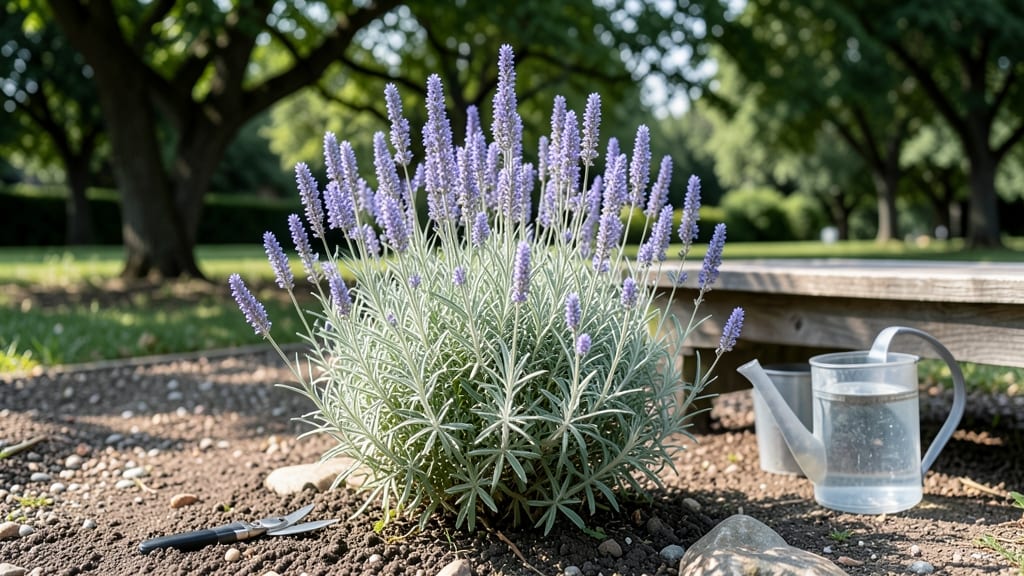
Russian sage blooming turns your garden into a lavender-purple cloud by midsummer. 🌿 I’ve watched mine go from scraggly stems to 3-foot-tall spikes of fragrant flowers in just six weeks—no fuss, no drama, just relentless blooms. The secret isn’t complicated: it’s about sunlight, spacing, and knowing when to cut back.
This plant thrives where others fail—full sun, rocky soil, even drought. Mine survives on once-a-week watering in summer, and the blooms keep coming until frost. The key is giving it room: crowd it, and you’ll get fewer flowers.
Plant 3-4 feet apart, and you’ll get a nonstop show from June to October. Pruning is where the magic happens. Cut back one-third of the oldest stems in early spring, and you’ll trigger a flush of fresh growth.
Skip this, and your plant turns into a woody mess with half the flowers. The blooms themselves are drought-proof—they’ll keep going even when your roses wilt. Once you master the basics, you’ll have purple spikes that outlast any other perennial.
No deadheading needed (the spent flowers stay pretty), and deer leave it alone. It’s the low-maintenance superstar of the drought-tolerant garden.
📚 In This Guide
- What you need
- Instructions
- Tips and common mistakes
- Wrapping up and next steps
What you need
- ● Russian sage plants – Choose Perovskia atriplicifolia (1-3 plants per 3–4 ft of space). Nursery-grown or seeds (if starting from scratch).
- ● Well-draining soil – Mix 1 part native soil with 1 part compost and 1 part coarse sand or gravel (pH 6.0–8.0).
- ● Sunlight access – Full sun (6+ hours daily) is a must for optimal blooming.
- ● Watering can or hose – Drought-tolerant once established, but young plants need 1 inch of water per week (deep watering, not frequent shallow soaks).
- ● Pruning shears – Sharp, clean shears (bypass type) for shaping and deadheading.
- ○ Mulch (optional but recommended) – 2–3 inches of organic mulch (straw, wood chips, or gravel) to retain moisture and suppress weeds.
- ● Slow-release fertilizer – Low-nitrogen, high-phosphorus (e.g., 5-10-5) to encourage blooms. Apply once in early spring.
- ● Drought-resistant companion plants – Pair with lavender, sedum, or yarrow for a stunning xeric garden.
- ● Plant markers – Label plants if you’re experimenting with varieties (e.g., ‘Blue Spire’ or ‘Little Spire’).
- ● Rain gauge – Helps monitor watering needs during dry spells.
How to encourage Russian sage to bloom abundantly
Here’s how to coax those signature purple spikes into full, drought-resistant glory—no fuss, just results.
🌱 Step 1: Plant in Full Sun and Well-Drained Soil
Russian sage thrives in 6+ hours of direct sun daily, so pick the sunniest spot in your yard. The more light it gets, the more vigorously it blooms. I always plant mine in late spring after the last frost, when soil temperatures hit 60°F or warmer—this prevents root stress.
Dig a hole twice as wide as the root ball but only as deep. The plant’s crown should sit just above soil level—burying it too deep suffocates the roots and delays blooming. Mix in compost or aged manure to enrich the soil without making it heavy. Russian sage tolerates poor soil but rewards you with more flowers when given a nutrient boost.
☀️ Step 2: Water Deeply but Infrequently
Once established, Russian sage is drought-tolerant, but young plants need consistent moisture. Water deeply once a week during the first growing season, soaking the soil 6-8 inches down. You’ll know it’s right when water runs out the drainage holes—this encourages deep root growth, which means more flowers later.
After the first year, cut back to watering every 2-3 weeks unless your area experiences extreme heat or drought. Overwatering is the fastest way to kill Russian sage—it rots the roots and prevents blooming. Let the top 2 inches of soil dry out completely between waterings, and you’ll see those purple spikes appear reliably.
✂️ Step 3: Prune Strategically to Stimulate Blooms
Prune Russian sage in early spring, just as new growth begins. Cut back the previous year’s stems by one-third to encourage fresh, vigorous shoots. I use clean, sharp pruners to make 45-degree cuts just above a leaf node—this prevents disease and promotes bushier growth.
Deadhead spent blooms throughout the season, but don’t go overboard. Russian sage blooms on old wood, so removing too many flowers can reduce next year’s display. Instead, trim back only the most faded stems, leaving the rest to set seed naturally. This balance keeps your plant flowering longer and healthier.
🌿 Step 4: Fertilize Lightly for Long-Lasting Color
Russian sage doesn’t need much fertilizer, but a light feeding in early spring jumpstarts blooming. Use a balanced, slow-release fertilizer (10-10-10) and apply it at half the recommended rate. Too much nitrogen makes the plant focus on leaves instead of flowers—this is the #1 mistake gardeners make with Russian sage.
Scatter the granules around the base of the plant and water them in deeply. Avoid fertilizing after mid-summer, as new growth won’t harden off before winter. Instead, let the plant focus on storing energy for next year’s blooms. A little goes a long way with Russian sage.
⏰ Step 5: Protect in Winter for Next Year’s Blooms
Russian sage is cold-hardy, but young plants benefit from a little winter protection. Once temperatures drop below 20°F, mound 3-4 inches of mulch around the base of the plant. This insulates the roots and prevents heaving, which can damage the crown.
In late winter, as new shoots emerge, remove the mulch and check for any dead or damaged stems. Trim them back immediately to redirect the plant’s energy into fresh growth. Russian sage is tough, but a little winter care ensures it comes back stronger—and blooms even more spectacularly—next season.
Tips & tricks for perfect Russian sage blooms
Here's what nobody tells you about making Russian sage bloom like crazy—these little details make all the difference.
Location is Everything: I planted mine in a spot that gets full sun from 10 AM to 4 PM, and the difference is night and day. If your yard has afternoon shade, consider a raised bed or container where you can position it to catch those critical afternoon rays. Russian sage won't bloom well with less than 6 hours of direct sun—it's not being picky, it's just telling you what it needs to thrive.
Soil Temperature Secret: The instructions mention waiting until soil hits 60°F, but here's the thing—don't rush planting just because the air feels warm. Stick your finger in the soil about 2 inches deep. If it feels cold to the touch, wait a few more days. Warm soil is what gets those roots growing fast, which means earlier blooms for you. I've seen plants that got put in too early just sit there looking sad all season.
Watering Wisdom: When you're watering those first 6-8 inches deep, here's a pro move: use your finger to check moisture after watering. If it feels damp all the way down, you're good. If it's still dry at the bottom, water again. The goal is to encourage deep roots, not just wet the top inch. After the first year, I let the top 2 inches dry completely between waterings—this drought tolerance is what makes Russian sage so special once established.
Pruning Precision: That one-third cut in Step 3 isn't just random—it's about creating new growth points. When you make those 45-degree cuts just above a leaf node, you're telling the plant "grow here!" rather than just hacking it back. I mark my pruning spots with a pencil first to visualize where each cut will land. And for the love of purple flowers, don't use dull shears—they crush stems and invite disease.
Pro Tips for Russian Sage Blooming
- Here's what nobody tells you about making Russian sage bloom like crazy—these little details make all the difference.
- Location is Everything: I planted mine in a spot that gets full sun from 10 AM to 4 PM, and the difference is night and day.
- Soil Temperature Secret: The instructions mention waiting until soil hits 60°F, but here's the thing—don't rush planting just because the air feels warm.
Frequently asked questions
Got questions about getting your Russian sage to bloom its stunning purple spikes?
You’re not alone! Here are answers to the most common queries—from timing tricks to troubleshooting tips—so you can enjoy that drought-resistant drama in your garden.
When does Russian sage typically bloom, and how long does it last?
Russian sage usually bursts into bloom in mid-to-late summer (July–August), with some varieties starting as early as June in warm climates. The flowering can last 6–8 weeks if deadheaded regularly. Late frosts may delay blooms, but once established, it’s a reliable performer until fall’s first chill.
Why isn’t my Russian sage blooming this year?
No purple spikes? Check these top culprits:
- Over-fertilizing: Too much nitrogen = leafy growth, not flowers. Use a low-nitrogen, balanced fertilizer (like 5-10-10) in early spring.
- Poor sunlight: It needs 6+ hours of full sun daily. Shady spots = sad blooms.
- Overwatering: This drought-loving plant hates soggy roots. Water deeply but infrequently (1–2 times/week in dry spells).
- Young plants: Give it 1–2 years to mature before expecting heavy blooms.
Pro tip: If it’s established but still struggling, prune back 1/3 of the plant in early spring to encourage new growth and blooms!
Can I prune Russian sage after it blooms?
Yes! Prune back by 1/3 right after flowering to shape the plant and encourage next year’s blooms. Avoid heavy pruning in fall—it needs foliage to store energy for winter. Never prune in late winter; wait until early spring (when new growth appears) to avoid damaging tender shoots.
What’s a good alternative if Russian sage doesn’t thrive in my climate?
If your zone is too cold (below Zone 5) or too humid, try these equally stunning drought-tolerant perennials:
- Lavender (Zones 5–9): Fragrant purple spikes, loves sun, and deters pests.
- Salvia nemorosa (Zones 4–8): Similar purple blooms, thrives in poor soil.
- Catmint (Nepeta) (Zones 3–8): Long-blooming, deer-resistant, and bee-magnet.
- Blanket flower (Gaillardia) (Zones 3–10): Vibrant red/yellow blooms, heat-proof.
Bonus: All these plants share Russian sage’s low-maintenance charm and pollinator appeal!
How cold-hardy is Russian sage, and does it need winter protection?
Russian sage is tough as nails—it survives down to Zone 4 (with -30°F tolerance) and doesn’t need winter protection in most climates. However, in Zone 5 or colder, mulch the base with 2–3 inches of straw or shredded leaves to insulate roots. Never cut back until spring; the woody stems protect the crown!
Wrapping up and next steps
Watching your Russian sage burst into vibrant purple blooms is a rewarding experience—especially when you know it’s thriving without much fuss! 🌿 This cold-hardy, drought-tolerant beauty proves that stunning gardens don’t require constant care.
Whether you’re a seasoned gardener or just starting out, planting Russian sage is a fantastic way to add color, texture, and resilience to your landscape.
Now that you’ve got the tips and answers to keep your sage happy, why not take the next step? Grab some cuttings, share your progress with fellow gardeners, or even experiment with companion plants to create an eye-catching pollinator-friendly display. Your garden—and the bees—will thank you!