
Blooming
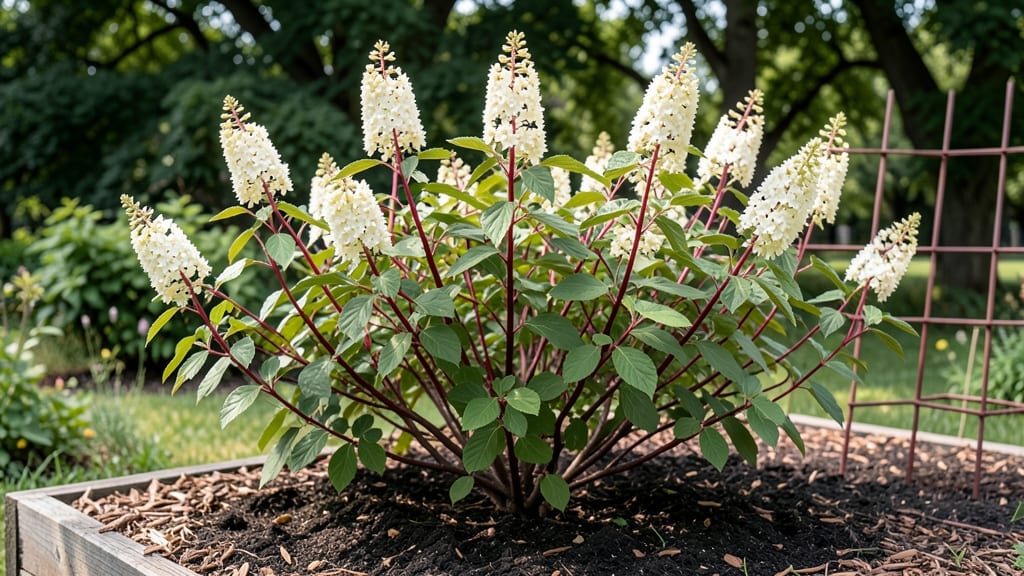
The red twig dogwood in bloom transforms your garden into a living painting—white spring flowers, fiery winter stems, and lush green foliage all in one plant. 🌿 I planted mine three years ago, and it’s become the star of my landscape, drawing neighbors to pause and admire its seasonal show.
This shrub works hard while looking effortless: it thrives in full sun or partial shade, handles wet or dry soil, and needs almost no pruning to keep its dramatic stems.
The white blooms in spring attract pollinators, while the bold red branches in winter provide structure when everything else is bare. Pair it with evergreens like boxwood or hemlock for contrast, or let it shine alone as a focal point near a pathway.
In my garden, it anchors a winter interest border, looking stunning even under snow. Low-maintenance, adaptable, and year-round beautiful, it’s the perfect plant for gardeners who want drama without the fuss. Here’s how to make it the centerpiece of your landscape!
📚 In This Guide
- What you need
- Instructions
- Tips and common mistakes
- Wrapping up and next steps
What you need
- ● Red twig dogwood plants: 1–3 bare-root or container-grown plants (check local nurseries for Cornus sericea varieties).
- ○ Well-draining soil: Mix of native soil + compost (ratio: 3 parts soil to 1 part compost). Optional: Amend with peat moss or perlite for clay-heavy areas.
- ● Mulch: 2–3 inches of organic mulch (shredded bark or wood chips) to retain moisture and suppress weeds.
- ● Watering can or hose: With a gentle spray nozzle for post-planting hydration.
- ● Pruning shears: Sharp, bypass-pruners (sterilized with rubbing alcohol).
- ● Gloves: Heavy-duty gardening gloves to protect hands from thorns.
- ○ Stakes & twine: Optional: For young plants in windy areas (3–4 stakes, 6–8" deep).
- ● Sunlight: Partial shade to full sun (6+ hours/day). Pro tip: Morning sun + afternoon shade works best in hot climates! 🌡️
- ● Water source: Consistent access to water for the first 2–3 weeks post-planting.
- ● Space: 4–6 feet wide and tall at maturity (plant 5–10 feet apart for clusters).
- ● Season: Plant in early spring or fall (avoid extreme heat/cold).
How to keep your red twig dogwood in bloom year-round
This stunning shrub thrives with just a few seasonal adjustments—here's how to maximize its vibrant display.
🌱 Step 1: Plant in the Right Location for Continuous Color
Red twig dogwood loves full sun to partial shade, with at least 4-6 hours of direct sunlight daily. I always choose a spot with morning sun and afternoon shade—this prevents leaf scorch while keeping stems vibrant. The soil should drain well but stay moist, so amend heavy clay with 2-3 inches of compost before planting.
Dig a hole twice as wide as the root ball but only as deep as the container. Gently loosen roots if they're circling, then backfill with native soil mixed with compost. Water deeply right after planting to settle the soil around roots. You'll know it's in the perfect spot when new growth appears within 4-6 weeks.
☀️ Step 2: Prune Strategically to Encourage New Growth
Here's the secret: prune in late winter or early spring before new growth begins. Remove 1/3 of the oldest stems at ground level—these are the ones that turn red in winter. Cut just above a bud or lateral branch to encourage new, colorful stems to form. Never prune in fall, as this removes next year's red twigs.
For established shrubs, thin out crowded stems to improve airflow. You'll see fresh green shoots emerge within 2-3 weeks of pruning—these will develop into next year's showy stems. Avoid heavy pruning in summer, as this reduces winter color potential.
💧 Step 3: Water and Feed for Vibrant Blooms and Stems
Water deeply once a week during the first growing season to establish roots, then taper to every 10-14 days once established. Mulch with 2-3 inches of organic mulch (like shredded bark) to retain moisture and protect roots. The mulch should extend 3 inches from the trunk but not touch it.
Feed with a balanced 10-10-10 fertilizer in early spring when new growth begins. Scatter granules evenly over the root zone and water deeply to activate them. You'll notice lush foliage and brighter blooms within 4-6 weeks—this is your sign the plant is thriving.
✂️ Step 4: Maintain Year-Round with Minimal Effort
Remove spent flower clusters in early summer to redirect energy to stem production. A quick sweep with pruners keeps the shrub tidy without sacrificing next year's color. In winter, leave the stems intact—they provide winter interest and food for wildlife.
Watch for signs of stress like yellowing leaves or wilting stems. These often mean either underwatering or overwatering. Red twig dogwood is tough once established, but consistent moisture is key. With proper care, your shrub will reward you with 4 seasons of interest—spring blooms, summer foliage, fall color, and winter stems.
Tips & tricks for perfect red twig dogwood care
These simple strategies will help you keep your dogwood thriving with minimal effort—and more vibrant color than ever.
Lighting Strategy: That 4-6 hours of daily sunlight is non-negotiable, but here's the trick: position your shrub where it gets morning sun and afternoon shade. This balance prevents leaf scorch while keeping those stems vibrant. If you notice browning edges, it's getting too much direct afternoon sun—move it or add some shade cloth.
Pruning Precision: When you remove 1/3 of the oldest stems in late winter, look for stems that are at least pencil-thick and have faded color. Cut just above a bud or side branch—this is where new growth will emerge within those 2-3 weeks. Pro tip: Use clean, sharp pruners to avoid tearing the bark, which can invite disease.
Watering Wisdom: The once-weekly watering during the first year is crucial for root establishment, but here's what nobody tells you: water deeply enough that moisture reaches 6-8 inches down. You can check by sticking your finger in the soil—if it's dry at that depth, water again. Once established, those 10-14 day intervals become your new rhythm.
Fertilizer Timing: That early spring feeding with 10-10-10 fertilizer is your secret weapon for brighter blooms, but don't overdo it. Scatter those granules evenly over the root zone—about 6 inches from the trunk—and water them in well. The key is applying it when you first see those fresh green shoots emerging, not before. You'll notice the difference in just 4-6 weeks!
Pro Tips for Red Twig Dogwood In Bloom
- These simple strategies will help you keep your dogwood thriving with minimal effort—and more vibrant color than ever.
- Lighting Strategy: That 4-6 hours of daily sunlight is non-negotiable, but here's the trick: position your shrub where it gets morning sun and afternoon shade.
- Pruning Precision: When you remove 1/3 of the oldest stems in late winter, look for stems that are at least pencil-thick and have faded color.
Frequently asked questions
When is the best time to see red twig dogwood in bloom?
The Cornus sericea (red twig dogwood) puts on its most dramatic show in late spring to early summer (May–June), when clusters of white or pale pink flowers appear. However, its real star turn comes in winter—when its vibrant red stems catch the light! For year-round interest, plant it where you can admire both the blooms and the striking winter branches.
How much sunlight does red twig dogwood need to thrive?
Red twig dogwood is versatile! It thrives in partial shade (4–6 hours of sunlight daily) but tolerates full sun in cooler climates. In hotter regions, provide morning sun + afternoon shade to prevent stress. Avoid deep, dense shade—it needs some light to fuel its bold winter stems.
Do I need to prune red twig dogwood to keep it blooming?
Not really! One of its biggest perks is minimal pruning. Simply remove dead or weak stems in early spring (before buds swell) to encourage new growth. Avoid heavy pruning—old stems are key for winter color. Pro tip: If overgrown, prune selectively to maintain an open center for airflow.
Are red twig dogwoods prone to pests or diseases?
Generally low-maintenance, but watch for powdery mildew (white fungal spots) in humid climates or borers if stems are stressed. Improve airflow by spacing plants 3–6 feet apart. For mildew, apply neem oil or fungicide in early season. Healthy soil (moist but well-drained) keeps most issues at bay!
What are good alternatives if red twig dogwood isn’t available?
If you love winter color, try these stunning substitutes:
- Winter King hawthorn (Crataegus viridis) – Spiny branches with red stems.
- Smokebush (Cotinus) – Fuzzy pink plumes + burgundy foliage.
- Osoberry (Shepherdia canadensis) – Yellow winter berries + red stems.
- Switchgrass (Panicum virgatum) – For a textural alternative.
Wrapping up and next steps
Watching your red twig dogwood burst into vibrant bloom is like having a front-row seat to nature’s most stunning show—and the best part? It keeps delivering year after year with almost no fuss! 🌸 These hardy shrubs prove that beauty and low-maintenance gardening can go hand in hand, offering winter interest, spring color, and even wildlife support.
Whether you’re a seasoned gardener or just starting out, adding one to your landscape is a win-win.
Ready to elevate your outdoor space? Start by picking the perfect spot, then grab those pruners—your dogwood’s next act is waiting! 🌿