
Blooming
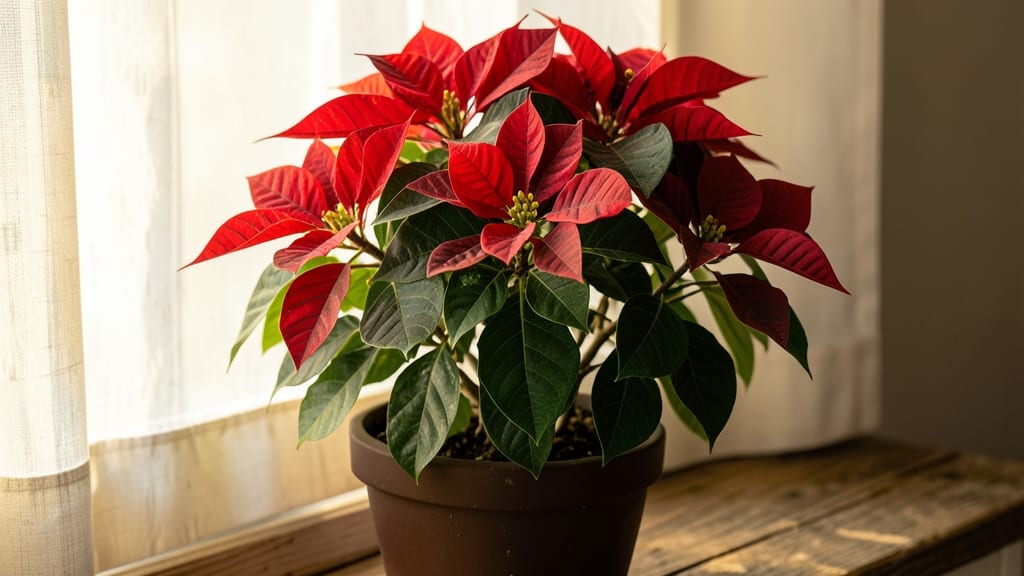
These reblooming poinsettia plants trick winter into returning every year—just give them 14 hours of darkness starting in mid-September, and watch the magic unfold. 🌱 I’ve coaxed my poinsettias into second blooms for three years now, and the trick is simpler than you’d think: darkness triggers the magic, while bright light keeps them strong during the day.
You’ll need a dark room, closet, or even a box to cover the plant for 14 hours straight—no peeking! Water lightly before the dark period, but don’t drown them.
Prune back leggy stems after blooms fade to encourage bushier growth. Consistency is key: miss even a few nights, and the plant resets, delaying blooms until next year.
By December, you’ll see those vibrant red (or white, pink, or marbled) bracts reappear, just like the first time. The plants stay compact, lush, and boldly colorful—no sad, stretched-out stems. Even if you’ve failed before, this method works for beginners and veterans alike.
Works for all poinsettia varieties, from classic reds to variegated types. Start now, and next holiday season, you’ll have a showstopper that rivals store-bought plants—without the price tag. Here’s how to make it happen without the guesswork.
📚 In This Guide
- What you need
- Instructions
- Tips and common mistakes
- Wrapping up and next steps
What you need
- ● Healthy poinsettia plant: Choose one that’s already bloomed (or survived the winter) with no signs of pests or disease.
- ● Grow lights (LED or fluorescent): Full-spectrum bulbs (6000–6500K color temperature)
- ● 1–2 lights per plant (or a single light for 2–3 plants if spaced 12–18" apart)
- ● Adjustable height (12–18" above foliage)
- ● Timer (smart plug or mechanical): For precise 14-hour light cycles (e.g., 6 AM–8 PM).
- ● Well-draining potting mix: Use a light, airy blend (e.g., 50% peat moss, 30% perlite, 20% vermiculite).
- ● 6–8" pots with drainage holes: One per plant (or repot if roots are crowded).
- ● Balanced liquid fertilizer (10-10-10 or 20-20-20): Diluted to half-strength (e.g., 1 tsp per gallon of water).
- ● Pruning shears (sterilized): Sharp, clean tools to trim spent blooms and encourage new growth.
- ● Humidity tray or pebble tray: Keeps air moist (especially in dry climates).
- ● Reflective surfaces (aluminum foil or white boards): Boosts light efficiency by 30%.
- ● Thermometer/hygrometer: Monitors temps (ideal: 65–75°F) and humidity (50–60%).
- ○ Root stimulator (optional): Adds a growth boost when repotting (follow label instructions).
- ● Decorative pots or sleeves: For a polished look while reblooming!
How to trigger reblooming in poinsettias using light
Here's the simple method I've used to get vibrant second blooms every year—no gardening degree required.
🌱 Step 1: Start with Healthy, Established Plants
Choose poinsettias that finished their first bloom cycle and have at least 6-8 inches of new growth after dropping their bracts. I always prune back leggy stems to 4-6 inches in early spring—this encourages bushier growth and more flower buds later. Healthy plants handle the light manipulation better.
Water consistently but avoid soggy soil. Let the top inch dry between waterings, and use well-draining potting mix. You'll know you're doing it right when leaves stay plump and vibrant—not yellowing or wilting. Fertilize lightly with a balanced 10-10-10 formula every 4-6 weeks during the growing season.
☀️ Step 2: Master the Light Schedule for Bud Formation
The key to reblooming is controlling light exposure. Starting in mid-September, give your poinsettia 14-16 hours of bright light daily—this can be natural sunlight or a grow light. After 14 hours, cover the plant completely with a dark box or move it to a closet for 10-12 hours of darkness. This darkness triggers bud formation.
I use a simple cardboard box with a small vent for airflow. Place the box over the plant immediately after the light period ends. No peeking! Even a flash of light can reset the process. Repeat this schedule for 6-8 weeks until you see small buds forming at the leaf joints.
⏰ Step 3: Fine-Tune Light for Color Development
Once buds form, switch to 12 hours of darkness daily to encourage vibrant color development. This shorter dark period prevents the plant from flowering too early. Keep the plant in bright, indirect light during the remaining daylight hours—south or west-facing windows work best.
Watch for color changes in the bracts. They'll start as green and gradually turn pink or red. If your poinsettia produces fewer bracts than last year, it might need more light during the day. A grow light positioned 6-12 inches above the plant can boost color intensity, especially in winter.
💧 Step 4: Maintain Ideal Conditions Through Bloom
Keep the soil consistently moist but never soggy. Water when the top inch feels dry to the touch, and avoid wetting the leaves to prevent fungal issues. Fertilize lightly every 4-6 weeks with a balanced fertilizer to support flowering. I also mist the plant occasionally to increase humidity—poinsettias love it when the air feels slightly damp.
Watch for pests like spider mites or whiteflies. Isolate the plant if you spot any and treat with neem oil or insecticidal soap. A healthy plant will produce bold, colorful bracts that last for weeks. Once blooming ends, prune again and repeat the process next year!
Tips & tricks for perfect poinsettia reblooming
Here's what nobody tells you about getting those showstopping second blooms—these tricks make all the difference.
Light Box Hack: For the 10-12 hours of darkness in Step 2, I use a blackout curtain draped over a shower curtain rod instead of a cardboard box. It's reusable, lightweight, and you can easily adjust the timing by moving it aside after your 14 hours of light. The vent isn't strictly necessary, but it helps prevent condensation buildup that could encourage fungal issues. Trust me, this makes the process way less fussy than wrestling with boxes.
Timing Secret: That 6-8 week schedule in Step 2 can feel like forever, but consistency is key. I set a timer on my phone for the exact 14 hours of light each day—no guesswork. Pro tip: If you're using natural light, position your plant near a south-facing window where it gets the most consistent light exposure. Even small variations can reset the bud formation process, so stick to that schedule religiously.
Color Boost: During the color development phase in Step 3, I've found that adding a small LED grow light (just 6 inches above the plant) for 2 hours in the morning gives an extra punch of vibrancy. The red and pink hues develop more intensely, especially if your natural light is weak during winter months. Just don't leave it on longer than 2 hours—too much can actually inhibit color development.
Troubleshooting Tip: If your poinsettia starts dropping buds after 6-8 weeks, it's likely getting too much light during the day. Move it to a slightly shadier spot and reduce any supplemental grow lights. The plant needs that strict 12-hour darkness to maintain the blooms once they form. I've had to adjust this more than once when my winter light levels changed unexpectedly.
Pro Tips for Reblooming Poinsettia Plants
- Here's what nobody tells you about getting those showstopping second blooms—these tricks make all the difference.
- Light Box Hack: For the 10-12 hours of darkness in Step 2, I use a blackout curtain draped over a shower curtain rod instead of a cardboard box.
- Timing Secret: That 6-8 week schedule in Step 2 can feel like forever, but consistency is key.
Frequently asked questions
Got questions about coaxing a second bloom from your poinsettia? Here are some of the most common concerns—and their answers—to help you succeed!
Can I rebloom a poinsettia bought from a store?
Most store-bought poinsettias are bred for one-time blooms and may not rebloom easily. However, if it’s healthy and you provide consistent 14-hour light cycles (like artificial lights) for 6–8 weeks, you might get lucky! Start early—fall is the best time to begin.
How long does it take for a poinsettia to rebloom?
Reblooming takes 8–12 weeks of careful light management. Begin in early fall (late August) with 14 hours of light and 10 hours of darkness daily. Patience is key—rushing the process can delay or prevent blooms.
What if my poinsettia only grows leaves and no flowers?
This usually means your plant isn’t getting enough darkness (10+ hours of complete darkness, no peeking!). Ensure no lights or TVs are on near it at night. Also, check for nutrient deficiencies—use a balanced fertilizer every 4–6 weeks during the growing season.
Can I rebloom a poinsettia indoors with just natural light?
Natural light alone is tricky! Windowsills often don’t provide consistent 14-hour light cycles. Supplement with a grow light (12–15 inches away) for 14 hours daily. South- or west-facing windows help, but artificial light is more reliable for reblooming.
Are there reblooming poinsettia varieties?
Yes! Some varieties are bred for easier reblooming, like ‘Winter Rose’ or ‘Premium Red’. These tolerate light variations better. Check labels when shopping, or ask nursery staff for "reblooming" types—it’s worth the extra effort!
Wrapping up and next steps
Reblooming your poinsettia is all about timing, light, and patience—but the results are oh-so-rewarding! 🌟 With the right triggers, you can enjoy vibrant red (or pink, white, or even bicolor!) blooms year after year.
Start now by adjusting your plant’s light exposure, and soon, you’ll be the proud caretaker of a second-season showstopper.
Ready to give it a try? Pick a poinsettia, gather your supplies, and begin your 12-week journey today! Your future blooms will thank you.