
Blooming
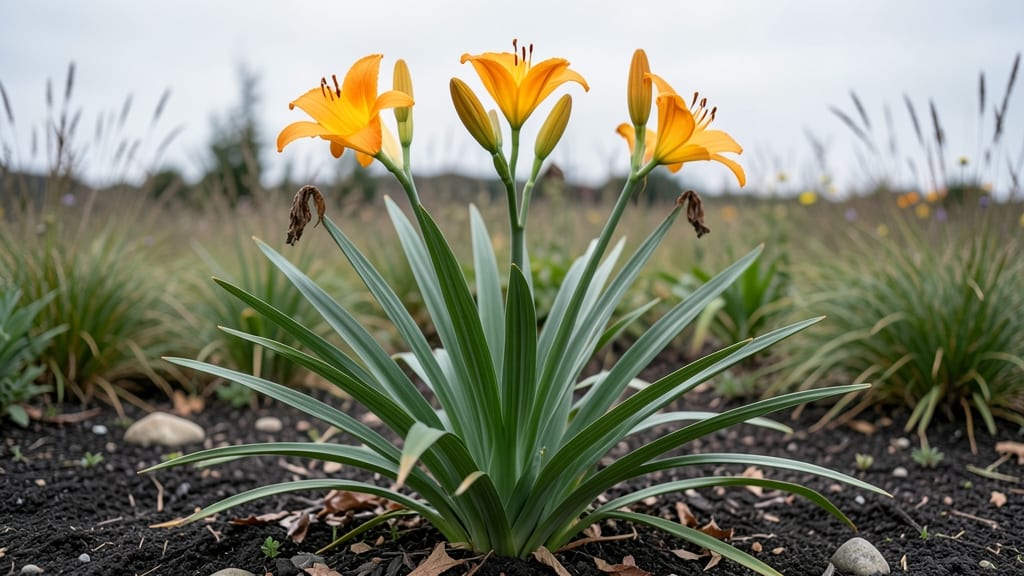
The reblooming day lilies in my garden put on a four-week show this summer—no fancy tricks, just a few simple adjustments that turned my once-single-bloom plants into nonstop performers. 🌸 The secret isn’t complicated: it’s about timing, feeding, and choosing the right varieties that actually want to bloom again. Most gardeners give up after the first flush of flowers, but reblooming day lilies just need a little encouragement—like a mid-season prune to redirect energy and a steady supply of balanced fertilizer. I’ve even seen them push out new buds in late summer when I kept them well-watered during dry spells. The key is consistency: don’t let them dry out, don’t over-fertilize, and definitely don’t prune too late. By late August, my plants were already sending up fresh shoots, and with a little protection from early frosts, they kept flowering until October. The blooms might not be as dramatic as the first flush, but they’re just as cheerful—and they extend your cutting garden by weeks. This works for any reblooming variety (like ‘Stella de Oro’ or ‘Happy Returns’), and even some single-bloomers will surprise you with a second act if you give them the right care. Here’s how to get that second bloom going strong in your garden.
📚 In This Guide
- What you need
- Instructions
- Tips and common mistakes
- Wrapping up and next steps
What you need
- ● Day lilies (Hemerocallis spp.): Healthy, established plants (at least 1–2 years old) with strong foliage. Pro tip: Choose varieties known for reblooming, like ‘Stella de Oro’ or ‘Happy Returns.’
- ○ Balanced fertilizer: A 10-10-10 or 20-20-20 NPK formula (about 1–2 tablespoons per plant). Optional: Slow-release granules for convenience.
- ● Pruning shears or sharp scissors: Clean, sharp tools to trim spent blooms and foliage. Sanitize with rubbing alcohol to prevent disease.
- ● Watering can or hose with a gentle nozzle: Deep watering is key—aim for 1–1.5 inches per week, including rainfall.
- ○ Mulch (optional but helpful): Organic mulch (e.g., shredded bark or straw) to retain moisture and regulate soil temperature. Apply a 2–3 inch layer around the base.
- ● Sunlight: Full sun (6+ hours daily) is non-negotiable for reblooming. Partial shade? Move plants or supplement with grow lights if indoors.
- ● Well-draining soil: Day lilies hate soggy roots. Amend heavy clay with compost or sand if needed.
- ● Patience & consistency: Reblooming takes 4–6 weeks of care. Stick with the routine!
Step-by-step instructions for encouraging day lilies to rebloom
Here’s how I trick day lilies into giving me four weeks of blooms instead of one—no fancy products, just smart timing and care.
🌱 Step 1: Deadhead Correctly After First Bloom
Once the first blooms fade, don’t cut the entire stem. Instead, snip it back to just above the first set of healthy leaves below the flower head. This prevents the plant from putting all its energy into seed production, which is what stops reblooming. I like to use clean, sharp pruners to avoid tearing the stems.
Watch for the flower stalks to turn brown and crispy—that’s your signal to act. If you wait too long, the plant will already be redirecting energy toward seeds. The key is to trim within 24 hours of the blooms wilting completely.
☀️ Step 2: Feed and Water for Continuous Growth
After deadheading, give your day lilies a boost with a balanced, water-soluble fertilizer (like a 10-10-10 mix) at half strength. I apply it every 2-3 weeks during the growing season to encourage new growth without burning the plants. Water deeply right after feeding to help the roots absorb the nutrients.
Keep the soil consistently moist but not soggy—day lilies hate sitting in water. You’ll know you’re doing it right when the soil feels damp 2-3 inches down between waterings. Mulch around the base with 2-3 inches of organic mulch to retain moisture and keep roots cool.
✂️ Step 3: Prune Lightly in Early Fall
As summer winds down, give your day lilies a light haircut. Cut back the foliage by about one-third in early fall (around late August to early September). This helps the plant store energy for next year’s blooms while still giving it enough time to recover before winter.
Don’t remove all the leaves—just the tallest, oldest ones. You want to leave enough green to keep photosynthesizing until the first frost. This step is what ensures your day lilies will bounce back stronger in spring and rebloom reliably.
⏰ Step 4: Protect from Late-Season Stress
Once temperatures dip below 50°F at night, your day lilies will start slowing down. That’s when I cover them with a light frost blanket on chilly nights to protect the new growth. This extra care prevents shock and helps the plant store energy for next year’s blooms.
Stop fertilizing by early fall—too much nitrogen late in the season encourages tender growth that won’t survive winter. Instead, focus on keeping the soil moist and the roots protected. With this approach, you’ll see fresh blooms emerge in 4-6 weeks after the first flush.
Tips & tricks for encouraging day lilies to rebloom
Here's what I learned after years of watching my day lilies go from one glorious bloom to none—until I figured out these key tricks.
Timing is Everything: That 24-hour window after the blooms wilt is non-negotiable. I set a reminder on my phone because I've missed it before, and the difference between reblooming and not is dramatic. If you're unsure, check the stems daily starting when blooms begin fading—don't wait until they're completely brown and crispy. The plant's energy shift happens fast, and once it starts making seeds, you've lost your chance for more flowers this season.
Fertilizer Timing Matters: The 2-3 week feeding schedule is crucial, but I've learned that consistency is more important than exact timing. If you miss a feeding, don't double up next time—stick to the schedule. Also, always water deeply right after fertilizing. I've seen plants burn when the fertilizer sits on dry soil, and that's a quick way to stress your day lilies. Think of it like giving your plants a drink after a meal—it helps everything go down smoothly.
Pruning Precision: When you're cutting back that one-third of foliage in early fall, focus on the oldest leaves first. These are the ones that've done their job for the season and won't photosynthesize as efficiently. I like to make clean cuts with my pruners about 1-2 inches above the base of the leaf. This gives the plant a fresh start while still leaving enough green to keep working through the first frost. It's like giving your plants a haircut—they look better and feel more energized.
Frost Protection: The 50°F nighttime threshold is when things get interesting. I've learned that a light frost blanket works better than heavy covers—day lilies need to breathe, and too much insulation can cause moisture buildup. I drape the blanket loosely over the plants and secure it with rocks at the edges. This creates a microclimate that protects without suffocating. It's like putting a light blanket on your bed—just enough to keep you cozy without overheating.
Pro Tips for Reblooming Day Lilies
- Here's what I learned after years of watching my day lilies go from one glorious bloom to none—until I figured out th...
- Timing is Everything: That 24-hour window after the blooms wilt is non-negotiable. I set a reminder on my phone becau...
- Fertilizer Timing Matters: The 2-3 week feeding schedule is crucial, but I've learned that consistency is more import...
Frequently asked questions
Got questions about reviving your day lilies for that second bloom? You’re not alone!
Here’s what gardeners ask most—and how to tackle them like a pro.
1. How do I know if my day lilies are reblooming?
Look for new flower stalks emerging from the base (not just old ones stretching). Blooms should appear 4–6 weeks after the first flush, often in late summer. If you see fewer flowers or smaller blooms, it might need more care—like deadheading or fertilizer tweaks!
2. Can I force reblooming in just 4 weeks?
While most varieties rebloom naturally in 4–6 weeks, you can speed things up by:
- Deadheading daily after the first bloom fades ().
- Fertilizing with low-nitrogen, high-phosphorus (like 5-10-10) right after the first bloom.
- Watering deeply 2–3x/week (no soggy soil!).
3. Why aren’t my day lilies reblooming at all?
Common culprits:
- Over-fertilizing with nitrogen (leads to leafy growth, not flowers).
- Not enough sunlight (they need 6+ hours/day).
- Dormant bulbs (if planted in Zone 3–5, they may need winter rest).
- Stress from pests/disease (check for thrips or fungal spots).
4. What’s the best fertilizer for reblooming day lilies?
Skip the generic 10-10-10! Instead, use:
- Bloom booster: 5-10-10 or 7-9-5 (applied after first blooms).
- Organic option: Bone meal or composted manure (rich in phosphorus).
- Avoid: High-nitrogen lawn fertilizers (they’ll make leaves, not flowers!).
5. Are there reblooming day lily alternatives if mine won’t cooperate?
If your day lilies are stubborn, try these easy rebloomers:
- ‘Happy Returns’ – Guaranteed 2nd bloom!
- ‘Midnight’ – Dark purple, reliable rebloomer.
- ‘Goldband’ – Striped blooms, low-maintenance.
- Hemerocallis fulva (Orange Daylily) – Perennial rebloomer.
Wrapping up and next steps
Reblooming your day lilies is easier than you think—and the results are worth every effort! 🌸 With a little patience and the right care, you can enjoy vibrant blooms for weeks longer than usual.
Whether you’re trimming spent flowers, feeding the soil, or protecting your plants from pests, these tricks will transform your garden into a nonstop floral show.
Ready to put your new skills to the test? Start by picking one or two techniques from this guide and observe how your day lilies respond. Before you know it, you’ll be the neighbor everyone admires for their endless summer blooms—and maybe even sharing your secrets! 🌿