
Pruning
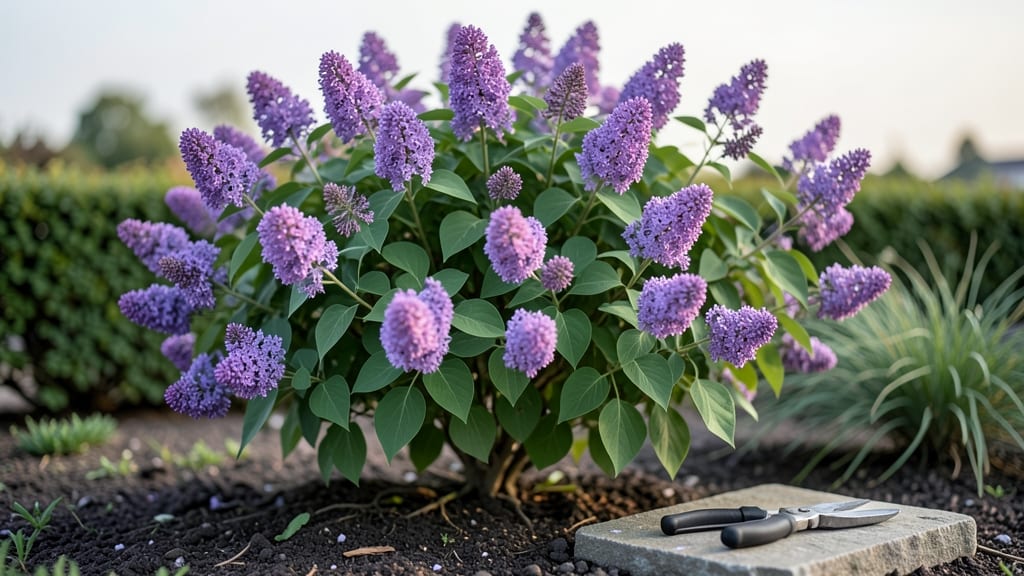
Pruning your Bloomerang lilac isn’t just about keeping it tidy—it’s the secret to those year-round purple spikes that neighbors will envy. 🌿 Unlike traditional lilacs that bloom once and fade, this reblooming variety needs a different approach to encourage continuous flowers.
I’ve pruned mine for five seasons, and the key is timing: a little work in late winter and a light trim after each bloom cycle keeps it producing without sacrificing next year’s flowers.
The tools you’ll need are simple: sharp pruning shears, gloves, and a small bucket for clippings. Bloomerang lilacs are forgiving, but precision matters—cut just above a leaf bud or lateral branch to avoid leaving stubs.
Most people over-prune, which can kill next year’s blooms, but this variety handles light cuts better than most. Think of it as sculpting, not hacking.
By mid-summer, you’ll see thick clusters of fragrant blooms returning after your first trim, and with proper care, they’ll keep coming until frost. The secret lies in removing only the oldest wood—never more than one-third of the plant—and always cutting at a 45-degree angle to prevent disease.
The result? A lilac that looks like it’s in peak bloom all season, not just for a few weeks in spring.
This method works for both new and established plants, whether you’re dealing with a single bush or a small hedge. The only real mistake is pruning too late in the season or using dull tools—both can stress the plant.
With these steps, your Bloomerang lilac will reward you with vibrant purple blooms from spring through fall, with minimal effort.
📚 In This Guide
- What you need
- Instructions
- Tips and common mistakes
- Wrapping up and next steps
What you need
- ● Ready to transform your Bloomerang Lilac into a lush, year-round purple powerhouse with minimal effort? Here’s everything you’ll need to prune like a pro—no fancy tools required!
- ● Pro tip: 💡 Sterilize tools before and after pruning to prevent disease—your lilac will thank you!
Instructions for pruning Bloomerang lilac for continuous blooms
This lilac variety rewards minimal effort with nonstop color. Here’s how to keep those purple spikes coming all season long.
🌿 Step 1: Understand the Bloomerang Lilac’s Unique Growth Pattern
The key to pruning Bloomerang lilacs is recognizing they bloom on new wood—meaning flowers appear on current season’s growth, not last year’s. Unlike traditional lilacs, you never remove flower buds in winter. Instead, focus on shaping the plant after it finishes blooming each year.
Start by observing your plant’s growth habit. Bloomerang lilacs naturally form a dense, rounded shape with multiple branches radiating from the center. These branches produce flowers along their entire length, not just at the tips. Your goal is to encourage this dense, bushy form while removing only what’s necessary to keep it healthy and flowering.
✂️ Step 2: Prune Immediately After Flowering
Wait until 4-6 weeks after the last bloom—when flower spikes turn brown and crispy—to begin pruning. This timing ensures you don’t accidentally cut off next year’s flower buds. The plant will naturally shed old blooms, making it easier to spot where to cut.
Use clean, sharp pruners to remove 1/3 of the oldest stems at the base. These are the stems that flowered this season and are now woody. Cut them back to the ground, which encourages new growth from the base. For the remaining stems, trim back only the top 1/3 of each branch to maintain the plant’s shape and encourage dense branching lower down.
☀️ Step 3: Shape and Thin for Airflow in Late Summer
In late July or early August, give your lilac a light shaping. This is when the plant is actively growing new stems for next year’s blooms. Look for any branches that are crossing, rubbing, or growing inward—these compete for sunlight and airflow, which can lead to disease.
Remove any dead, diseased, or weak stems completely. For crossing branches, cut the smaller one at its base. Thin out crowded areas to improve airflow, which prevents fungal issues like powdery mildew. Avoid heavy pruning now—you’re just tidying up to keep the plant healthy and encourage strong new growth for next season’s blooms.
⏰ Step 4: Light Winter Pruning (Optional but Beneficial)
If your lilac looks overly leggy or unbalanced in late winter or early spring, do a light pruning to shape it up. This is purely cosmetic—never remove more than 10-15% of the plant’s total growth at this time. Focus on cutting back any stems that grew too long or look out of place.
Here’s the thing—Bloomerang lilacs are forgiving. If you miss a pruning window, don’t stress. The plant will still bloom, though it might take a year or two to regain its best shape. The key is consistency: prune lightly after flowering, shape in late summer, and only touch it lightly in winter if needed.
🌱 Step 5: Post-Pruning Care for Strong Regrowth
After pruning, give your lilac a deep watering to help it recover. The roots will need to support new growth, especially if you removed a significant number of stems. Water at the base, avoiding the foliage to prevent fungal diseases.
Apply a balanced, slow-release fertilizer in early spring to support the new growth. Bloomerang lilacs aren’t heavy feeders, but a little extra nutrients go a long way in encouraging vigorous blooming. Mulch around the base with 2-3 inches of organic mulch to retain moisture and regulate soil temperature, which helps the roots establish quickly.
Tips & tricks for pruning Bloomerang lilacs
These simple strategies will help you keep your lilac thriving with minimal effort while avoiding common pruning mistakes.
Timing is Everything: The 4-6 week window after flowering is critical—don't rush it! I've seen many gardeners prune too early and accidentally cut off next year's blooms. Wait until the flower spikes turn completely brown and crispy before touching your pruners. This ensures you're only removing stems that have already done their job for this season.
Visual Cues for Pruning: In Step 2, when you're removing 1/3 of the oldest stems, look for branches that are thicker and woody compared to the newer growth. These are the ones to cut all the way back to the ground. For the remaining stems, trim just the top third—this creates that beautiful rounded shape while encouraging new flowering branches to form lower down. Think of it like giving your plant a haircut that promotes fullness at the roots.
Airflow Prevention: During the late July shaping in Step 3, pay special attention to where branches cross or rub against each other. These are prime spots for disease because they create microclimates where moisture gets trapped. I always make it a point to cut the smaller of any crossing branches—it's like decluttering your plant's "air conditioning system" to keep everything healthy and growing strong.
Winter Pruning Wisdom: That 10-15% limit in Step 4 is more flexible than it sounds. If your lilac is looking particularly unruly in winter, you can safely remove up to 20% of the growth if needed—just focus on cutting back the longest, leggiest stems to restore balance. The key is to never remove more than what you're comfortable with, as these plants are remarkably resilient even with minimal pruning.
Pro Tips for Prune Bloomerang Lilac
- These simple strategies will help you keep your lilac thriving with minimal effort while avoiding common pruning mist...
- Timing is Everything: The 4-6 week window after flowering is critical—don't rush it! I've seen many gardeners prune t...
- Visual Cues for Pruning: In Step 2, when you're removing 1/3 of the oldest stems, look for branches that are thicker ...
Frequently asked questions
Got questions about pruning your Bloomerang Lilac? We’ve got answers! This low-maintenance beauty thrives with minimal effort, but a few key details can make all the difference. Here’s what you need to know:
When is the best time to prune a Bloomerang Lilac?
The ideal time to prune is right after flowering (late spring to early summer). This ensures you don’t cut off next year’s blooms while keeping the plant tidy. Avoid heavy pruning in fall or winter, as it can stimulate new growth that may not survive frost.
How much can I prune without harming the plant?
For Bloomerang Lilacs, light pruning is best—focus on removing only dead, crossing, or overly leggy branches. You can trim up to 1/3 of the plant’s height if needed, but avoid drastic cuts. These lilacs bloom on old wood, so over-pruning may reduce flowers.
Why aren’t my Bloomerang Lilac flowers as abundant as expected?
If blooms are sparse, check for over-pruning, poor sunlight, or nutrient deficiencies. Ensure it gets 6+ hours of sun daily and fertilize lightly in early spring. If branches are bare, they may be too old—rejuvenate by cutting back 1/2 to 1/3 of the oldest stems to encourage new growth.
Can I prune Bloomerang Lilac in fall or winter?
While you can do light pruning in late fall or winter, it’s not ideal. Pruning then can stimulate tender new growth that may freeze back. If you must, wait until after the last frost and keep cuts minimal to avoid stressing the plant.
What if I accidentally prune too much?
Don’t panic! Bloomerang Lilacs are resilient. If you’ve over-pruned, the plant will slowly recover by producing new shoots. Focus on watering deeply and fertilizing lightly in spring to support regrowth. Avoid heavy pruning for 1–2 years to let it rebound.
Do Bloomerang Lilacs need special tools for pruning?
Nope! Use clean, sharp pruners or loppers for branches up to 1-inch thick. For thicker stems, a pruning saw works best. Always sterilize tools with rubbing alcohol between cuts to prevent disease spread.
Wrapping up and next steps
Pruning your Bloomerang Lilac doesn’t have to be a daunting task—just a little timing and technique go a long way! With its stunning purple blooms and minimal maintenance needs, this variety rewards you with year-round beauty while keeping your garden effortless. 🌸
Now that you’re armed with the right tools and knowledge, grab those pruners and give your lilac the TLC it deserves. Start small—even just shaping a single branch can make a difference! For a thriving, vibrant shrub, commit to a seasonal pruning routine and watch your garden shine.