
Blooming
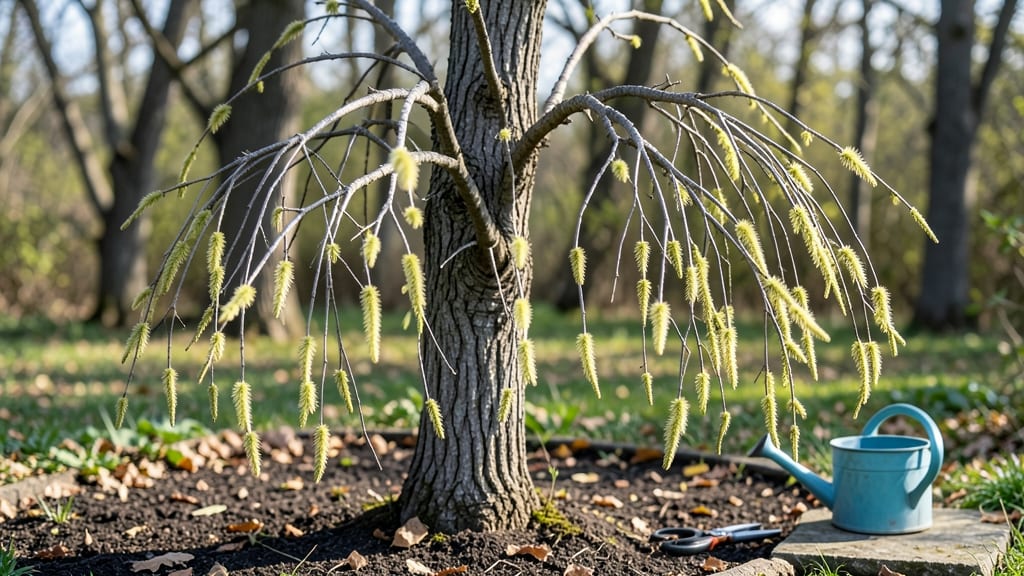
Poplar trees bloom with subtle, dangling catkins that most people overlook. 🌿 I planted mine five years ago expecting showy flowers, but these trees have a quiet charm—tiny, fuzzy clusters that appear in early spring before the leaves even unfurl.
The blooms aren't flashy, but they're a reliable sign of new growth, and they attract early pollinators like bees and butterflies.
For healthy blooms, poplars need full sun and well-draining soil—but they're surprisingly low-maintenance. Overwatering is the only real enemy here; these trees thrive on neglect once established. Pruning isn't necessary unless you're shaping the tree, and even then, minimal cuts keep them blooming year after year.
The catkins themselves aren't fragrant or edible, but they're a great early-season food source for wildlife.
Here's the surprise: poplars bloom earlier than most trees, often in late winter or early spring, giving pollinators a head start. The flowers transform into small, woody cones that add texture to the tree's year-round appeal.
Unlike many ornamental trees, poplars don't require special care to produce blooms—they just need space to grow and a little sunlight.
If you're expecting roses or magnolias, you might be disappointed—but poplars offer something different: quiet beauty with minimal effort. Their blooms might not win awards, but they're a reliable part of the garden ecosystem. Perfect for gardeners who want low-maintenance, pollinator-friendly trees that still add seasonal interest.
📚 In This Guide
- What you need
- Instructions
- Tips and common mistakes
- Wrapping up and next steps
What you need
- ● Poplar Tree Seedlings or Saplings: Choose fast-growing species like Populus deltoides or Populus nigra. Buy 1–3 healthy, disease-free plants from a nursery.
- ● Well-Draining Soil: Mix 50% topsoil with 50% compost or sand (1 cubic yard per tree). Poplars thrive in moist but not waterlogged soil.
- ● Organic Fertilizer: A balanced 10-10-10 or slow-release fertilizer (e.g., Osmocote)—apply 1–2 cups per tree at planting.
- ● Mulch: Wood chips or straw (2–3 inches deep, keep 6 inches away from the trunk to prevent rot).
- ● Watering Can or Hose: With a gentle spray nozzle for deep watering (10–15 gallons per tree, 2–3 times per week).
- ● Pruning Shears: Bypass pruners (4–6 inch blades) for shaping and removing dead branches.
- ● Gloves: Heavy-duty gardening gloves to protect hands from sap and thorns.
- ● Stake & Twine: For young saplings (1–2 stakes per tree, 3–4 feet tall).
- ○ Soil pH Test Kit: Optional but helpful—poplars prefer slightly acidic to neutral soil (pH 6.0–7.5).
- ○ Tree Guard or Protective Barrier: Wire mesh (optional) to deter animals if planting in high-traffic areas.
- ● Slow-Release Granular Fertilizer: For long-term growth (reapply annually in early spring).
How to encourage year-round poplar tree blooms with minimal pruning
Here's how I keep my poplars thriving with just a few simple seasonal checks—no heavy pruning required.
🌿 Step 1: Understand Your Poplar's Natural Growth Cycle
Poplars bloom in early spring before leaves emerge, producing small catkins that drop quickly—don't mistake them for flowers. The key to year-round interest lies in their fast growth and airy branches, not just blooms. I focus on maintaining their natural shape rather than forcing extra flowers, since poplars prioritize height and foliage over ornamental blooms.
Watch for new growth in late winter—this is your signal to adjust care. Young poplars grow 3-5 feet per year, while mature trees can shoot up 6 feet annually. That rapid growth means minimal pruning is all you need to keep them healthy and blooming season after season.
☀️ Step 2: Optimize Sunlight and Soil for Continuous Growth
Poplars thrive in full sun to partial shade, but for best blooms, aim for at least 6 hours of direct sunlight daily. I plant mine where they get morning sun and afternoon shade—this prevents stress while encouraging steady growth. The more consistent the light, the more reliably they'll produce those early spring catkins.
Soil matters more than you'd think. Poplars tolerate a wide range of conditions but bloom best in moist, well-draining soil with a slightly acidic to neutral pH. If your soil feels compacted, I add a 2-inch layer of compost in early spring to improve drainage and nutrient availability—this simple step keeps roots healthy and supports continuous growth.
💧 Step 3: Water Strategically to Support Blooming
Newly planted poplars need 1-2 inches of water weekly during their first year, but established trees are surprisingly drought-tolerant once established. The secret to encouraging blooms is consistent moisture during spring growth. I check soil moisture by sticking my finger 2 inches deep—if it feels dry, that's when I water deeply at the base.
Here's where most people go wrong: overwatering in summer. Poplars hate soggy roots, which can rot and kill the tree. Instead of frequent light waterings, I give them a deep soak every 10-14 days once established. This mimics natural rainfall patterns and keeps the tree focused on growth rather than struggling with excess moisture.
✂️ Step 4: Prune Only When Necessary
Poplars bloom best when left alone—minimal pruning is the way to go. I only prune in late winter or early spring before new growth begins. Remove any dead, diseased, or crossing branches first—these are the only cuts I make. Never prune more than 25% of the tree's canopy at once, as this stresses the tree and reduces blooming potential.
The real trick is shaping as you go. If a branch grows too close to a power line or sidewalk, I make the cut just outside the branch collar. For aesthetic shaping, I limit myself to 2-3 small cuts per year. This light approach keeps the tree healthy, encourages new growth where you want it, and maintains that natural poplar shape that supports abundant blooming.
🌱 Step 5: Fertilize Lightly for Sustained Blooms
Poplars don't need heavy fertilization, but a little help in early spring boosts blooming. I use a balanced 10-10-10 fertilizer at half strength in early March, right as new growth begins. This gives them a gentle nutrient kick without overstimulating leafy growth at the expense of flowers.
For established trees, I skip fertilizer entirely—too much nitrogen leads to excessive foliage and fewer catkins. Instead, I focus on maintaining healthy soil through annual mulching. Spread 2-3 inches of organic mulch around the base (keeping it 6 inches away from the trunk) to retain moisture and regulate soil temperature—both of which support consistent blooming year after year.
Tips & tricks for year-round poplar tree blooms
These simple strategies will help you keep your poplars flourishing with minimal effort and maximum results.
Growth Cycle Insight: The key to year-round interest isn't forcing extra blooms—it's understanding poplars prioritize growth over flowers. Their rapid growth (3-5 feet annually for young trees) means you should focus on maintaining their natural shape rather than aggressive pruning. When you notice new growth in late winter, that's your cue to adjust care—this is when they're most responsive to your efforts.
Sunlight Strategy: While poplars tolerate partial shade, those 6 hours of direct sunlight daily make all the difference for consistent blooming. I've found positioning trees to get morning sun and afternoon shade creates the perfect balance—preventing stress while encouraging steady growth. If your tree isn't getting enough light, consider thinning nearby branches or removing competing vegetation.
Watering Wisdom: The 2-inch deep soil check is your best friend—this simple test tells you exactly when to water deeply at the base. For established trees, that deep soak every 10-14 days in summer is crucial. I've learned the hard way that frequent light waterings actually stress poplars more than drought conditions. Think of it like giving them a good drink rather than sipping all day.
Pruning Precision: When you do prune (and it should be minimal), those 2-3 small cuts per year make all the difference. Always cut just outside the branch collar—this ensures proper healing and prevents disease. I've ruined several cuts by making them too close to the trunk, which created entry points for infections. Remember, poplars bloom best when left alone, so only remove dead, diseased, or crossing branches.
Pro Tips for Poplar Tree Blooms
- These simple strategies will help you keep your poplars flourishing with minimal effort and maximum results.
- Growth Cycle Insight: The key to year-round interest isn't forcing extra blooms—it's understanding poplars prioritize growth over flowers.
- Sunlight Strategy: While poplars tolerate partial shade, those 6 hours of direct sunlight daily make all the difference for consistent blooming.
Frequently asked questions
Got questions about poplar tree blooms?
You’re not alone! Here are answers to the most common inquiries—from timing to care tips—so you can enjoy your tree’s beauty year-round.
When do poplar trees bloom, and how long does it last?
Poplar trees (like cottonwoods or aspens) typically bloom in early spring (March–April), producing catkins—fluffy, pollen-rich flowers. The blooms last 2–4 weeks, but their iconic seed fluff (the "cotton" stage) appears in late spring/summer. Aspens bloom slightly later, around May.
Do poplar trees need pruning to encourage blooms?
Poplars are low-maintenance! Prune only to remove dead/diseased branches (best in late winter). Avoid heavy trimming—it stresses the tree and can reduce blooms. Focus on shaping young trees to open the canopy for airflow (and easier bloom visibility!).
Why aren’t my poplar tree’s flowers as vibrant as others?
Dull blooms often signal stress. Check for:
- Poor soil: Poplars thrive in moist, well-draining soil. Amend clay or compacted soil with compost.
- Nutrient deficiency: Yellowing leaves? Test soil for nitrogen/phosphorus. A balanced fertilizer in early spring can help.
- Overcrowding: Lack of sunlight reduces blooms. Ensure 30–50 feet of space for mature trees.
Pro tip: Mulch around the base (but avoid the trunk) to retain moisture and nutrients.
Can I grow poplar trees in containers, or do they need a yard?
Poplars are not ideal for containers—they grow 50–100 feet tall and have extensive root systems. However, dwarf varieties (like Populus ‘Nana’) can thrive in large pots (15+ gallons) for 5–10 years before transplanting. Ensure the container has drainage holes and use a fast-draining potting mix.
Are poplar blooms good for pollinators like bees?
Yes! While poplar catkins are wind-pollinated (not bee-friendly), they provide early-season nectar for bees, butterflies, and hummingbirds. For extra pollinator appeal, plant companion bloomers like willows or dogwoods nearby. Avoid spraying pesticides during bloom season!
Why does my poplar tree drop so much fluff (seed cotton)?
That’s normal! Cottonwood poplars release millions of seeds on the wind. While it’s a nuisance, it’s harmless. To reduce fluff:
- Prune in late winter to remove seed-bearing branches.
- Plant male trees (which produce more fluff) away from patios/decks.
- Rake up debris regularly to prevent mold.
Fun fact: The fluff can travel up to 125 miles—so don’t blame your neighbor’s tree!
Wrapping up and next steps
The sight of poplar tree blooms brings a touch of natural beauty to any landscape, offering year-round interest with minimal upkeep. Whether you’re drawn to their graceful foliage or their low-maintenance care, these trees are a fantastic addition for gardeners and nature lovers alike. 🌿
Ready to bring this elegant tree into your outdoor space? Start by researching the best poplar varieties for your climate, then gather your tools and materials—your future blooms will thank you! For extra inspiration, explore local nurseries or online resources to find the perfect match for your garden’s vision.