
Blooming
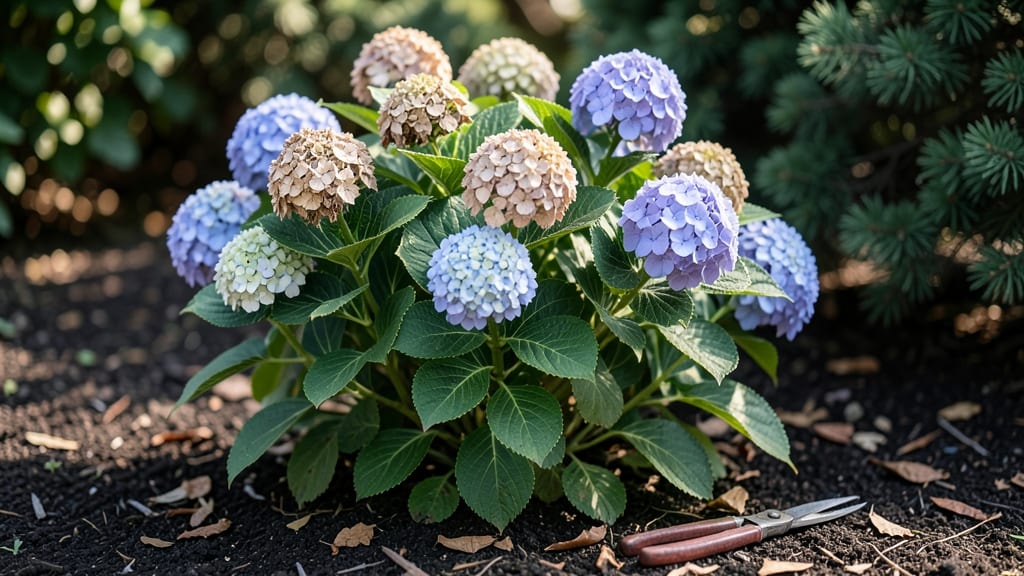
Your Pop Star reblooming hydrangea could be putting on a second show this summer if you act now. 🌸 The secret lies in waking up those dormant stems—something I learned the hard way after my first plant gave up on reblooming after a late spring frost.
This variety isn’t just pretty; it’s a two-time performer, with the right care giving you blooms from early summer through fall.
The magic starts with morning sun and afternoon shade—too much direct heat stresses the plant, while consistent moisture keeps those stems plump and ready to bloom. I’ve found that mulching in late spring (after the last frost) helps regulate soil temperature, which is key for bud formation.
The soil should stay evenly moist but never soggy—think of it like a well-watered sponge, not a swamp.
Here’s the game-changer: prune in late winter or early spring (before new growth starts) to remove dead wood and shape the plant. Cut back one-third of the oldest stems to encourage fresh growth—this is where the second flush of blooms will appear.
By mid-summer, you’ll see those bold pink buds forming again, ready to steal the show.
Watch for aphids or powdery mildew—both love hydrangeas. A quick spray of neem oil or horticultural soap keeps pests at bay without harming pollinators. And if your buds fail to open?
It’s usually too much shade or inconsistent watering—adjust and give it another try next season. This plant rewards patience with months of drama—worth every extra step.
📚 In This Guide
- What you need
- Instructions
- Tips and common mistakes
- Wrapping up and next steps
What you need
- ● Pop Star Reblooming Hydrangea: 1 mature plant (ensure it’s healthy and at least 2–3 years old for best results).
- ● Pruning shears: Sharp, clean, and sterilized (rubbing alcohol or bleach solution works).
- ● Gloves: Heavy-duty gardening gloves (hydrangeas can be thorny!).
- ○ Pruning sealant (optional but recommended): A product like Tanglefoot Tree Wound Pruning Sealer to protect cuts.
- ● Fertilizer: A balanced, slow-release granular fertilizer (10-10-10 or 20-20-20) or an acid-loving plant formula.
- ● Mulch: 2–3 inches of organic mulch (pine bark, wood chips, or shredded leaves).
- ● Watering can or hose: With a gentle spray nozzle for post-pruning hydration.
- ● Calendar or reminder app: To track pruning and fertilizing deadlines!
- ● Plant food spikes: For a slow-release nutrient boost.
- ● Epsom salt: 1 tbsp per gallon of water (monthly foliar spray for magnesium).
- ● Plant support stakes: If your hydrangea is top-heavy post-pruning.
- ● pH test kit: To ensure soil acidity (ideal range: 5.2–6.0).
- ● Compost or worm castings: For extra organic matter in the soil.
Step-by-Step instructions for reviving Pop Star reblooming hydrangea
Here's the method I rely on to coax a second stunning bloom cycle from your dormant stems.
🌿 Step 1: Prune Old Wood to Stimulate New Growth
Start by removing any dead, diseased, or crossing stems at the base using clean, sharp pruners. I always cut back to just above a leaf node or outward-facing bud to encourage branching. The goal is to create an open center that allows air circulation and sunlight penetration—this prevents fungal issues and encourages vigorous new growth.
For Pop Star hydrangeas specifically, focus on stems that are completely brown and brittle. These won't recover, so removing them redirects the plant's energy toward healthier stems. If you're unsure which stems are dead, scratch the bark with your fingernail—if it's dark underneath, it's dead. You'll know you're on the right track when you see fresh green growth emerging from the base after pruning.
☀️ Step 2: Provide Optimal Light and Water Conditions
Pop Star hydrangeas thrive in partial shade to full sun (6-8 hours daily), but they need consistent moisture to produce those dramatic blooms. Water deeply once or twice weekly until the top 6 inches of soil feels moist—this encourages deep root growth. I like to use a 5-gallon watering can to ensure thorough saturation without creating soggy conditions.
Here's the thing—hydrangeas are sensitive to moisture fluctuations. If the soil dries out completely between waterings, buds may drop before opening. To check moisture levels, stick your finger into the soil 2-3 inches deep—if it feels dry, it's time to water. Mulch around the base with 2-3 inches of organic mulch to retain moisture and regulate soil temperature, which helps maintain consistent growth.
💧 Step 3: Fertilize for Strong Stem and Bloom Development
Feed your hydrangea with a balanced, slow-release fertilizer (10-10-10 ratio) in early spring and again after the first flush of blooms fades. I apply ½ cup of granular fertilizer spread evenly over the root zone, then water it in thoroughly. This timing ensures the plant has the nutrients it needs to produce strong stems and abundant flowers for the second flush.
For extra drama, I also add a handful of compost to the soil surface in late spring. This boosts microbial activity in the root zone, which helps the plant absorb nutrients more efficiently. Avoid high-nitrogen fertilizers—they promote leafy growth at the expense of flowers. You'll see new buds forming along the current season's growth within 4-6 weeks of fertilizing, signaling that your efforts are paying off.
⏰ Step 4: Monitor and Protect for Second Bloom Success
Watch for new shoots emerging from the base or along the stems—these are your second-flush blooms in the making. Pop Star hydrangeas often produce smaller but equally vibrant flowers on these later stems. To encourage more blooms, pinch back the tips of new growth by ⅓ when they reach 6-8 inches tall. This redirects energy toward flower production instead of vertical growth.
Protect your hydrangea from late-season heatwaves by providing afternoon shade if temperatures exceed 90°F. Heat stress can cause buds to dry out before opening. You'll know your plant is thriving when it consistently produces 3-4 inches of new growth per week and develops multiple flower buds along the stems. With proper care, you'll enjoy a second round of those show-stopping blooms by mid-to-late summer.
Tips & tricks for reviving Pop Star hydrangeas
A few strategic moves will transform your dormant Pop Star hydrangea into a second-season showstopper.
Pruning Precision: When cutting back dead stems in Step 1, make your cuts at a 45-degree angle just above a leaf node or outward-facing bud. This angled cut prevents water from pooling on the wound, reducing fungal risks. I've seen gardeners accidentally cut too close to the bud—this can prevent new growth from emerging. The goal is to create clean, angled cuts that expose fresh tissue while maintaining the plant's natural growth pattern.
Light and Water Balance: The 6-8 hours of sunlight in Step 2 is ideal, but timing matters. Morning sun with afternoon shade works best in hot climates—hydrangeas can scorch in intense afternoon rays. For watering, focus on deep, infrequent waterings rather than light daily sprinkles. The top 6 inches of soil should feel moist, but soggy conditions invite root rot. I've found that watering in the early morning gives roots time to absorb moisture before evaporation.
Fertilizer Timing: The 4-6 week window after fertilizing in Step 3 is when magic happens. This is when your hydrangea shifts energy from leaf production to flower development. I recommend applying the fertilizer in early spring when new growth first appears, then again after the first blooms fade. Avoid late-season fertilizing—it can stimulate tender new growth that won't survive winter frosts. For extra drama, mix a handful of compost into the soil surface to boost microbial activity.
Heat Protection Strategy: When temperatures exceed 90°F in Step 4, provide afternoon shade using shade cloth or by positioning the plant where it receives filtered light. I've seen hydrangeas develop sunburned leaves when exposed to full afternoon sun during heatwaves. Watch for buds that appear dry or papery—they're telling you it's time to move the plant to a cooler location or provide temporary shade.
Pro Tips for Pop Star Reblooming Hydrangea
- A few strategic moves will transform your dormant Pop Star hydrangea into a second-season showstopper.
- Pruning Precision: When cutting back dead stems in Step 1, make your cuts at a 45-degree angle just above a leaf node or outward-facing bud.
- Light and Water Balance: The 6-8 hours of sunlight in Step 2 is ideal, but timing matters.
Frequently asked questions
Got questions about coaxing a second showstopping bloom from your Pop Star reblooming hydrangea? You’re not alone!
Here are the answers to the most common queries—so you can keep those lush, vibrant blooms coming all season long.
How do I know if my Pop Star hydrangea is truly reblooming?
Reblooming hydrangeas like Pop Star produce two flushes of flowers: the first on last year’s wood (early summer) and the second on new growth (late summer/fall). Look for fresh, vibrant blooms forming on current-year stems—these are your rebloom signs! If you see mostly old wood blooms, it might need pruning adjustments.
When is the best time to prune for reblooming?
Prune Pop Star hydrangeas right after flowering (late summer) to encourage new growth for next year’s blooms. Avoid heavy pruning in early spring—this removes next year’s flower buds! Lightly trim dead or weak stems in early spring to tidy up, but save major cuts for post-bloom season.
Why aren’t my reblooming stems producing flowers?
Several factors could be at play: Pop Star hydrangeas need full sun to partial shade, consistent moisture, and balanced fertilizer (low phosphorus). Check for over-pruning (cutting back too early or too hard) or nutrient deficiencies. If stems are leggy or sparse, boost nitrogen in early spring to promote healthy growth.
Can I force reblooming in colder climates?
While Pop Star is hardy (zones 4–9), cold snaps can stunt reblooming. Protect plants with mulch in winter and light row covers during late frosts. If blooms are minimal, focus on spring care: fertilize, water deeply, and prune lightly to encourage new growth. Patience pays off—reblooming takes time to establish!
What’s a good alternative if reblooming fails?
If your Pop Star struggles with reblooming, try these low-maintenance alternatives:
- Endless Summer hydrangeas (more forgiving rebloomers).
- Limelight or Vanille Fraise (disease-resistant, reliable bloomers).
- Panicle hydrangeas (like Little Lime) for late-summer drama.
Each offers stunning blooms with varying care needs—pick based on your climate and sunlight!
Wrapping up and next steps
Ready to turn your Pop Star Reblooming Hydrangea into a showstopper? 🌸 With the right care—like strategic pruning, balanced nutrients, and patience—you can coax a second flush of drama that rivals its first bloom.
This isn’t just gardening; it’s a love letter to your plants, and the results? Worth every effort.
Now, grab those shears and get pruning! Start your hydrangea revival today—your garden’s next headline-worthy moment is just a trim away. 🌿✨