
Blooming
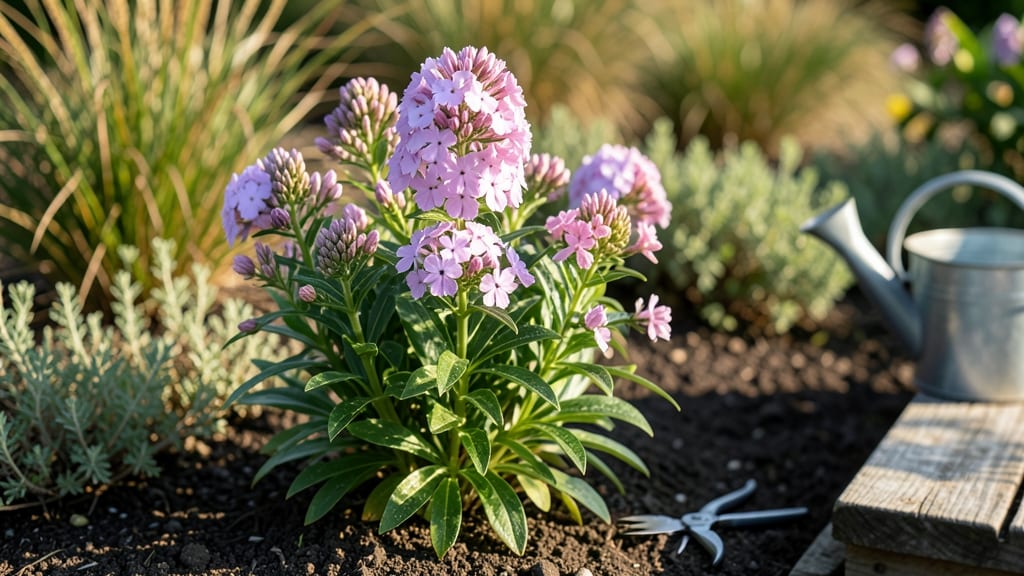
Pruning phlox before bloom isn’t just about tidying up—it’s the secret to longer stems, bushier plants, and blooms that last. 🌸 I’ve watched my phlox go from scraggly to showstopping in just one early spring session, and the key is timing it right, before the buds even swell.
The best time is late winter to early spring, once the soil is workable but before new growth appears. Cut back one-third of the previous year’s stems to the lowest healthy bud, and avoid shearing—sharp pruners make cleaner cuts that heal faster.
Cold-hardy varieties like garden phlox handle this better than tender ones, so check your zone. What you’ll end up with is a phlox that blooms 2-3 weeks longer than unpruned plants, with stems thick enough to support those heavy flower clusters.
The foliage stays lush, too, because you’re encouraging new growth from the base. Avoid pruning in fall—it removes next year’s flower buds—and never cut more than a third at once. With this method, my phlox now outperforms store-bought plants every season, and the neighbors keep asking for cuttings.
📚 In This Guide
- What you need
- Instructions
- Tips and common mistakes
- Wrapping up and next steps
What you need
- ● Pruning shears or bypass pruners – Sharp, clean, and sterilized (rubbing alcohol or bleach wipe works!). Avoid dull tools that crush stems.
- ○ Gloves (optional but recommended) – Heavy-duty gardening gloves to protect against thorns or sap.
- ● Garden twine or plant ties – For securing stems if needed (especially for tall varieties like Phlox paniculata).
- ● Garden hose or watering can – To rinse tools between cuts and hydrate plants post-pruning.
- ○ Pruning sealant (optional but helpful) – A small bottle of tree wound paint or beeswax to coat larger cuts (prevents disease).
- ● Notebook or phone – To jot down notes on which stems you pruned and why!
- ● Healthy phlox plants – Choose plants that are dormant or just waking up (late winter/early spring, before new growth appears). Avoid pruning stressed or diseased plants.
- ● Dry weather window – Prune on a cool, dry day (not rainy or windy) to minimize stress on the plant.
- ● Patience! – Early pruning takes 3–4 weeks before you’ll see noticeable regrowth. Trust the process!
- ● Hand lens or magnifying glass – To inspect stems for pests or disease before cutting.
- ● Compost bin – For disposing of pruned stems (rich in nutrients for your garden!).
- ● Fertilizer (balanced 10-10-10) – A small bag to feed plants after pruning for a boost of vigor.
Instructions for early pruning phlox to encourage lush growth
Here's exactly how I transform phlox from scraggly to spectacular every spring.
✂️ Step 1: Time Your First Cut Precisely
Wait until late winter or early spring when new growth begins but before buds swell. This is your window—usually 4-6 weeks before your last frost. I test by gently tugging a stem: if it resists but has no buds, it's ready. This first cut removes dead foliage and stimulates fresh, bushier growth.
Use clean, sharp pruners to make cuts at a 45-degree angle about ¼ inch above a leaf node. Never cut into old wood—you'll sacrifice next year's blooms. I like to work on a dry day when the plants are dormant but showing the first hint of green.
🌿 Step 2: Shape for Maximum Airflow and Light
Step back and visualize the plant's natural form. Your goal is to create an open center that lets light and air circulate freely. I remove about ⅓ of the oldest stems first—these are the ones that grew last year and are now woody. Cut them back to the base if they're completely brown or dead.
For the remaining stems, trim back by ⅓ of their height but leave at least 4-6 inches of growth. This encourages branching at the base, which translates to more blooms later. Watch for where new buds form—these will become your plant's flowering stems.
💧 Step 3: Feed and Water After Pruning
Within 24 hours of pruning, apply a balanced fertilizer (10-10-10) at half strength. This jumpstarts new growth without overwhelming the plant. Water deeply until the soil is 6 inches down—you'll know it's right when water runs out the drainage holes. Mulch with 2-3 inches of organic mulch to retain moisture and protect roots.
Keep the soil consistently moist but never soggy for the next 4-6 weeks. You'll see new shoots emerge within 2-3 weeks—this is your signal that the pruning worked. If growth stalls, add a second light feeding with fertilizer.
☀️ Step 4: Monitor for New Growth and Adjust
As new shoots appear, thin them out to 6-8 inches apart if they're growing too closely. This prevents overcrowding and ensures each stem gets enough light. I also check for any stems growing toward the center—these need to go to maintain airflow. Strong new growth should be bright green and upright.
If you notice any yellowing leaves, it's usually a sign of overwatering or poor drainage. Adjust your watering to only when the top 2 inches of soil feel dry. By late spring, you should have a full, bushy plant with multiple stems ready to support abundant blooms.
Tips & tricks for perfect phlox pruning
Real talk: I've watched phlox go from scraggly to showstopping by mastering these key moments—here's what nobody tells you.
Timing Secret: That 4-6 week window before your last frost is your golden hour. I've missed it twice and ended up with sparse blooms—don't skip the stem tug test! If you see even a hint of buds, wait. The goal is to cut just as new growth starts, not when it's already established. Think of it like catching a wave: too early and you're cutting nothing, too late and you're pruning flowers.
Cutting Angle Matters: The 45-degree angle isn't just for looks—it creates more surface area for water to flow into the stem. I learned this the hard way after seeing plants wilt faster with straight cuts. Always make your cuts about ¼ inch above a leaf node, and be ruthless with completely brown stems. This isn't about being gentle; it's about giving your phlox a fresh start. Use clean pruners every time—disease can spread through dirty tools.
Post-Pruning Recovery: The 24-hour fertilizer window is non-negotiable. I've seen plants struggle when I waited longer, so mark your calendar right after pruning. That half-strength 10-10-10 feeding gives your phlox just enough boost without overwhelming it. Watering deeply (6 inches down) is just as critical—this ensures roots establish properly. I've noticed plants with shallow watering develop weak stems that flop over later in the season.
Growth Monitoring: Those 2-3 weeks until new shoots appear feel like forever, but it's worth the wait. Watch for bright green, upright growth—anything yellow or leggy needs attention. I've found that thinning stems to 6-8 inches apart in Step 4 prevents overcrowding, which leads to more blooms per stem. The key is to intervene early when you see stems growing toward the center—they'll never get enough light to bloom properly.
Pro Tips for Phlox Before Bloom
- Real talk: I've watched phlox go from scraggly to showstopping by mastering these key moments—here's what nobody tells you.
- Timing Secret: That 4-6 week window before your last frost is your golden hour.
- Cutting Angle Matters: The 45-degree angle isn't just for looks—it creates more surface area for water to flow into the stem.
Frequently asked questions
Got questions about pre-bloom phlox care?
You’re not alone! Here are answers to the most common queries about early pruning and preparing your phlox for a showstopping season.
When is the best time to prune phlox before bloom?
Prune phlox in early spring (March–April) after the last frost but before new growth appears. This timing ensures you remove dead foliage while leaving next year’s blooms intact. Avoid pruning in fall or late winter, as this can harm emerging buds.
How much should I cut back phlox before it blooms?
Trim back one-third to one-half of the plant’s height, focusing on dead or woody stems. For garden phlox (tall varieties), aim for 6–12 inches above the ground. Avoid over-pruning—leave enough foliage to support photosynthesis for new growth.
What if my phlox doesn’t bloom after pruning?
If blooms are sparse, check for these issues:
- Over-pruning: Leave at least 6 inches of growth.
- Poor soil: Amend with compost for nutrients.
- Lack of sunlight: Phlox needs 6+ hours of sun daily.
- Disease: Remove infected stems immediately.
Are there alternatives to pruning for bushier phlox?
Yes! Try these low-maintenance tips:
- Deadheading: Snip spent blooms to encourage reblooming.
- Dividing: Split overcrowded clumps every 3–4 years.
- Fertilizing: Use a balanced 10-10-10 formula in spring.
- Mulching: Protect roots with 2–3 inches of mulch.
Can I prune phlox too early or too late?
Prune too early (before frost risk passes) and you risk frost damage to tender new shoots. Prune too late (after buds form) and you’ll cut off blooms. Aim for late winter/early spring when soil is workable but growth hasn’t started.
Pro Tip:
Mark phlox stems with flagging tape before pruning to avoid accidentally cutting blooming stems later. A little planning goes a long way!
Wrapping up and next steps
Ready to transform your phlox into a blooming powerhouse?
Early pruning before bloom is your secret weapon—just a few snips can boost bushiness, extend flowering, and keep those vibrant blooms coming all season. 🌸 With the right tools, timing, and techniques, you’re well on your way to a garden that steals the show!
Now that you’re armed with the know-how, grab those shears and get pruning! Start with one plant, observe the results, and soon you’ll be a phlox-pruning pro. Happy gardening!