
Blooming
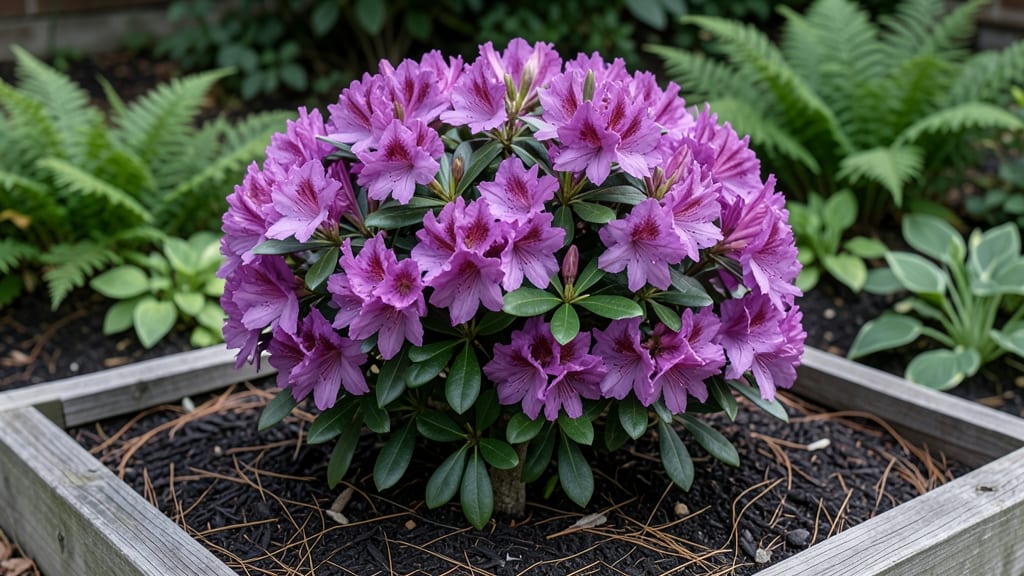
Nothing says "I’ve cracked the code" like a Perfecto Mundo Double Purple Reblooming Azalea that throws out vibrant purple blooms twice a year without you lifting a finger. 🌸 I’ve grown my share of finicky azaleas, but this one?
It’s the foolproof variety that rewards even the most forgetful gardener with lush, double-layered flowers from spring through fall—and sometimes into winter if you’re lucky.
The secret lies in its reblooming magic, which skips the usual deadheading drama. Unlike traditional azaleas that demand constant pruning to encourage new blooms, this variety just keeps flowering—no fuss, no guesswork.
All you need is morning sun, acidic soil, and consistent (but not soggy) water, and it’ll reward you with deep purple clusters that look like they belong in a botanical garden, not your backyard.
By summer’s end, you’ll have a bush so packed with blooms it’ll make neighbors ask for cuttings. The foliage stays glossy and healthy, and the flowers—thick, layered petals—hold up to rain and humidity better than most.
Even my black thumb can’t kill this one, which is saying something after last year’s fiasco with my camellias.
Works in containers or garden beds, thrives in zones 6-9, and pairs beautifully with hostas or ferns for that shady-garden drama. Here’s how to keep it looking like a million bucks with minimal effort—because perfection shouldn’t require a PhD in horticulture.
📚 In This Guide
- What you need
- Instructions
- Tips and common mistakes
- Wrapping up and next steps
What you need
- ● Perfecto Mundo Double Purple Azalea Plants: 1–3 plants (depending on desired coverage). Choose reblooming varieties for year-round color!
- ● Well-draining acidic soil: Aim for a pH of 4.5–6.0. Mix in peat moss, pine bark fines, or composted leaves if your soil is alkaline.
- ● Organic mulch: 2–3 inches of pine straw, wood chips, or shredded bark to retain moisture and acidity.
- ● Slow-release fertilizer: A 10-10-10 or 8-3-9 blend (azalea-specific if available). Apply twice a year (spring & fall).
- ● Watering can or hose with a gentle spray nozzle: Azaleas hate soggy roots—keep soil consistently moist but not waterlogged.
- ● Pruning shears (sterilized): Sharp, clean tools to shape plants after blooming (never cut into old wood!).
- ● Garden gloves: Protect your hands while handling soil and plants.
- ● Azalea-specific liquid fertilizer: For a mid-season boost (e.g., Miracle-Gro Azalea, Camellia & Rhododendron Food).
- ● Soil pH test kit: Ensure your soil stays in the ideal acidic range.
- ● Slow-release sulfur pellets: If your soil tests too alkaline, these help lower pH gradually.
- ● Decorative rocks or edging: For a polished look around your azalea bed.
- ● Shade cloth (30–50% coverage): Protect young plants from harsh afternoon sun in hot climates.
Step-by-step instructions for cultivating Perfecto Mundo double purple azaleas
Here's how to coax year-round blooms from this stunning variety—no deadheading required.
🌱 Step 1: Select the Ideal Planting Location
Perfecto Mundo thrives in partial shade with morning sun and afternoon shade—think 4-6 hours of direct sunlight daily. Too much sun scalds the delicate blooms, while too little shade weakens flowering. I always plant mine where dappled light filters through taller trees or near a north-facing wall.
This azalea loves acidic, well-draining soil with a pH between 4.5 and 5.5. Test your soil first—if it's alkaline, amend with peat moss or sulfur before planting. The roots hate soggy conditions, so avoid low spots where water pools. If your yard has heavy clay, mix in pine bark fines to improve drainage.
🪴 Step 2: Plant with Precision for Long-Term Health
Dig a hole twice as wide as the root ball but only as deep as the container. The top of the root ball should sit 1 inch above ground level—burying too deep suffocates the roots. Gently loosen the roots if they're circling the pot, then place the plant in the hole.
Backfill with a mix of native soil and peat moss (50/50 ratio) to maintain acidity. Water deeply to settle the soil, then add a 2-inch layer of pine bark mulch around the base. Keep mulch 6 inches away from the trunk to prevent rot. This mulch layer mimics the forest floor where azaleas naturally grow, retaining moisture while protecting roots.
☀️ Step 3: Water Strategically for Continuous Blooms
Water deeply once a week during the growing season, aiming for 1-1.5 gallons per plant. The soil should dry out 2-3 inches deep between waterings—stick your finger in to check. Overwatering causes root rot, while underwatering stresses the plant and reduces flowering. In summer heat, increase to twice weekly but always let the topsoil dry slightly first.
For year-round blooms, I fertilize monthly with an acid-loving plant food (like Miracle-Gro Azalea, Camellia & Rhododendron Food) from spring through fall. Stop fertilizing in late fall and winter—the plant needs dormancy to rebloom vigorously. Always water before applying fertilizer to prevent root burn.
✂️ Step 4: Prune for Shape and Encourage Reblooming
Prune right after flowering (late spring) to shape the plant and encourage next year's blooms. Remove only dead, crossing, or overly long branches—never cut back more than one-third of the plant's height at once. Use clean, sharp pruners to make 45-degree cuts just above a leaf node.
I avoid heavy pruning in fall or winter—this variety blooms on old wood, so pruning too late removes next year's flower buds. If you notice leggy growth, trim back selective branches to the nearest outward-facing bud. This keeps the plant compact while maintaining that lush, double-purple display.
🌿 Step 5: Protect and Maintain for Year-Round Color
In winter, protect young plants from freezing winds with a burlap wrap or evergreen boughs. Mature plants handle cold well, but sudden temperature swings can shock the blooms. If your winters dip below 10°F, add a lightweight frost cloth over the plant for extra insulation.
Watch for lace bugs or spider mites—common pests that suck plant juices and cause yellowing. Spray with neem oil at the first sign of trouble. I also monitor for powdery mildew in humid summers and treat with baking soda spray (1 tsp baking soda + 1 quart water + a drop of dish soap) to keep leaves healthy and blooms vibrant.
Tips & tricks for Perfecto Mundo double purple azaleas
Between us, these stunning blooms are worth the extra effort—and I’ve learned a few tricks to make sure yours thrive year-round without the fuss.
Soil pH is non-negotiable: While the instructions call for a pH between 4.5 and 5.5, I recommend testing your soil before planting. If your yard’s naturally alkaline, mix in sulfur or peat moss at planting time—this isn’t just about blooms, it’s about survival. I’ve seen Perfecto Mundo plants struggle in soil with even a slightly higher pH, so don’t skip this step. For a quick fix, use cottonseed meal as a slow-release acidifier during the growing season.
Light balance is everything: The 4-6 hours of morning sun is critical, but here’s what nobody tells you—if your azalea gets too much afternoon sun, the blooms will scorch. I’ve planted mine under a tall maple tree where the branches filter light in the hottest part of the day. If you don’t have natural shade, a lightweight shade cloth (30-50%) during peak afternoon hours works wonders. This is especially important in summer when temperatures climb.
Fertilizer timing matters: The monthly feeding schedule from spring through fall is spot-on, but I’ve found that applying fertilizer after watering—rather than before—prevents root burn. Also, if you notice new growth slowing in late summer, switch to a low-nitrogen, high-phosphorus fertilizer to encourage more blooms for fall reblooming. The key is to stop fertilizing by late fall to let the plant rest—this is when the magic happens for next year’s flowers.
Winter protection has layers: For those 10°F nights, I don’t just rely on frost cloth. I wrap young plants in burlap first to block wind, then add frost cloth on top. For mature plants, a thick mulch layer (3-4 inches) around the base provides extra insulation. If you’re in a particularly harsh climate, consider planting near a south-facing wall where the plant benefits from reflected sunlight during the day and shelter at night.
Pro Tips for Perfecto Mundo Double Purple Reblooming Azalea
- Between us, these stunning blooms are worth the extra effort—and I’ve learned a few tricks to make sure yours thrive year-round without the fuss.
- Soil pH is non-negotiable: While the instructions call for a pH between 4.5 and 5.5, I recommend testing your soil before planting.
- Light balance is everything: The 4-6 hours of morning sun is critical, but here’s what nobody tells you—if your azalea gets too much afternoon sun, the blooms will scorch.
Frequently asked questions
about the Perfecto Mundo Double Purple Reblooming Azalea—because every gardener deserves clarity! Here are answers to the most common questions to help you grow this stunning shrub with confidence.Why does my Perfecto Mundo Azalea only bloom once a year?
This variety is reblooming, meaning it can produce flowers twice a year—typically spring and fall—if given the right care. Overwatering, poor drainage, or insufficient sunlight can stunt reblooming. Ensure well-draining soil, partial shade (4–6 hours of sun), and consistent moisture for best results. Prune lightly after blooming to encourage new growth.
How long does it take for Perfecto Mundo to rebloom after the first flush?
With ideal conditions, you can expect a second bloom 6–8 weeks after the first. Reblooming depends on temperature, sunlight, and soil health. In cooler climates, fall blooms may appear earlier (late summer). If blooms are sparse, check for over-fertilizing with high nitrogen (which promotes leaves over flowers) or root-bound pots.
Can Perfecto Mundo survive in hot, dry climates?
While it thrives in USDA Zones 7–9, this azalea prefers humidity and protection from scorching sun. In hot/dry areas, plant it where it gets morning sun + afternoon shade, mulch heavily, and water deeply 2–3 times per week. Avoid letting soil dry out completely. A light misting in the evening can also help mimic its natural habitat.
What’s the easiest way to propagate Perfecto Mundo Azaleas?
Use softwood cuttings in late spring/early summer for the best success. Take 4–6 inch tips, dip in rooting hormone, and plant in a mix of peat moss and perlite. Keep humidity high (use a plastic bag) and maintain 60–70°F soil temps. Roots typically form in 4–8 weeks. Layering is another method but takes longer.
Why are my Perfecto Mundo flowers dropping early?
Early flower drop is often caused by stress—check for these culprits:
- Underwatering: Soil should stay evenly moist (not soggy).
- Temperature swings: Protect from late frosts (<32°F) or extreme heat.
- Transplant shock: If recently planted, avoid heavy pruning or fertilizing for 4–6 weeks.
- Pests: Inspect for aphids or spider mites (spray with neem oil if needed).
Are there non-reblooming azalea alternatives with similar color?
If reblooming feels like too much work, try these deep purple doubles that bloom once but stunningly:
- George L. Taber: Classic purple, cold-hardy (Zone 5), and low-maintenance.
- Heritage: Fragrant, deep pink-purple blooms, thrives in heat.
- Otto Luyken series: Compact, mounding, and dwarf varieties like ‘Purple Snow’.
Wrapping up and next steps
The Perfecto Mundo Double Purple Reblooming Azalea is a stunning addition to any garden, offering year-round bursts of color with minimal effort. Its low-maintenance nature—like zero deadheading—makes it ideal for both beginners and seasoned gardeners alike.
Whether you're drawn to its vibrant blooms or its resilience, this azalea is a dream come true for vibrant, hassle-free landscaping.
Ready to transform your outdoor space? Start by selecting the perfect spot—whether it’s a sunny patio or a shaded corner—and watch your garden thrive with effortless beauty! 🌸✨