
Blooming
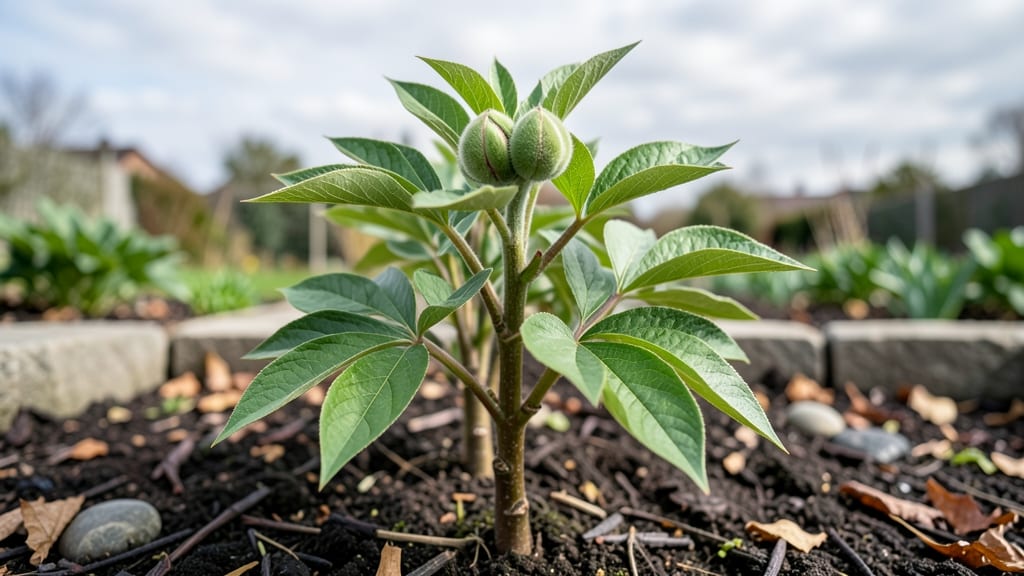
Your peony bush before bloom is where the magic happens—prune at the right time, and you’ll get bold, lush blooms that last for weeks. ✨ I learned the hard way that cutting too early or too late can rob you of those showstopping flowers.
The secret lies in timing: wait until late winter or early spring when the stems are still dormant but the buds are swelling.
Start by removing last year’s dead stems—they’re easy to spot because they’re brown and brittle. Then, look for green shoots peeking through the soil; these are your future blooms. Snip just above the first set of healthy buds, leaving at least 2-3 inches of stem.
This gives your plant energy to push out strong new growth without weakening the flower buds.
After pruning, give your peony a light feeding with a balanced fertilizer (10-10-10) to encourage root and bud development. Avoid heavy fertilizers now—they can delay blooming. Watch for pests like peony sawfly larvae (tiny green caterpillars) and treat them early with neem oil if you spot them.
By mid-April, your bush should be full of plump, furry buds ready to burst into color. The key is patience—if you prune too late, you risk cutting off next year’s blooms. Trust the process, and you’ll have a dramatic summer display that makes every early-morning check worth it.
📚 In This Guide
- What you need
- Instructions
- Tips and common mistakes
- Wrapping up and next steps
What you need
- ● Pruning shears or loppers – Choose bypass pruners (sharp, clean blades) for clean cuts. Size: 6-8" for small stems, 10-12" loppers for thicker branches.
- ● Disinfectant (70% isopropyl alcohol or bleach solution) – 1 part bleach to 9 parts water to sterilize tools and prevent disease spread.
- ● Garden gloves – Heavy-duty, cut-resistant (e.g., Mechanix or Wolverine) to protect hands from thorns and debris.
- ○ Pruning saw (optional but helpful) – For thick, woody stems over 1" in diameter. Spec: Curved blade for smooth cuts.
- ● Garden twine or labels – Biodegradable twine to mark pruned sections if needed.
- ● Compost or mulch – 2-3 inches of organic mulch (e.g., shredded bark or straw) to protect roots post-pruning.
- ● Hand lens or magnifying glass – To inspect stems for pests/disease before pruning.
- ● Knee pad or stool – For comfort if your peony bush is tall or dense.
- ● Garden hose with nozzle – To rinse tools and stems after pruning (reduces sap splatter).
- ● Fertilizer (balanced 10-10-10 or peony-specific) – 1 tbsp per plant after pruning to boost growth.
Step-by-step instructions for early peony pruning
Here's how to prepare your peony bushes for their best blooms yet—timing and technique matter most.
✂️ Step 1: Wait for the Right Time to Prune
Never prune peonies in fall or winter—you'll cut off next year's buds. Instead, wait until late winter or early spring, just as new shoots begin to emerge from the ground. This is typically 3-4 weeks before your last frost date, when soil is workable but still cool. You'll know it's time when you see green shoots poking through the soil—they're about 1-2 inches tall.
Real talk: I've seen gardeners prune too early, and the bushes produce fewer blooms. The key is patience. If you prune too soon, you risk cutting back next season's flower buds before they've formed. If you wait too long, you may encourage fungal diseases by leaving dead foliage too late.
🌱 Step 2: Remove Only the Dead and Diseased Foliage
Start by cutting back only the brown, dead stems from last season. Use clean, sharp pruners to make a clean cut 1-2 inches above the soil line. Avoid cutting into the crown or healthy growth—peonies are tough but not indestructible. I like to work when the ground is dry to prevent mud from sticking to the stems, which can introduce pathogens.
Look for any stems that look mushy, blackened, or covered in mold—these are signs of botrytis blight, a common peony disease. Remove these immediately and dispose of them in the trash, not your compost pile. Healthy stems should be firm and slightly woody. If you're unsure, cut it—you can always leave more next time.
✂️ Step 3: Thin Out Crowded Stems for Better Blooms
Peonies naturally produce multiple stems from the same crown. To encourage larger, stronger blooms, thin out the stems so you're left with 3-5 of the strongest, healthiest stems per bush. Remove the weakest stems at the base, cutting them off completely. This might seem drastic, but it redirects the plant's energy into fewer, more spectacular blooms.
Here's the thing—if you leave too many stems, the plant spreads itself too thin, resulting in smaller, weaker flowers. I always prioritize stems that are thickest at the base and have the most upright growth. After thinning, step back and admire your bush—it should look open and airy, not congested.
💧 Step 4: Apply a Layer of Mulch and Fertilizer
After pruning, spread a 2-3 inch layer of organic mulch around the base of the plant, keeping it 6 inches away from the crown to prevent rot. I use shredded bark or straw because they break down slowly and improve soil structure over time. This mulch layer helps retain moisture, regulate soil temperature, and suppress weeds.
Now's also the time to apply a balanced, slow-release fertilizer (like 10-10-10) around the drip line of the bush. Peonies aren't heavy feeders, but a little boost in early spring encourages strong root and stem growth. Water the area thoroughly after applying fertilizer to help it penetrate the soil. Avoid over-fertilizing—too much nitrogen leads to leafy growth at the expense of flowers.
☀️ Step 5: Monitor for New Growth and Adjust Care
Once you've pruned, keep an eye on your peony bushes for the first signs of new growth. Within 2-3 weeks, you should see fresh green shoots emerging from the crown. This is your signal that the plant is happy and ready for the growing season. If growth is slow or stunted, check for signs of stress like yellowing leaves or wilting stems.
Here's what I do next: I water deeply once a week during dry spells, aiming for 1 inch of water per week. Peonies are drought-tolerant once established, but consistent moisture helps them establish strong roots. Avoid overhead watering, which can encourage fungal diseases. Instead, water at the base of the plant early in the morning so the foliage has time to dry.
Tips & tricks for perfect peony pruning before bloom
Timing and precision make all the difference when preparing your peony bushes for their showstopping summer display.
Timing Secret: The 3-4 week window before your last frost date is critical—this ensures new shoots have emerged but aren't yet vulnerable to late frosts. I check for those 1-2 inch green shoots as my go-to signal. If you're unsure about your frost date, consult your local cooperative extension service—they provide precise frost data for your region. This timing prevents cutting off next year's flower buds while avoiding fungal risks from lingering dead foliage.
Tool Technique: Never use dull pruners—they crush stems and create jagged cuts that invite disease. I invest in high-quality bypass pruners and sharpen them annually. For larger stems, I use loppers with a 45-degree angle cut just above a bud or branch collar. Always disinfect your tools between cuts with rubbing alcohol to prevent spreading pathogens. This simple step keeps your peony bushes healthier for years.
Thinning Strategy: When selecting which stems to keep in Step 3, focus on stems that are at least pencil-thick at the base and show vigorous growth. I actually label my strongest stems with small plant tags to identify them later—this prevents accidental removal during future maintenance. Remember, you can always thin more later in the season, but you can't add back what you remove now. The goal is to create an open center that allows air circulation and sunlight penetration.
Pro Tips for Peony Bush Before Bloom
- Timing and precision make all the difference when preparing your peony bushes for their showstopping summer display.
- Timing Secret: The 3-4 week window before your last frost date is critical—this ensures new shoots have emerged but aren't yet vulnerable to late frosts.
- Tool Technique: Never use dull pruners—they crush stems and create jagged cuts that invite disease.
Frequently asked questions
about your peony bush before bloom—because even pros need a little guidance! Here are answers to the most common questions to help you master early pruning for that dreamy summer display.When is the best time to prune peonies before they bloom?
Prune your peony bush right after blooming in late spring or early summer (May-June). Avoid pruning in fall or winter, as peonies store energy in their roots for next year’s blooms. Cutting too early can reduce next season’s flower count!
How much can I trim my peony bush before bloom?
Keep it light! Trim only dead, crossing, or overly crowded stems—never cut more than ⅓ of the plant. Peonies bloom on old wood, so aggressive pruning can weaken the bush. Think “less is more” for lush, healthy growth.
What if my peony bush isn’t blooming at all?
Check these fixes:
- Age: Peonies often take 2-3 years to bloom after planting.
- Light: Ensure it gets 6+ hours of sun daily.
- Soil: Amend heavy clay with compost for better drainage.
- Over-pruning: Avoid cutting back in fall/winter.
Can I prune peonies in early spring before buds form?
No—pruning in early spring (before buds swell) can stunt blooms or damage dormant buds. Wait until after the flowers fade to prune. Think of it like a haircut: timing matters!
Are there peony varieties that don’t need pruning?
Yes! Tree peonies (like Paeonia suffruticosa) bloom on new wood, so they tolerate light pruning year-round. Herbaceous peonies (the classic bush type) must be pruned post-bloom. Always check your variety’s care guide!
What if my peony bush looks sad after winter?
Don’t panic! Peonies often look dead in winter but bounce back. Wait until late winter to check for signs of life (green shoots or buds). If no growth appears by early spring, gently scratch the soil—healthy roots should be visible.
Wrapping up and next steps
Watching your peony bush transform from a bare-branched winter wonder to a summer spectacle is pure magic—and now, you’ve got the early pruning secrets to make it happen!
By trimming wisely in late winter or early spring, you’re not just shaping the plant; you’re inviting a burst of vibrant blooms that’ll steal the show. 🌸
Ready to take the next step? Grab your pruners, mark your calendar for late February or early March (before new growth appears), and give your peony bush the care it deserves. With a little patience and the right technique, your garden will thank you—and so will your neighbors! 🌿