
Blooming
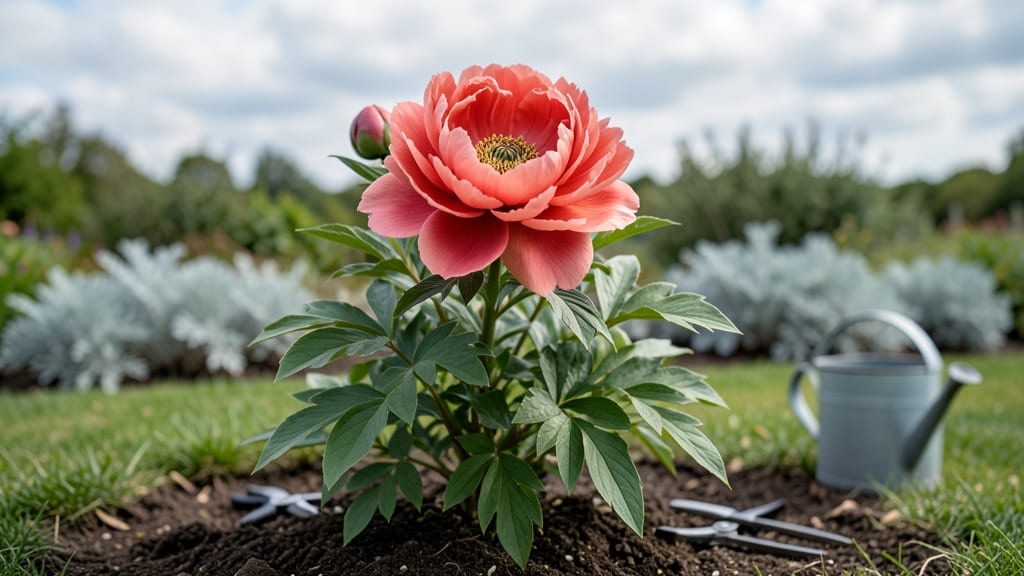
Nothing says summer like the heavy, intoxicating scent of peonies in full bloom. 🌸 These lush garden jewels transform any yard into a romantic escape, with their velvety petals lasting weeks longer than most flowers—if you know the secrets to keeping them happy.
My first peony bush took three years to bloom, but once it did, I was hooked on their dramatic, almost too-beautiful-to-be-true flowers.
Their bloom time varies wildly by region—think late May in the South and early June in cooler zones—but with the right care, you can stretch that show from 2 to 3 weeks instead of just a fleeting week.
The key? Pruning spent blooms carefully, feeding them rich compost in early spring, and avoiding overwatering once buds form. Even my black thumb can't kill these once they're established.
You'll want to cut them for arrangements when buds are just starting to open—they last 10 days or more in a vase, filling your home with that same heady perfume.
The cultural significance runs deep too: in China, peonies symbolize prosperity, while Victorian gardeners planted them to represent bashfulness and compassion. That's a lot of meaning packed into one 4-inch bloom.
Perfect for cottage gardens, formal borders, or even container growing in small spaces. Here's how to make your peonies put on their best show every season—no matter where you live.
📚 In This Guide
- What you need
- Instructions
- Tips and common mistakes
- Wrapping up and next steps
What you need
- ● Peony plants: Choose Paeonia lactiflora (herbaceous) or Paeonia suffruticosa (tree) varieties. Buy 3–5 bare-root plants (spring) or 1-gallon container-grown plants (fall).
- ● Well-draining soil: 4–6 cubic yards of a mix of 60% topsoil, 30% compost, and 10% coarse sand or perlite (for drainage).
- ● Organic matter: 5–10 lbs of aged manure or compost per plant for nutrient-rich soil.
- ● Mulch: 2–3 inches of wood chips or straw to retain moisture and suppress weeds.
- ● Garden fork or tiller (for loosening soil).
- ● Shovel and spade (for digging planting holes).
- ● Garden gloves (to protect hands).
- ● Wheelbarrow (for moving soil/mulch).
- ● Watering can or hose with nozzle (for gentle watering).
- ○ pH testing kit (optional but helpful—peonies thrive in 6.5–7.0 pH).
- ● Pruners (for trimming dead foliage post-bloom).
- ● Sunlight: A full-sun location (6–8 hours/day)—partial shade may reduce blooms.
- ● Spacious planting area: Space plants 3–4 feet apart (herbaceous) or 5–6 feet apart (tree peonies).
- ● Patience: Herbaceous peonies take 2–3 years to reach full bloom; tree peonies may take 3–5 years.
- ● Seasonal timing: Plant bare-root peonies in early spring (March–April) or container-grown peonies in fall (September–October).
How to keep peonies blooming year after year
Here’s how I’ve kept my peonies thriving for over a decade—simple steps for bold, fragrant blooms that come back bigger every season.
🌱 Step 1: Plant in the Right Spot with Full Sun
Peonies need at least 6 hours of direct sunlight daily for strong, healthy blooms. I plant mine in a south-facing location where they get morning sun and afternoon light—this prevents scorching while maximizing flowering. The soil should be well-draining but rich in organic matter, so I mix in 2-3 inches of compost when planting.
Dig a hole 2 inches deeper than the root ball—this encourages deeper root growth, which stabilizes the plant and supports heavier blooms. Peonies hate being transplanted once established, so get the location perfect from the start. If your soil is heavy clay, add a handful of perlite or coarse sand to improve drainage.
☀️ Step 2: Water Deeply and Mulch to Protect Roots
After planting, water deeply once a week during the first growing season to encourage strong root establishment. You’ll know it’s enough when the soil is 6 inches deep and moist but not soggy. Overwatering causes rot, so let the top 2 inches of soil dry out between waterings once established.
Spread 3 inches of organic mulch (like shredded bark or straw) around the base to retain moisture and regulate soil temperature. Keep mulch 6 inches away from the crown—piling it against the stem invites rot. In winter, add an extra 2 inches of mulch to insulate roots from freezing temperatures.
✂️ Step 3: Prune Correctly After Blooming Season
Wait until late fall or early winter to prune—never cut back foliage until it yellows naturally. This allows the plant to store energy for next year’s blooms. Once the leaves turn brown, cut them back to 1-2 inches above the ground, but leave the stems if they’re still upright. This protects the plant from harsh winds and prevents disease.
In early spring, remove any dead or damaged stems but leave the healthy, dormant buds intact. Peonies bloom on old wood, so avoid heavy pruning—just tidy up what’s necessary. If you see mushroom-like growths at the base, they’re harmless and can be left unless they’re crowding the plant.
🌿 Step 4: Fertilize Lightly for Stronger Blooms
Peonies don’t need much fertilizer—too much can reduce blooms. In early spring, sprinkle a low-nitrogen, high-phosphorus fertilizer (like 5-10-10) around the base, keeping it 6 inches away from the crown. Water it in well to prevent burning the roots. I skip fertilizing in the fall to encourage dormancy.
Instead of synthetic fertilizers, I often use compost tea or well-aged manure in spring for a gentler boost. Avoid fresh manure—it can scorch roots and disrupt blooming. If your peonies aren’t flowering well, check for overcrowding; dig up and divide clumps every 3-5 years to keep them vigorous.
⏰ Step 5: Protect from Pests and Diseases
Watch for peony leaf blight (brown spots on leaves) and botrytis blight (gray mold on buds). Remove infected leaves immediately and avoid overhead watering. If buds rot before opening, trim them off and improve airflow by spacing plants 3-4 feet apart. I also rotate my peonies every few years to prevent soil-borne diseases.
For pests like Japanese beetles, handpick them early in the morning when they’re sluggish. A neem oil spray in late summer helps deter future infestations. Healthy peonies are less susceptible to problems, so focus on sun, water, and mulch—the rest follows naturally.
Tips & tricks for perfect peony care
These simple secrets will help your peonies thrive and reward you with bigger, more fragrant blooms every season.
Sunlight Strategy: That 6 hours of direct sunlight requirement is non-negotiable for peonies. I've found that morning sun paired with afternoon shade works best in hot climates—this prevents leaf scorch while still giving them enough energy for blooming. If your garden gets intense afternoon sun, consider planting near a wall or fence that provides some afternoon shade.
Planting Depth Matters: Digging the hole 2 inches deeper than the root ball might seem counterintuitive, but it's what creates those sturdy, long-lasting plants. The deeper roots anchor the plant better, especially when those heavy blooms develop. If you're unsure about depth, use your trowel to measure from the top of the root ball down—this gives you an exact reference point.
Mulch Layering: The 3 inches of organic mulch around your peonies serves multiple purposes—it regulates soil temperature, retains moisture, and prevents weeds. I like to refresh my mulch every spring, mixing in some of the old mulch with fresh to maintain that organic matter. Just remember to keep it 6 inches away from the crown—this prevents rot that can kill your plants.
Pruning Timing: Waiting until late fall or early winter to prune might feel late, but it's crucial for next year's blooms. The plant needs all that foliage through fall to store energy for spring growth. I mark my calendar with a reminder to prune right after the first hard frost when leaves have fully browned. This timing ensures the plant goes into dormancy properly.
Pro Tips for Peonies In Bloom
- These simple secrets will help your peonies thrive and reward you with bigger, more fragrant blooms every season.
- Sunlight Strategy: That 6 hours of direct sunlight requirement is non-negotiable for peonies.
- Planting Depth Matters: Digging the hole 2 inches deeper than the root ball might seem counterintuitive, but it's what creates those sturdy, long-lasting plants.
Frequently asked questions
Got questions about peonies in bloom? You’re not alone! Here are some of the most common inquiries—plus straightforward answers to help you enjoy these garden showstoppers to the fullest.
When is the best time to plant peonies for peak blooms?
The ideal time to plant peonies is in early fall (4–6 weeks before the ground freezes) or early spring (as soon as the soil is workable). Planting in fall gives roots time to establish before winter, while spring planting works if you’re in a milder climate. Pro tip: Peonies hate transplant shock, so avoid moving established plants once they’ve bloomed!
How long do peonies stay in bloom, and can I extend their lifespan?
Peonies typically bloom for 7–10 days, but with care, you can coax a second (smaller) flush later in the season. To prolong blooms:
- Deadhead after flowers fade (but leave foliage until it yellows naturally).
- Water deeply once a week during dry spells.
- Avoid over-fertilizing—peonies thrive in poor soil!
Why aren’t my peonies blooming this year?
Common culprits include:
- Too much shade: Peonies need 6+ hours of sunlight daily.
- Overcrowded roots: Dig up and divide clumps every 3–5 years if blooms dwindle.
- Young plants: Peonies often take 2–3 years to bloom after planting.
- Excess nitrogen: Use a low-nitrogen, high-phosphorus fertilizer (like 5-10-10) in early spring.
Can I grow peonies in containers, and what’s the best soil mix?
Yes! Peonies adapt well to containers with adequate drainage. Use a mix of:
- 50% garden soil
- 30% compost
- 20% perlite or coarse sand
Choose a pot at least 12 inches deep and wide, and repot every 3–4 years to refresh the soil. Place containers in full sun and water consistently—containers dry out faster!
Are peonies deer- or pest-resistant, and how do I protect them?
Peonies are deer-resistant (thanks to their fuzzy foliage), but they can attract:
- Japanese beetles: Handpick or use neem oil.
- Powdery mildew: Space plants for airflow and water at the base.
- Ants: They farm aphids—spray with soapy water if needed.
For extra protection, wrap young plants in chicken wire or use organic sprays like pyrethrin.
Wrapping up and next steps
Witnessing peonies in bloom is like uncovering a fragrant treasure in your garden—each petal a masterpiece of nature’s artistry. These long-lasting beauties don’t just elevate your outdoor space; they bring joy, elegance, and a touch of timeless charm.
Whether you’re a seasoned gardener or just starting, their resilience and rewards make them a must-have.
Ready to invite this floral magic into your life? Start small—plant a single peony this season and watch as it transforms your garden into a fragrant sanctuary. Your future self (and pollinators!) will thank you. 🌸