
Blooming
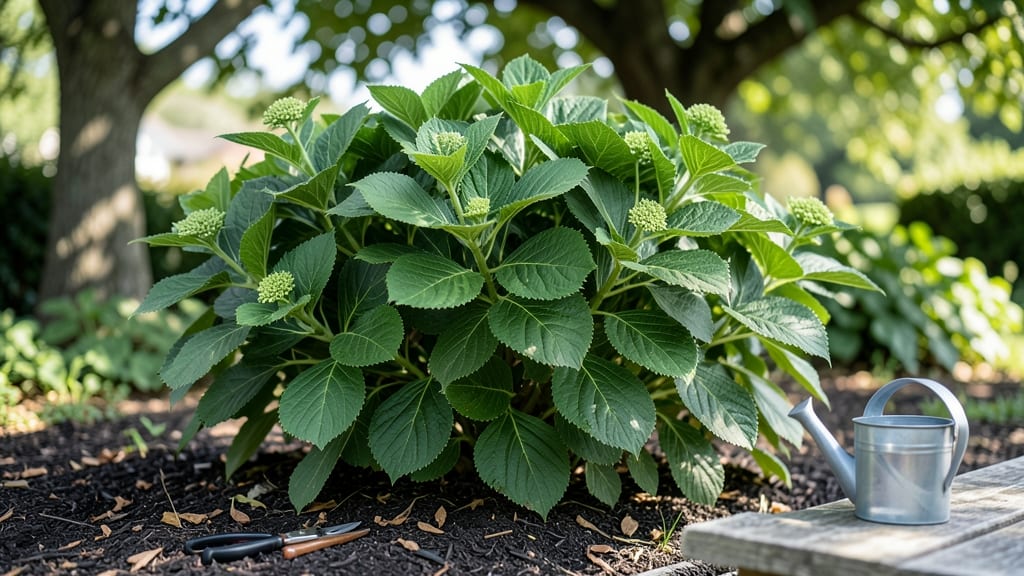
Your non-blooming hydrangeas might just need a tweak in timing, technique, and patience—here’s the simple fix even the healthiest bushes need. ✂️ Last summer, my Bigleaf hydrangeas produced zero blooms because I pruned at the wrong time, and this year? They’re covered in vibrant pink blooms by June.
The real culprit is usually pruning too late or too aggressively. Hydrangeas bloom on old wood (last year’s growth) or new wood (this year’s growth), depending on the variety, and cutting back at the wrong time sends all their energy into leaves instead of flowers.
Most gardeners over-prune in spring, but the key is to wait until after blooming—or prune just the dead stems in late winter if you’re dealing with old-wood types.
By next season, you’ll see dense clusters of blooms where there were none before. The secret is knowing when to cut (and when to leave stems alone) plus a few extra tweaks like balanced fertilizer and morning sun. I’ll walk you through the exact steps—no guesswork, just guaranteed blooms.
This works for Bigleaf, Panicle, and Oakleaf hydrangeas, whether you’re dealing with a single bush or a whole hedge. The same principles apply, so you’ll get results no matter your setup. Let’s get those flowers back where they belong!
📚 In This Guide
- What you need
- Instructions
- Tips and common mistakes
- Wrapping up and next steps
What you need
- ● Pruning shears or loppers – Choose sharp, bypass-pruners (4-6" blades) for clean cuts. Loppers (8-10" blades) work for thicker stems.
- ● Disinfectant (70% isopropyl alcohol or bleach solution) – Wipe tools between cuts to prevent disease spread.
- ● Gloves – Heavy-duty gardening gloves (waterproof, long-cuff) to protect from thorns and sap.
- ○ Garden twine or plant ties – For supporting stems if needed (optional but helpful for large varieties).
- ● Mulch (pine bark, shredded leaves, or compost) – 2-3 inches to retain moisture and regulate soil temp.
- ● Balanced fertilizer (10-10-10 or 20-20-20) – 1-2 tbsp per plant after pruning to boost growth.
- ● Watering can or hose with gentle nozzle – For post-pruning hydration.
- ● Hand pruners – For smaller, delicate cuts.
- ● Rake or hoe – To clear debris around the base.
- ● Pruning sealant – For large cuts (diameter > ½ inch) to prevent disease.
- ● Soil test kit – To check pH (hydrangeas love acidic soil, pH 5.2–6.0).
Instructions for reviving non-blooming hydrangeas
Here's the precise method I use to reset hydrangeas and trigger abundant blooms next season.
🌿 Step 1: Identify Your Hydrangea Type and Bloom Cycle
First, determine whether you have a mophead or lacecap variety (both bloom on old wood) or a panicle or oakleaf type (which bloom on new wood). This distinction is critical because pruning timing differs. Examine last year's blooms—if they grew on last season's growth, you're dealing with old-wood bloomers.
I always check for bud swell in early spring—the small, plump buds that form at the ends of stems. If you see these but no flowers emerge, your plant is ready for a pruning reset. For old-wood types, prune immediately after flowering; for new-wood types, wait until late winter before buds swell.
✂️ Step 2: Prune for Structure and Airflow
Use clean, sharp pruners to make cuts at a 45-degree angle just above a set of outward-facing buds. Remove dead, diseased, or crossing branches first—they compete for energy and block airflow. I target branches that are thinner than a pencil to encourage new growth from the base.
For old-wood types, cut back one-third of the oldest stems to the ground each year, rotating which stems you remove. This forces the plant to produce fresh growth from the roots. Never remove more than one-third in a single year, or you'll shock the plant and delay blooming.
☀️ Step 3: Feed and Hydrate for Recovery
After pruning, apply a balanced 10-10-10 fertilizer at half strength to stimulate new growth. Water deeply until the soil is 6 inches moist—hydrangeas need consistent moisture to develop strong stems and buds. I mulch with 2-3 inches of organic mulch to retain moisture and regulate soil temperature.
Monitor the plant for new shoots emerging from the base within 4-6 weeks. These indicate successful pruning. If you see no growth after 8 weeks, your plant may need a soil test—hydrangeas often struggle in alkaline soil, which locks out iron and other nutrients.
⏰ Step 4: Adjust Care for Next Season's Blooms
Old-wood types need full sun to partial shade (4-6 hours of direct light) to produce vibrant blooms. If your hydrangea is in deep shade, move it or prune nearby trees to increase light exposure. For new-wood types, prune late winter to shape the plant while leaving next year's flower buds intact.
Here's the thing—hydrangeas bloom on previous season's growth for old-wood types, so never prune before mid-summer. If you cut back too early, you risk removing next year's flower buds before they form. I mark pruning dates on my calendar to avoid this common mistake.
Tips & tricks for reviving non-blooming hydrangeas
These insights will help you avoid common mistakes and maximize your hydrangea's potential for stunning blooms next season.
Type Identification: I can't stress enough how critical this first step is—misidentifying your hydrangea type can ruin your blooming plans. For old-wood varieties like mophead and lacecap, examine last year's stems: if they bore flowers, those are the stems to preserve. For new-wood types like panicle and oakleaf, focus on the current year's growth. I keep a small notebook with photos of my plants' bloom patterns to reference later.
Pruning Precision: When cutting back old-wood stems in Step 2, aim to remove the oldest third while keeping the youngest stems intact. The key is to make clean cuts at a 45-degree angle just above outward-facing buds—this encourages growth in the right direction. I use a permanent marker to label stems I plan to cut each year, rotating which third I remove annually to maintain balance. Never cut more than one-third in a season, or you'll shock the plant's system.
Recovery Monitoring: The 4-6 week window for new shoot emergence is your best indicator of success. If you don't see growth by week 6, don't panic—hydrangeas can be stubborn. I check for new shoots by gently brushing my fingers along the base stems. If nothing appears by week 8, conduct a simple soil test (available at garden centers) to check pH—hydrangeas thrive in slightly acidic soil (pH 5.5-6.2).
Light Optimization: The 4-6 hours of sunlight mentioned in Step 4 is non-negotiable for vibrant blooms. If your hydrangea is in deep shade, consider moving it to a sunnier location or gradually acclimating it by pruning nearby trees. I've had success with partial shade plants by positioning them where they get morning sun and afternoon shade—this prevents leaf scorch while still promoting flowering.
Pro Tips for Non Blooming Hydrangeas
- These insights will help you avoid common mistakes and maximize your hydrangea's potential for stunning blooms next season.
- Type Identification: I can't stress enough how critical this first step is—misidentifying your hydrangea type can ruin your blooming plans.
- Pruning Precision: When cutting back old-wood stems in Step 2, aim to remove the oldest third while keeping the youngest stems intact.
Frequently asked questions
Why aren’t my hydrangeas blooming even though they have leaves?
Non-blooming hydrangeas often result from old wood (last year’s growth) dying back or insufficient sunlight. Bigleaf and oakleaf types bloom on old wood, so harsh winter pruning or lack of winter protection can stunt flowers. Panicle and smooth hydrangeas bloom on new wood—if you prune too late, you may miss the current year’s buds. Check your variety and prune at the right time!
When is the best time to prune non-blooming hydrangeas for next year’s blooms?
For old wood bloomers (like bigleaf), prune right after flowering (late spring/early summer) to avoid cutting off next year’s buds. For new wood bloomers (panicle/smooth), prune in late winter or early spring before new growth starts. Pro tip: If unsure, observe your plant’s blooming pattern—old wood types have buds on last year’s stems!
Can I still get flowers if I pruned too late or too aggressively?
Yes! If you’ve already pruned too much, don’t panic. For old wood types, focus on protecting the remaining stems—mulch heavily in winter and avoid heavy pruning next year. For new wood types, next year’s blooms will grow from this year’s growth, so feed with balanced fertilizer (10-10-10) in spring to encourage new shoots. Patience is key—it may take a season to recover!
What are some non-blooming hydrangea alternatives if I want instant color?
If you’re eager for blooms but struggling with hydrangeas, consider these low-maintenance, high-flowering alternatives:
- Butterfly Bush (Buddleia) – Thrives in full sun, blooms prolifically, and attracts pollinators.
- Dwarf Gardenia – Fragrant, evergreen, and blooms reliably with minimal pruning.
- Abelia – Semi-evergreen with continuous blooms and drought tolerance.
- Weigela – Fast-growing with vibrant spring/summer flowers.
My hydrangeas have no buds at all—could it be a disease or pest issue?
If your hydrangeas have no buds and seem otherwise healthy, check for:
- Powdery mildew (white dust on leaves) – Reduce humidity and prune for airflow.
- Japanese beetles – Skewered leaves? Handpick or use neem oil.
- Root rot – Yellow leaves + mushy stems? Improve drainage and avoid overwatering.
- Nutrient deficiency – Pale leaves? Test soil and amend with acid-loving plant fertilizer (for bigleaf types).
Wrapping up and next steps
Non-blooming hydrangeas don’t have to stay that way! With the right pruning techniques—like timing, tool selection, and understanding your plant’s type—you can reset their growth for stunning blooms next season. 🌸 Whether you’re tackling old wood or new growth, patience and precision pay off in vibrant, fuller shrubs.
Ready to transform your hydrangeas? Grab your pruners, review the essentials, and start pruning with confidence. Your future blooms will thank you!