
Blooming
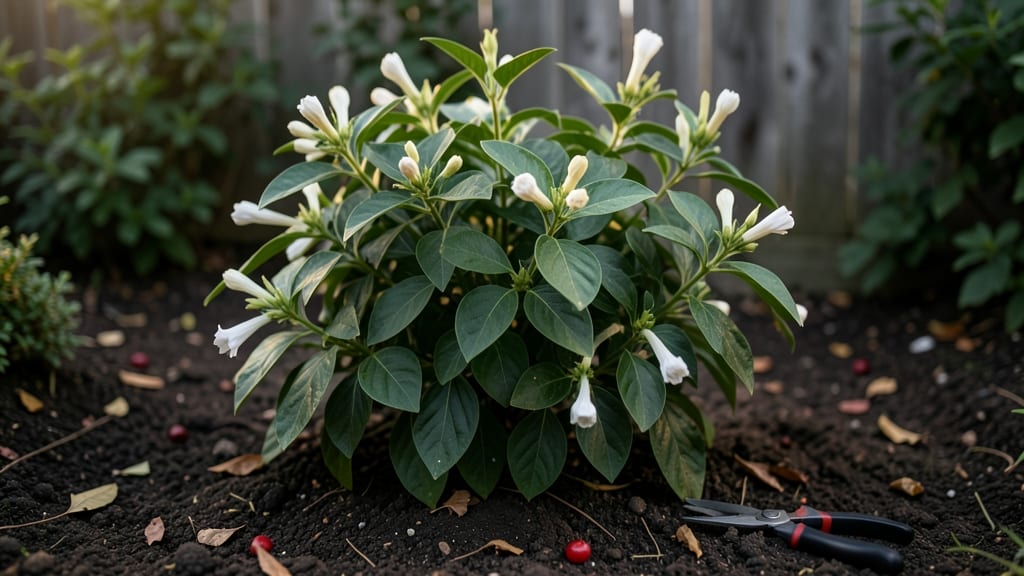
The night blooming jasmine tree stands sentinel in my garden, and every evening, its fragrant white flowers perfume the air as dusk settles—I’ve grown it for three summers now, and each night its intoxicating scent draws me. outside—like nature’s own evening lullaby.
The secret to keeping it thriving? Mimicking its tropical roots with warmth, moisture, and just the right amount of pruning.
This plant craves full sun but tolerates partial shade, making it perfect for patios, trellises, or container growing in warmer climates (zones 9-11). Well-draining soil mixed with compost keeps roots happy, while regular watering—especially during blooming season—ensures those signature nighttime flowers keep coming back.
The key is balancing moisture without drowning the roots, which can rot in soggy soil.
By late summer, you’ll be rewarded with clusters of fragrant blooms that open only after sunset, attracting moths and filling the air with a sweet, jasmine-like perfume. Prune lightly after flowering to encourage bushier growth, and watch it return bigger and stronger each year.
The fragrance alone makes it worth the effort—imagine evenings where your garden becomes the neighborhood’s secret scent.
For cooler climates, grow it in containers and bring it indoors before frost. With the right care, this tropical beauty will keep gifting you fragrant nights for years. Here’s how to make it thrive in your space—no matter where you live.
📚 In This Guide
- What you need
- Instructions
- Tips and common mistakes
- Wrapping up and next steps
What you need
- ● Night Blooming Jasmine Plant: 1 nursery-grown sapling (3–5 feet tall, 2–3 years old) or
- ● 10–20 seeds (fresh or stored in a cool, dry place) or
- ● 3–5 healthy cuttings (4–6 inches long, from mature stems)
- ● Soil: 50 lbs well-draining, slightly acidic soil (pH 6.0–7.0)
- ○ Optional: 10 lbs compost or organic matter for nutrient boost
- ● Container or Planting Hole: For containers: 1–2 large pots (15–20 gallons, with drainage holes)
- ● For in-ground: 1 hole (3x3x3 feet deep) or trench (if planting multiple)
- ● Garden trowel or shovel
- ● Pruning shears (sterilized with rubbing alcohol)
- ○ Gloves (optional, for handling seeds/cuttings)
- ● Watering can or hose with gentle spray nozzle
- ● Mulch (2–3 inches of pine bark or straw)
- ○ Optional but helpful: Rooting hormone (for cuttings)
- ● Slow-release fertilizer (10–10–10 NPK ratio)
- ● Trellis or support structure (if training as a vine)
- ● Full sun location (6+ hours of direct sunlight daily)
- ● Warm climate (USDA Zones 8–11) or a greenhouse for cooler regions
- ● Patience! Night blooming jasmine takes 2–3 years to mature and flower.
How to plant and care for a thriving night blooming jasmine tree
Here's how I've grown fragrant, reliable night blooming jasmine for years—with minimal effort but maximum scent.
Choose the Perfect Planting Location
Night blooming jasmine thrives in full sun to partial shade, with at least 6 hours of sunlight daily. I plant mine against a south-facing wall or fence where it gets morning sun and afternoon shade—this prevents leaf scorch while still encouraging blooms. The tree's natural climbing habit means it needs sturdy support like a trellis or arbor.
Dig a hole twice as wide as the root ball but only as deep. This allows roots to spread naturally without being buried too deep. The top of the root ball should sit 1-2 inches above ground level—this prevents waterlogging and root rot. If planting in a container, use a pot at least 15 gallons to accommodate mature root growth.
Plant with Proper Soil and Watering
Night blooming jasmine prefers well-draining soil with a slightly acidic to neutral pH (6.0-7.5). I mix the native soil with 20% compost to improve fertility and drainage. Remove the plant from its container and loosen any circling roots gently with your fingers—this encourages outward growth instead of root binding.
Place the plant in the hole and backfill with soil, tamping lightly every 2 inches to eliminate air pockets. Water deeply immediately after planting to settle the soil and remove any air gaps. The first watering should penetrate 12 inches deep—you'll know it's enough when water runs out of the drainage holes (if in a container) or when the soil feels moist at that depth.
Prune for Shape and Encourage Blooms
Prune your night blooming jasmine in late winter or early spring, just before new growth begins. Remove any dead, diseased, or crossing branches first—they compete with healthy growth and reduce flowering. I cut back overgrown branches by one-third to maintain shape and encourage bushier growth.
This tree blooms on new wood, so don't worry about cutting back too much. After flowering season, you can do a light shaping prune to keep the plant tidy. Avoid heavy pruning after mid-summer—new growth won't have time to harden off before winter. Watch for new growth emerging from the base; this indicates the plant is healthy and ready for more pruning.
Maintain Through the Seasons
Water your night blooming jasmine deeply once a week during the first growing season to establish strong roots. Once established, it's drought-tolerant but will reward you with more blooms if kept consistently moist. I check soil moisture by sticking my finger 2 inches deep—if it feels dry, it's time to water.
Fertilize in early spring with a balanced, slow-release fertilizer (10-10-10). Apply it according to package instructions, usually every 2-3 months during the growing season. Stop fertilizing in late summer to allow the plant to prepare for winter. Mulch around the base with 2-3 inches of organic mulch to retain moisture and regulate soil temperature.
Protect and Enjoy the Fragrance
Night blooming jasmine is hardy in USDA zones 8-11. If you live in a colder climate, plant it in a container and bring it indoors before the first frost. Choose a spot with bright, indirect light for winter care. The tree can tolerate temperatures down to 20°F for short periods, but prolonged cold will damage it.
To maximize fragrance, plant your night blooming jasmine near windows, patios, or walkways where you'll enjoy the intoxicating scent at night. The blooms open in the evening and close by morning, so position it where you'll be present during those hours. With proper care, your tree will return year after year, filling your garden with its signature nighttime perfume.
Tips & tricks for perfect night blooming jasmine tree care
These simple strategies will help you cultivate a thriving night blooming jasmine that returns year after year with maximum fragrance.
Location Optimization: When choosing your planting spot, prioritize areas with morning sun and afternoon shade—this balances energy for blooming while preventing leaf scorch. I've found that positioning against a south-facing wall captures the most sunlight while providing natural protection. For container growing, place your 15-gallon pot where it gets at least 6 hours of sunlight daily, rotating it every few weeks to ensure even growth.
Soil Preparation Secret: The 20% compost addition isn't just about nutrients—it improves drainage while maintaining moisture retention. For heavy clay soils, mix in additional perlite or coarse sand to create that perfect well-draining environment. I always test my soil's pH before planting; if it's outside the 6.0-7.5 range, add sulfur to lower pH or lime to raise it gradually over several months.
Pruning Precision: That one-third reduction during late winter pruning might seem drastic, but it's what triggers bushier growth and more blooms. Always use sharp, sterilized pruners to make clean cuts just above leaf nodes. I mark the branches I want to cut first with a piece of twine before making the actual cuts—this helps visualize the final shape while preventing over-pruning.
Winter Protection Strategy: For those in colder zones, bringing your container indoors before 20°F isn't just about survival—it's about preserving next year's blooms. Choose a bright, indirect light spot away from heating vents. I've found that a south-facing window with sheer curtains provides perfect light conditions. Reduce watering to once every 2-3 weeks during winter dormancy to prevent root rot in the container.
Pro Tips for Night Blooming Jasmine Tree
- These simple strategies will help you cultivate a thriving night blooming jasmine that returns year after year with maximum fragrance.
- Location Optimization: When choosing your planting spot, prioritize areas with morning sun and afternoon shade—this balances energy for blooming while preventing leaf scorch.
- Soil Preparation Secret: The 20% compost addition isn't just about nutrients—it improves drainage while maintaining moisture retention.
Frequently asked questions
Got questions about growing or enjoying your night blooming jasmine tree? You’re not alone! Here are some of the most common queries—and their answers—to help you get the most out of this fragrant beauty.
When is the best time to plant a night blooming jasmine tree?
Plant your night blooming jasmine in early spring or fall when temperatures are mild (50–75°F). This gives roots time to establish before extreme heat or cold sets in. Avoid planting in summer—heat stress can stunt growth. If you’re in a warm climate, fall planting is ideal to encourage blooms the following spring.
How do I encourage more nighttime blooms?
Night blooming jasmine thrives with full sun (6+ hours daily) and well-draining soil. Prune lightly after blooming to shape the tree and remove dead branches. For extra fragrance, fertilize in early spring with a balanced 10-10-10 formula. Avoid overwatering—let soil dry slightly between waterings to prevent root rot.
Why isn’t my night blooming jasmine flowering?
Common culprits include too much shade, over-fertilizing with nitrogen, or improper pruning. Ensure it gets sunlight and balanced nutrients. If it’s young, be patient—it may take 2–3 years to bloom. Pro tip: A light frost can sometimes trigger blooms, but avoid harsh winter damage.
Can I grow night blooming jasmine in a container?
Yes! Choose a large pot (15+ gallons) with drainage holes and use a fast-draining mix. Repot every 2–3 years and move containers indoors during winter if temps drop below 20°F. Just know it may bloom less vigorously in pots than in the ground. Bonus: Container jasmine makes a stunning patio centerpiece!
Is night blooming jasmine toxic to pets?
Generally non-toxic to dogs and cats, but ingestion may cause mild stomach upset. Monitor pets if they chew leaves or flowers. For peace of mind, opt for pet-safe alternatives like gardenia or mock orange if you have curious furry friends. Always consult your vet if you suspect poisoning.
Wrapping up and next steps
The night blooming jasmine tree is a magical addition to any garden, offering fragrant, moonlit blooms that return year after year with minimal effort. Whether you’re drawn to its intoxicating scent, low-maintenance care, or stunning visual appeal, this tree promises a rewarding experience for both novice and seasoned gardeners. 🌙✨
Ready to transform your outdoor space? Start by choosing the right variety for your climate, then gather your supplies and follow the planting tips shared here. With patience and care, you’ll soon be enjoying the unforgettable nighttime aroma of your very own jasmine tree!