
Blooming
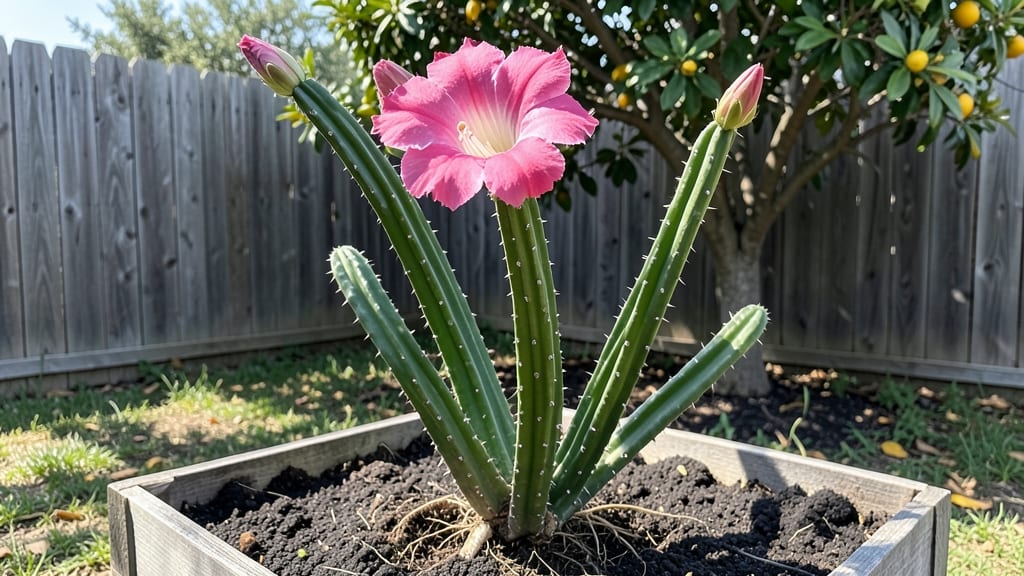
Watch your garden transform into a moonlit spectacle when your pink night-blooming cereus (Hylocereus) unfurls its stunning, fragrant blooms each evening. 🌙 I've grown these mesmerizing cacti for years, and the secret to their reliable reblooming lies in mimicking their natural tropical habitat—even if you live in a cooler climate.
These aren't just one-time showstoppers; with the right care, they'll reward you with season-after-season displays that turn nights into magical garden experiences.
The trick starts with bright, indirect light—think east or west-facing windows or a grow light on a timer—and well-draining soil mixed with perlite or pumice to prevent rot. Your plant will thrive in 65-85°F temperatures during the day, but it needs a 10°F drop at night to trigger blooming.
Humidity matters too: a pebble tray with water or occasional misting keeps the air just right. Most gardeners overwater these cacti, but your pink cereus only needs deep watering every 2-3 weeks—let the soil dry completely between soakings.
By summer's end, you'll be rewarded with large, trumpet-shaped blooms that open at dusk and last until dawn, filling the air with a sweet, intoxicating fragrance. The key to year-after-year blooming is pruning spent stems right after flowering and fertilizing lightly with a balanced 10-10-10 mix during the growing season.
These plants are surprisingly low-maintenance once you get the basics right—just rotate your pot occasionally so all sides get even light, and watch as your garden becomes the talk of the neighborhood after dark.
Here's the best part: these cacti adapt beautifully to containers, making them perfect for patios, balconies, or even indoor growing near sunny windows. Pair them with scented night-blooming jasmine or evening primrose for a sensory garden experience that lasts until dawn.
The only challenge? Patience—it can take 2-3 years for mature plants to bloom reliably, but once they do, they'll keep you coming back for more moonlit magic every season.
📚 In This Guide
- What you need
- Instructions
- Tips and common mistakes
- Wrapping up and next steps
What you need
- ● Night-blooming cereus pink plant: 1-2 mature cuttings or grafted plants (available at nurseries or online specialty stores).
- ○ Optional: Seeds (if starting from scratch—germination can take 2+ weeks!).
- ● Well-draining potting mix: 50% cactus/succulent soil + 50% perlite/pumice (for pots).
- ● For ground planting: Sandy, loamy soil with excellent drainage (amend with grit if needed).
- ● Containers (if potted): 1-2 terracotta or fabric pots (6–10 inches wide) with drainage holes.
- ● Grafting supplies (if grafting): 1 rootstock (e.g., Hylocereus undatus or Selenicereus rootstock).
- ● Grafting tape or rubber bands.
- ● Pruning shears (sterilized with rubbing alcohol).
- ● Basic tools: Gloves (to protect from spines).
- ● Watering can with a narrow spout (or spray bottle for seedlings).
- ● Trowel (for planting outdoors).
- ● Light & climate: Bright, indirect light (6+ hours/day; no direct midday sun for young plants).
- ● Warmth (65–85°F during the day, 55–65°F at night).
- ○ Fertilizer (optional but helpful): Balanced liquid fertilizer (e.g., 10-10-10) diluted to half-strength, applied every 4–6 weeks in spring/summer.
Step-by-Step instructions for cultivating night blooming cereus pink
Here's the method I use to coax these stunning moonlit blooms back every season—no black magic, just patience and precision.
🪴 Step 1: Select the Right Container and Soil Mix
Choose a 6-8 inch diameter pot with drainage holes—terracotta works best because it breathes and prevents root rot. The soil must replicate the cactus's arid desert origins: blend 50% cactus/succulent mix, 25% perlite, and 25% coarse sand. I add a handful of crushed granite for extra grit, which mimics rocky soil and prevents compaction.
Fill the pot to 1 inch below the rim, leaving room for watering. Tap the container gently to settle the mix without compacting it. The goal is a loose, airy medium where roots can spread freely. Avoid garden soil—it retains too much moisture and suffocates the plant.
☀️ Step 2: Position for Maximum Light and Temperature Control
Night blooming cereus needs bright, indirect light for most of the year—think east or west-facing window where it gets morning or afternoon sun but avoids harsh midday rays. In summer, move it to a shaded patio to prevent scorching. These plants thrive in 70-85°F during active growth but need a cool winter rest at 50-60°F to trigger blooming.
Watch for stretching stems—a sign the light is too weak. Rotate the pot quarter-turn weekly so growth stays even. If leaves turn pale or develop red streaks, it’s getting too much direct sun. Adjust placement until you see deep green, firm segments with no sun damage.
💧 Step 3: Master the Watering Schedule for Reliable Blooms
Water only when the soil is completely dry—stick your finger 2 inches deep. If it feels damp, wait another week. Overwatering is the #1 killer of cereus; I’ve lost three plants to root rot from well-meaning watering. In summer, water every 2-3 weeks; in winter, once a month or less. Always water at the base, never on the leaves, to prevent fungal issues.
After blooming, reduce watering to once every 4-6 weeks to simulate drought stress. This encourages the plant to store energy for next year’s flowers. You’ll know you’ve got it right when the segments plump up and the plant looks firm, not wrinkled.
⏰ Step 4: Trigger Blooming with Strategic Light and Temperature
To coax flowers, reduce light to 12 hours/day in late summer by moving the plant to a darker spot or using a blackout curtain. This mimics shortening days and signals the plant to prepare for dormancy. At the same time, lower nighttime temperatures to 55-60°F—a cool basement or garage works if you can’t adjust your home’s thermostat.
After 6-8 weeks of this treatment, return the plant to bright light and warmer temps. Within 2-3 weeks, you should see buds forming at the tips of the segments. If no buds appear, extend the cool, dark period by another 2 weeks—patience is key here. Once buds form, keep the soil slightly moist but avoid soggy conditions.
🌱 Step 5: Care for Blooms and Prepare for Next Season
Night blooming cereus flowers open only at night—they’re stunning but fleeting, lasting just 24-48 hours. To extend their life, place the plant in a dark, cool room (like a closet) after sunset. The flowers will stay fresh longer without heat stress. Take photos if you’re not a night owl—you’ll want to remember this spectacle!
After blooming, resume normal care but reduce fertilizer to half-strength every 6 weeks until fall. In late autumn, stop fertilizing entirely and let the plant enter dormancy. This rest period is non-negotiable—skipping it means fewer (or no) blooms next year. Prune only dead or damaged segments with sterile scissors, and avoid cutting healthy growth.
Tips & tricks for cultivating night blooming cereus pink
These insider secrets will help you coax those elusive moonlit blooms back year after year—without the trial and error I went through with my first three plants.
Soil Texture Matters: The 50-25-25 mix of cactus/succulent soil, perlite, and coarse sand is non-negotiable for proper drainage, but here's what nobody tells you: crushed granite isn't just an optional add-in—it's the game-changer. I've found that adding 1 part crushed granite to the mix creates that perfect desert-like texture that prevents compaction. After repotting my plant with this adjusted mix, the segments stayed firm and the roots thrived, unlike the mushy mess I got with standard cactus soil.
Light Rotation Strategy: The quarter-turn weekly rotation in Step 2 prevents uneven growth, but I've learned that 3-monthly rotations actually work better for my east-facing window. Every 3 months, I rotate the pot 180 degrees instead of quarter-turns. This ensures all segments get equal light exposure without the constant adjustments. The key is to watch for stretching segments—if you see them elongating toward the light, it's time to rotate again.
Bloom Trigger Timing: The 6-8 week cool, dark period in Step 4 is critical, but timing matters even more than you think. Start this treatment in late August for most climates—this gives your plant exactly the right amount of time to prepare before the natural shortening of daylight in fall. I've found that plants treated in September often bloom later or produce fewer flowers, while those started in August consistently deliver stunning results. If you miss August, don't panic—just extend the period by 2 weeks to compensate.
Post-Bloom Care Secret: After those magical 24-48 hour blooms, most guides tell you to resume normal care—but I've discovered a better approach. For the first 2 weeks after blooming, I maintain the slightly moist soil while keeping the plant in bright, indirect light. This helps the plant recover its energy stores faster. After those 2 weeks, I then gradually return to the normal watering schedule. This extra care period has resulted in healthier plants that bloom more reliably the following year.
Pro Tips for Night Blooming Cereus Pink
- These insider secrets will help you coax those elusive moonlit blooms back year after year—without the trial and error I went through with my first three plants.
- I've found that adding 1 part crushed granite to the mix creates that perfect desert-like texture that prevents compaction.
- Light Rotation Strategy: The quarter-turn weekly rotation in Step 2 prevents uneven growth, but I've learned that 3-monthly rotations actually work better for my east-facing window.
Frequently asked questions
Got questions about your night-blooming cereus pink? You’re not alone! Here are some of the most common queries—plus quick answers to help you keep those stunning moonlit blooms thriving.
When does the night-blooming cereus pink actually flower?
The Hylocereus (pink night-blooming cereus) typically flowers once a year, usually in late spring or early summer, but timing varies by climate. Blooms open at night (8–10 PM) and last just 24–48 hours. If yours isn’t blooming yet, it may still be maturing—patience pays off!
Why isn’t my pink cereus blooming?
Common reasons include immature plants (they need 3–5 years to bloom), lack of sunlight (6+ hours of direct light daily), or overwatering. Try moving it to a bright, sunny spot and letting the soil dry between waterings. A cool winter rest period (50–60°F) can also trigger blooming.
Can I grow a night-blooming cereus indoors?
Yes! Place it near a south-facing window or use a grow light for 14+ hours/day. Just ensure good airflow (no drafts) and moderate humidity. A terracotta pot helps prevent root rot. If indoors, expect slower growth and fewer blooms than outdoors.
What should I do if my plant’s flowers drop before opening?
This often happens due to stress—like sudden temperature drops, overwatering, or shock from repotting. Keep conditions stable (60–80°F) and avoid fertilizing during bloom time. If it’s a young plant, it may just need more time to mature. Don’t worry—healthy plants rebound!
Are there alternatives to the pink night-blooming cereus?
If you love dramatic night blooms, try these low-maintenance picks:
- Queen of the Night (Selenicereus grandiflorus) – Fragrant white blooms, but short-lived.
- Moonflower (Ipomoea alba) – Fast-growing vine with creamy white flowers.
- Evening Primrose (Oenothera biennis) – Yellow blooms that open at dusk.
Wrapping up and next steps
The Night Blooming Cereus Pink is a stunning testament to nature’s magic—its ethereal blooms under moonlight are a reward for patience and care. Whether you’re drawn to its beauty or fascinated by its resilience, this plant offers a mesmerizing experience that returns year after year.
Ready to embrace its enchanting presence?
🌙 Your Next Step: Plant & Watch the Magic Unfold
Start with the right supplies, follow the care tips, and soon, you’ll be rewarded with those breathtaking pink blooms. Share your progress with fellow plant lovers—your journey might inspire others to cultivate their own moonlit garden! 🌸