
Blooming
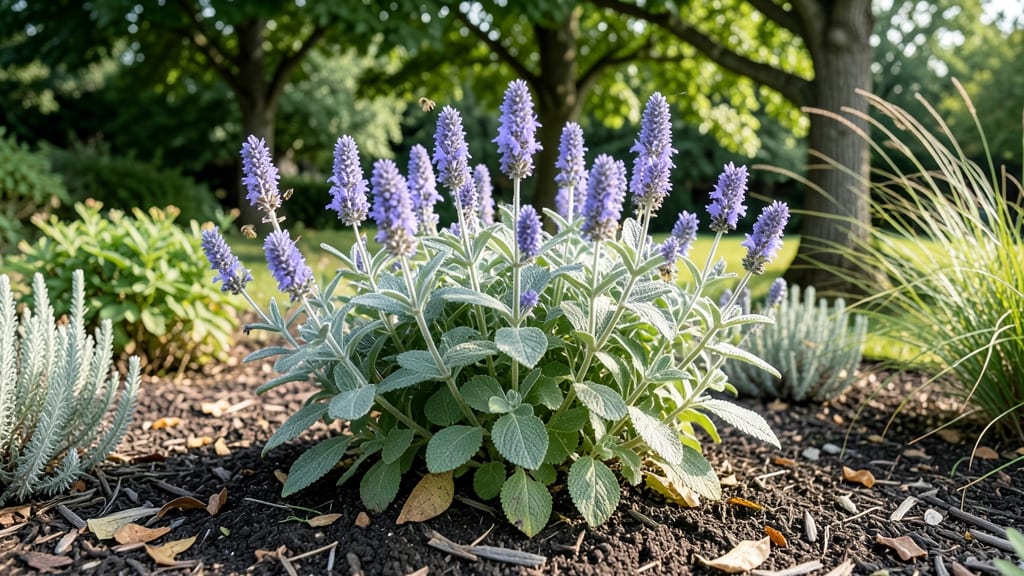
Nepeta’s fragrant lavender-like blooms transform your garden into a pollinator paradise from late spring through early fall—but timing varies by zone and care. 🌿 I’ve watched mine burst into color by mid-May in Zone 6, while my neighbor in Zone 8 enjoys blooms until October.
The secret? Sunlight, soil, and a little strategic pruning. This hardy perennial thrives in full sun to partial shade, but too much shade delays blooms. Well-draining soil prevents leggy growth, while rich compost encourages longer, more abundant flowering.
Deadheading spent blooms tricks the plant into producing fresh flowers all season—my nepeta keeps blooming until frost if I stay on top of it. You’ll love how butterflies and bees flock to the airy purple spikes. For extra-long seasons, choose ‘Walker’s Low’ (early bloomer) or ‘Six Hills Giant’ (late-season performer).
Both stay compact and handle heat better than most varieties. Region matters: Northern gardeners get shorter bloom windows, while Southern gardeners enjoy extended fall color. Prune back by ⅓ after flowering to encourage bushier growth next year. Simple steps for stunning results!
📚 In This Guide
- What you need
- Instructions
- Tips and common mistakes
- Wrapping up and next steps
What you need
- ● Nepeta plants: Choose Nepeta × faassenii (most common) or other varieties like Nepeta racemosa. Buy 3–5 plants for a small garden or 10+ for a pollinator-friendly border.
- ● Well-draining potting mix: 1–2 bags (10–15 quarts each) of a blend designed for perennials or herbs. Add perlite or sand (1 part perlite to 3 parts soil) for extra drainage.
- ● Containers or garden space: Containers: 12–16" pots with drainage holes (1–2 plants per container). Terracotta or fabric pots work best.
- ● Garden beds: Full sun (6+ hours/day) with loose, rocky soil. Amend heavy clay with compost (1 part compost to 2 parts soil).
- ● Fertilizer: Slow-release granular fertilizer (10-10-10 or 5-10-10, 1 lb per 100 sq ft) or organic options like worm castings.
- ● Mulch: 1–2 inches of organic mulch (e.g., shredded bark or straw) to retain moisture and suppress weeds.
- ● Garden trowel or hand shovel
- ● Pruning shears (sterilized with rubbing alcohol)
- ● Watering can or hose with a gentle spray nozzle
- ○ Gloves (optional, but helpful for handling prickly stems)
- ● Pollinator-friendly companions: Pair with Salvia, Echinacea, or Thyme for a buzzing garden!
- ● Stakes or cages: For taller varieties (e.g., Nepeta grandiflora) to support blooms.
- ● Slow-release watering system: Drip irrigation or self-watering pots for low-maintenance care.
- ● Catmint seed packets: If you want to grow from seed (slower but rewarding!)
How to time nepeta blooms for maximum pollinator visits
Here's how to coax those fragrant lavender-like flowers into peak season—just when bees and butterflies need them most.
🌱 Step 1: Choose the Right Variety for Your Climate
Nepeta varieties bloom at different times, so match your selection to your growing zone. 'Walker's Low' typically flowers in late spring to early summer (May-June in most regions), while 'Six Hills Giant' extends blooming into mid-fall. Check your local frost dates—you want blooms to appear 4-6 weeks before your first frost for the longest display.
I always plant at least two varieties with staggered bloom times. For example, 'Dwarf Blue' starts in early May while 'Lambrook Mauve' peaks in July. This ensures continuous color and pollinator support from spring through fall. If you're in a hot zone, opt for heat-tolerant types like 'Blue Wonder' that rebloom after shearing.
☀️ Step 2: Provide Full Sun and Well-Drained Soil
Nepeta demands 6-8 hours of direct sun daily for optimal blooming. In my experience, plants in partial shade produce fewer flowers and grow leggy. If your site gets only morning sun, choose compact varieties like 'Peach Blush' that tolerate slightly less light. The soil must drain quickly—nepeta roots rot in soggy conditions, which delays or prevents flowering.
Amend heavy clay with 1 part perlite to 3 parts garden soil before planting. I always mound soil slightly when transplanting to improve drainage. The key is creating a root environment where moisture moves away from the plant, not pools around it. Test your soil's drainage by digging a hole, filling it with water, and timing how long it takes to drain—if it's still wet after 2 hours, amend more.
✂️ Step 3: Prune Strategically After First Bloom
Here's where most gardeners go wrong: cutting back too late. As soon as the first flush of blooms fades (usually 6-8 weeks after planting), shear the stems back by one-third to encourage a second round of flowers. Use clean, sharp shears and cut just above a set of healthy leaves. This prevents the plant from putting energy into seed production and redirects it toward new growth.
I always prune on a dry morning when the plant is fully hydrated. Avoid cutting into old, woody stems—focus on the fresh, green growth that emerged this season. For varieties prone to flopping, like 'Catmint Cutting', I do a light shaping prune every 4-6 weeks throughout the growing season to maintain bushiness and encourage continuous blooming.
💧 Step 4: Water Deeply but Infrequently
Nepeta thrives on neglect once established. Water deeply once weekly during the growing season, aiming for 1 inch of water per week. The secret is letting the soil dry completely between waterings—this mimics its native Mediterranean conditions. Overwatering leads to weak stems and fewer blooms, while underwatering makes the plant drought-tolerant but may reduce flower production.
I check moisture by sticking my finger 2 inches into the soil. If it feels dry, it's time to water. For container-grown nepeta, I use the "soak and dry" method: water until it runs from the drainage holes, then wait until the top inch is bone dry before watering again. Mulch with 2-3 inches of gravel or coarse bark to reduce evaporation and keep roots cool.
🐝 Step 5: Encourage Repeat Blooming with Fertilizer
Use a balanced, slow-release fertilizer (10-10-10) at planting, then apply again in early summer after the first flush of blooms. I avoid high-nitrogen fertilizers—they produce lush foliage but fewer flowers. Instead, I opt for a low-nitrogen, high-phosphorus formula (5-10-5) specifically for flowering plants. This shift in nutrients signals the plant to prioritize blooms over leaves.
For organic gardeners, I recommend a fish emulsion or bone meal application in early spring. Work it into the top 2 inches of soil around the base of the plant. The goal is to provide just enough nutrients to support continuous blooming without overstimulating growth. Too much fertilizer leads to soft, floppy stems that don't support the weight of flowers, and the plant may produce fewer but larger blooms that attract fewer pollinators.
Tips & tricks for perfect nepeta blooms
Timing your nepeta blooms right means the difference between a garden that buzzes with life and one that fades into the background. Here's what I've learned after years of trial and error with these fragrant workhorses.
Variety Selection Matters: The 4-6 week window before your first frost isn't just a suggestion—it's the golden period when pollinators are most active. I've found that pairing 'Walker's Low' (which blooms reliably in May-June) with 'Six Hills Giant' (that extends into fall) creates a continuous nectar buffet. Look for varieties labeled as "reblooming" if you want multiple flushes throughout the season, as they'll naturally extend your bloom time by 3-4 weeks compared to single-bloom types.
Sunlight is Non-Negotiable: Those 6-8 hours of direct sun aren't just ideal—they're essential for triggering the flowering mechanism. I've seen plants in partial shade produce maybe 30% of the flowers they could with full sun. If your site only gets morning sun, choose compact varieties like 'Peach Blush' that can tolerate slightly less light, but be prepared for smaller, less frequent blooms. The key is positioning your plants where they'll get the most intense sunlight hours, typically between 10am-2pm when UV levels are highest.
Pruning Precision Pays Off: The one-third prune after the first bloom isn't arbitrary—it's based on the plant's natural growth patterns. Cutting back by exactly one-third removes spent blooms while leaving enough foliage to support photosynthesis for the next growth cycle. I always use clean shears and make cuts at a 45-degree angle just above a leaf node to prevent water from pooling on the cut stem, which could lead to rot. For varieties like 'Catmint Cutting', that light shaping prune every 4-6 weeks maintains their bushy form and encourages continuous blooming throughout the season.
Watering Wisdom: The "soak and dry" method for container-grown nepeta isn't just about convenience—it mimics the plant's natural Mediterranean environment where rainfall is infrequent but deep. I've found that sticking my finger 2 inches into the soil is the most reliable way to check moisture levels. If it feels dry at that depth, it's time to water. The goal is to encourage deep root growth rather than shallow, thirsty roots that produce more leaves than flowers. Mulching with 2-3 inches of gravel helps maintain consistent moisture levels while keeping the roots cool.
Pro Tips for Nepeta Bloom Time
- Timing your nepeta blooms right means the difference between a garden that buzzes with life and one that fades into t...
- Variety Selection Matters: The 4-6 week window before your first frost isn't just a suggestion—it's the golden period...
- Sunlight is Non-Negotiable: Those 6-8 hours of direct sun aren't just ideal—they're essential for triggering the flow...
Frequently asked questions
Got questions about nepeta bloom time? You’re not alone! Here are some of the most common queries—plus quick, practical answers to help you get the most out of your fragrant, pollinator-friendly plant.
When does nepeta typically bloom?
Most nepeta varieties bloom in late spring to early summer (May–June), with a second flush of flowers in late summer or fall (August–September). Hardy perennials may even surprise you with sporadic blooms in mild winters. Pinch back spent flowers to encourage longer, more abundant blooming!
How long does nepeta bloom?
With proper care, nepeta can bloom for 4–8 weeks per season, depending on the variety. Deadheading (removing faded blooms) extends the show by redirecting energy to new flowers. Some varieties, like 'Six Hills Giant,' are especially long-lasting—expect blooms for 6+ weeks if well-maintained!
Why isn’t my nepeta blooming?
If your nepeta is not blooming, check these common culprits:
- Too much fertilizer: Rich soil encourages leafy growth over flowers. Use low-phosphorus fertilizer (like 5-10-5) or skip it entirely.
- Poor sunlight: Nepeta needs full sun (6+ hours/day). Move it to a sunnier spot or prune nearby shade-casters.
- Overcrowding: Give plants 18–24 inches of space to thrive. Divide clumps every 3–4 years to rejuvenate blooms.
Can I force nepeta to bloom earlier?
While you can’t guarantee earlier blooms, you can encourage them with these tricks:
- Prune back 1/3 of the plant in early spring to stimulate new growth.
- Provide consistent moisture (but avoid soggy soil).
- Choose early-blooming varieties like 'Walker’s Low' or 'Dwarf Catmint.'
Patience pays off—nepeta rewards timing with prolonged, fragrant blooms!
What’s a good alternative if nepeta blooms late in my climate?
If your zone’s short growing season cuts nepeta blooms short, try these low-maintenance, pollinator-friendly alternatives:
Plant
Bloom Time
Similar Traits
Lavender (Lavandula)
Mid-to-late summer
Fragrant, drought-tolerant, attracts bees
Russian Sage (Perovskia)
Mid-summer to fall
Silvery foliage, long-lasting blooms
Catmint (Nepeta × faassenii hybrids)
Late spring–fall
Same genus, slightly different varieties
All thrive in full sun and well-drained soil—just like nepeta!
Wrapping up and next steps
Nepeta’s fragrant, lavender-like blooms aren’t just a treat for the senses—they’re a pollinator’s paradise! 🌸 With the right care, you’ll enjoy long-lasting blooms and a thriving garden buzzing with bees and butterflies.
Whether you’re a seasoned gardener or just starting, planting Nepeta is a rewarding choice that brings beauty and life to your outdoor space.
Ready to dive in? Start by selecting your favorite variety and follow the tips above to ensure a stunning, pollinator-friendly display. Happy gardening! 🌱