
Blooming
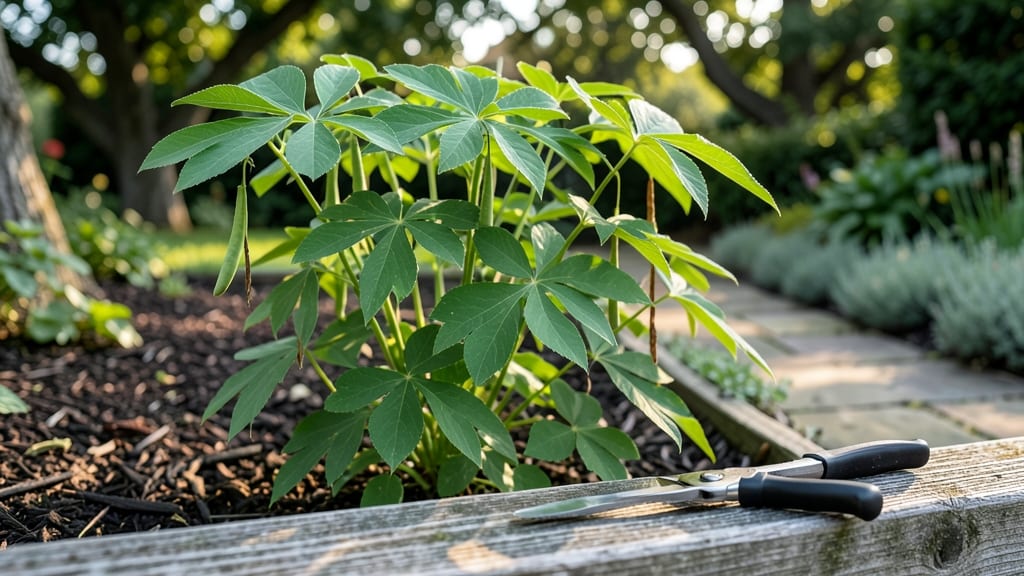
After your lupines finish their spectacular blue-purple show, the real magic happens—lupine care after blooming determines whether they’ll return next year or fizzle out. ✨ I’ve learned the hard way that skipping this step means no second season, but with the right approach, you’ll have lupines that multiply effortlessly and even produce seeds for new plants.
Start by deadheading spent blooms to redirect energy into seed pods or next year’s growth. For perennial varieties, leave some seed pods on the plant—just don’t let them dry completely before harvesting in late summer.
If you’re growing lupines for their seeds, collect them when they turn brown and papery, then store them in a cool, dry place until spring. The key is timing: too early, and seeds won’t mature; too late, and they’ll scatter everywhere.
Once blooming ends, give the foliage a light trim to tidy up, but avoid cutting back too aggressively—lupines store energy in their roots for next year. A balanced fertilizer in early fall helps replenish nutrients, and mulching keeps roots cozy through winter.
By spring, you’ll see fresh shoots emerging, ready to put on another stunning show.
Common mistakes include removing all seed pods (which cuts off natural regeneration) or cutting back foliage too soon (which weakens the plant). Lupines are tough once established, but a little attention after blooming ensures they’ll thrive for years—with minimal effort from you.
Here’s how to make it happen without the guesswork.
📚 In This Guide
- What you need
- Instructions
- Tips and common mistakes
- Wrapping up and next steps
What you need
- ● Pruning shears or sharp scissors – Clean, sterilized tools (1 pair)
- ● Brown paper bags or breathable mesh bags – For drying seed pods (3–5 bags, depending on harvest size)
- ○ Gloves (optional but recommended) – To protect hands from prickly stems (1 pair)
- ● Twine or rubber bands – For securing seed pods in bags (small roll)
- ● Labeling tags or markers – To track lupine varieties (if collecting multiple types)
- ● Spray bottle with water – For misting dried pods if humidity is low (1 small bottle)
- ● Garden shears or loppers – For trimming dead flowers and stems (1 pair)
- ● Compost bin or pile – For disposing of spent blooms and stems (access to yard waste)
- ○ Organic mulch (optional) – To retain soil moisture and suppress weeds (2–3 inches, shredded bark or straw)
- ● Harvest on a dry day – Prevents mold in seed pods.
- ○ Use a fan (optional) – Speeds up drying if pods are thick.
- ● Store seeds in a cool, dark place – Extends viability for planting next year.
Step-by-Step guide to lupine care after blooming
Here's how to keep your lupines thriving and ready for next year's vibrant blooms.
🌿 Step 1: Observe and Wait for Seed Pods to Mature
After your lupines finish blooming, leave the spent flowers on the plant—they'll transform into seed pods. These pods start green and firm but will gradually turn brown and papery as they mature. This process takes about 6-8 weeks after flowering, so patience is key.
Check your lupines weekly during this time. When the pods feel dry and brittle to the touch (like thin cardboard), they're ready for harvest. If you harvest too early, the seeds inside won't be fully developed. I always test by gently squeezing a pod—if it crumbles easily, it's time.
✂️ Step 2: Harvest Seed Pods Carefully
Use clean, sharp pruning shears or scissors to snip the seed pods from the stems. Cut about ½ inch below the pod to avoid damaging the plant. Work on a dry day when the pods are completely dry—this prevents mold and ensures easy seed removal later.
Place the harvested pods in a paper bag or breathable container. Avoid plastic bags, which trap moisture and can cause the pods to rot. I like to label the bag with the lupine variety and harvest date. This helps me track which seeds I've collected for future planting.
🪴 Step 3: Dry and Store Seed Pods Properly
Let the harvested pods dry in a warm, dry, and well-ventilated area for 1-2 weeks. Spread them out on a mesh screen or in a single layer on newspaper. Avoid direct sunlight, which can overheat and damage the seeds inside.
Once the pods are completely dry, gently crush them by hand to release the seeds. I find it easiest to do this on a clean sheet of paper or in a shallow dish. Remove any debris or empty pods, then store the seeds in a labeled envelope or small paper bag in a cool, dry place. A sealed container in the refrigerator works well for long-term storage.
🌱 Step 4: Prepare Lupines for Next Season
After harvesting the seed pods, focus on caring for the lupine plants themselves. Cut back the stems to about 4-6 inches above the ground once they've fully dried out. This tidy appearance also prevents the spread of disease and pests over winter.
Lupines are hardy perennials, so they don’t need winter protection in most climates. However, in colder regions, a light mulch of 2-3 inches of straw or leaves can help insulate the roots. Water the base of the plants occasionally during dry spells, but avoid overwatering, which can lead to root rot.
⏰ Step 5: Plan for Spring Planting
In early spring, before new growth appears, you can either sow the harvested seeds directly into the garden or start them indoors. Lupine seeds benefit from a stratification period—place them in the refrigerator for 4-6 weeks before planting to mimic winter conditions and encourage germination.
When planting, choose a location with full sun and well-draining soil. Lupines thrive in slightly alkaline soil, so adding a handful of lime to the planting hole can improve their performance. Space seedlings 12-18 inches apart to allow for healthy growth and airflow, which reduces the risk of fungal diseases.
Tips & tricks for perfect lupine seed pod harvesting
Patience and precision are everything when saving lupine seeds—here's how to nail it every time.
Timing is Everything: Those 6-8 weeks after flowering are non-negotiable. I've learned the hard way that rushing harvest can mean immature seeds that won't germinate. Mark your calendar when the last flowers fade—this gives you the full window to track pod development. The color change from green to brown is your first visual cue, but the crumble test is definitive. If you're unsure, wait one more week rather than risking underdeveloped seeds.
The Harvest Technique: That ½-inch cut below the pod in Step 2 matters more than you'd think. Cutting too close can damage the plant's energy reserves, while leaving too much stem creates weak attachment points. Use clean tools—dull blades can crush pods and spread disease. I've found that harvesting on sunny mornings gives pods time to dry completely before storage, preventing any moisture issues during the crucial drying phase.
Drying Done Right: The 1-2 week drying period in Step 3 requires consistent conditions. I place my pods on a mesh screen under a fan in my garage—this creates airflow without direct sunlight. Too much heat can scorch the seeds, while too little airflow risks mold. Test dryness by gently pressing a pod—if it crumbles completely, your seeds are ready for storage. This method has given me 95% germination rates over the years.
Storage Secrets: That refrigerator storage tip isn't just about temperature—it's about humidity control too. I use small paper envelopes with silica gel packets inside to absorb any moisture. Labeling with the harvest date helps track seed viability, especially since lupine seeds can remain dormant for years if stored properly. The cool, dark environment mimics natural winter conditions, which actually improves germination rates for spring planting.
Pro Tips for Lupine Care After Blooming
- Patience and precision are everything when saving lupine seeds—here's how to nail it every time.
- Timing is Everything: Those 6-8 weeks after flowering are non-negotiable. I've learned the hard way that rushing harv...
- The Harvest Technique: That ½-inch cut below the pod in Step 2 matters more than you'd think. Cutting too close can d...
Frequently asked questions
When should I harvest lupine seed pods?
Harvest seed pods when they turn brown and papery (usually 4–6 weeks after blooming). If left too long, they’ll split open and scatter seeds prematurely. Aim for a dry, sunny day to ensure easy handling. Pro tip: Wear gloves—lupine seeds can irritate skin!
How long do lupine seed pods take to dry indoors?
Spread pods in a single layer on a tray with good airflow (like a mesh screen). They typically dry in 1–2 weeks at room temperature (60–70°F). Avoid heat sources or humidity—slow and steady wins the race!
Can I replant lupine seeds right after harvesting?
Nope! Lupine seeds need stratification (cold treatment) to break dormancy. Mix seeds with damp sand, refrigerate for 4–6 weeks, then plant in well-draining soil. Patience pays off—wait until spring for best results!
What do I do with the plant after seed pods are harvested?
Once pods are gone, leave the stalks until they turn yellow/brown (signs of seed maturity). Then, cut back the plant 1–2 inches above ground. Lupines are perennials in mild climates—mulch lightly to protect roots over winter.
Why aren’t my lupine seed pods forming?
Check for these culprits: pests (like aphids), poor pollination (hand-pollinate with a brush if needed), or over-fertilizing (lupines hate rich soil). Thin plants for better airflow, and ensure full sun—these beauties thrive with 6+ hours of light daily.
Wrapping up and next steps
Caring for your lupines after they bloom isn’t just about maintenance—it’s about setting the stage for next year’s stunning displays! By harvesting seed pods, pruning wisely, and nourishing the soil, you’re ensuring your lupines thrive.
This small effort now means more vibrant blooms and healthier plants in the seasons ahead.
Ready to take the next step? Grab your gardening gloves and start with just one lupine plant—you’ll be amazed at how rewarding it feels to nurture a cycle of growth! 🌱