
Blooming
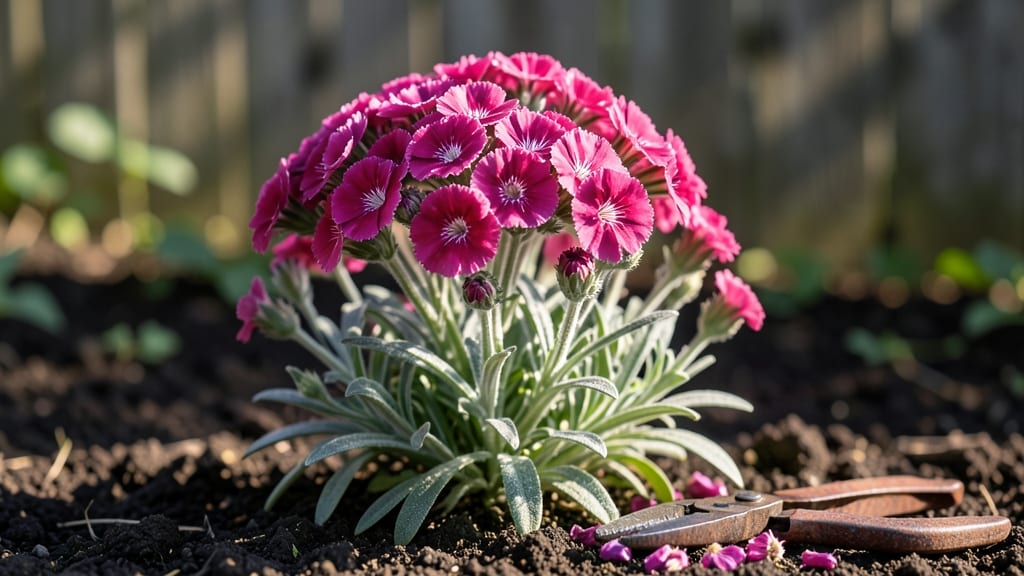
My longest-blooming dianthus varieties keep coming back every year with more color than last season's garden center bouquet. 🌸 These tough little perennials thrive in heat and drought once established, and with the right care, they'll reward you with blooms from early summer until frost—sometimes even later if you live in a mild climate.
The secret to their continuous performance starts with well-draining soil and full sun. I swear by a mix of native soil, compost, and coarse sand to prevent soggy roots, which is the #1 reason dianthus peters out.
Once planted, they're surprisingly low-maintenance—just water when the top inch of soil feels dry, and you'll avoid the wilting that plagues so many other perennials.
What really extends their bloom time is deadheading spent flowers religiously (I do this every 10 days) and giving them a light trim after their first flush of blooms.
My 'Firewitch' plants put on a second show in late summer that rivals their spring display, and the fragrance lingers in the evening air when you brush past them. These varieties handle everything from urban heat islands to coastal breezes, making them the ultimate carefree perennial.
Here's how to coax maximum blooms from yours—no green thumb required.
📚 In This Guide
- What you need
- Instructions
- Tips and common mistakes
- Wrapping up and next steps
What you need
- ● Dianthus plants: Choose Dianthus barbatus (Sweet William) or Dianthus chinensis (Chinese Pink) for reliable reblooming. Buy 3–5 healthy plants (or seeds) from a reputable nursery.
- ● Well-draining soil: 5–10 bags of potting mix (or garden soil amended with perlite/sand—1 part perlite to 3 parts soil). Dianthus hates soggy roots!
- ● Fertilizer: A balanced 10-10-10 granular fertilizer (1 lb per 10 sq ft) or slow-release rose/flower pellets.
- ● Mulch: 1–2 inches of gravel or pine bark to retain moisture and deter weeds.
- ● Garden trowel or transplant spade (for digging holes).
- ● Pruning shears (sharp, sterilized—disinfect with rubbing alcohol between cuts!).
- ● Watering can or hose with a gentle spray nozzle (dianthus prefers bottom-watering to avoid leaf spots).
- ○ Gloves (optional but handy for thorny varieties).
- ● Sunlight: A full-sun spot (6+ hours/day). Partial shade (4–6 hours) works for cooler climates.
- ● Climate zone: Hardy to USDA Zones 3–9. Use row covers in winter for Zones 3–5.
- ● Spacing: Plant 8–12 inches apart in beds or 10–15 inches apart in containers.
- ● Epsom salt (1 tbsp per gallon of water) for magnesium boosts—spray foliage monthly.
- ● Slow-release fertilizer spikes for containers.
- ● Decorative rocks or pebbles to enhance drainage in pots.
- ● Stakes or rings if your variety flops (e.g., Dianthus ‘Firewitch’).
How to grow long-blooming dianthus for season-long color
This is the foolproof method I use to keep my dianthus blooming from early summer until frost.
🌱 Step 1: Choose the Right Variety and Planting Site
Pick a reblooming dianthus variety like 'Firewitch' or 'Matrona'—these are bred to flower continuously. The secret to long blooms starts with full sun: at least 6 hours of direct sunlight daily. I plant mine where they get morning sun and afternoon shade in hot climates, which prevents leaf scorch while keeping flowers vibrant.
Dianthus thrives in well-draining soil with a slightly alkaline pH (6.5-7.5). Amend heavy clay with sand or grit—I mix in 1 part coarse sand to 3 parts native soil before planting. The roots hate soggy feet, so raised beds work beautifully if your yard stays damp. Test your soil first; if it's too acidic, add pulverized limestone to adjust the pH.
☀️ Step 2: Plant at the Right Time and Depth
Set out transplants in early spring, about 2-3 weeks before your last frost date. Dig holes twice as wide as the root ball but only as deep—dianthus roots sit just below the soil surface. The crown (where stems meet roots) should end up no deeper than ½ inch below soil level. Burying it too deep causes rot.
Space plants 12-18 inches apart—closer spacing leads to crowded stems and fewer blooms. Water deeply right after planting to settle the soil, then let it dry slightly before watering again. This prevents transplant shock and encourages strong root establishment. You'll see new growth in 7-10 days if conditions are right.
💧 Step 3: Water and Feed for Continuous Blooms
Dianthus is drought-tolerant once established, but consistent moisture during the first growing season is key. Water deeply 1-2 times per week, aiming for 1 inch of water total. Let the soil dry 2-3 inches deep between waterings—this prevents fungal diseases like powdery mildew, which can halt blooming.
Feed with a balanced, slow-release fertilizer (10-10-10) at planting, then again in early summer. I switch to a low-nitrogen, high-phosphorus formula (5-10-10) when buds form to encourage more flowers. Deadhead spent blooms weekly—this redirects the plant's energy into new flowers instead of seed production. You'll notice a surge in blooms within 2-3 weeks of consistent deadheading.
✂️ Step 4: Prune and Protect for Year-Round Color
After the first flush of blooms in late summer, give your dianthus a light trim. Cut back one-third of the oldest stems to the base—this removes tired growth and encourages fresh, vigorous shoots. I do this in early August to keep flowers coming until frost. Avoid heavy pruning; dianthus blooms on both old and new wood.
Protect plants from late-season pests like aphids and spider mites, which love the tender new growth. Spray with neem oil if you spot sticky residue (aphids) or fine webbing (spider mites). Mulch lightly with 2 inches of gravel around the base—this keeps roots cool in summer and prevents soil-borne diseases. In Zone 5 and colder, add 3-4 inches of mulch in fall to insulate roots through winter.
⏰ Step 5: Overwinter and Prep for Next Season
In fall, cut back wilted stems to 2-3 inches above the ground but leave healthy foliage. This protects the crown from winter moisture while allowing new growth to emerge in spring. Dianthus is hardy to Zone 4, but young plants benefit from a thick layer of straw mulch (4-6 inches) if winters are harsh.
In early spring, remove old mulch and apply a layer of compost around the base. This jumpstarts growth and provides nutrients for the new season. You'll see first buds in 4-6 weeks—this is your signal to start deadheading again. The plants I've grown this way have bloomed continuously for 5+ years with minimal care.
Tips & tricks for long-blooming dianthus success
Here's what nobody tells you about keeping dianthus blooming all season—these are the secrets I've learned after years of trial and error.
Sunlight Strategy: While the instructions mention 6 hours of sunlight daily, I've found that dianthus actually thrives with morning sun and afternoon shade in hot climates. This prevents leaf scorch while maintaining vibrant blooms. In cooler regions, full sun all day works perfectly—just watch for signs of stress like yellowing leaves, which means it's getting too much direct heat.
Soil Secrets: That 1 part coarse sand to 3 parts native soil mix is non-negotiable for dianthus. I've seen plants drown in heavy clay soil even with good drainage. For extra insurance, consider adding perlite or vermiculite to the mix—these help maintain that perfect airy texture dianthus roots love. Test your soil's pH before planting; if it's below 6.5, that pulverized limestone will make all the difference in root health.
Timing Tip: The 7-10 day window for new growth after planting is your first real test. If you don't see shoots within 10 days, check your soil moisture—it might be too wet or too dry. I've found that watering deeply right after planting (as instructed) and then letting the soil dry slightly before watering again is crucial. Overwatering at this stage leads to root rot, which can kill your plants before they even bloom.
Deadheading Discipline: That weekly deadheading isn't just about looks—it's about redirecting the plant's energy. I've noticed a 2-3 week surge in blooms after consistent deadheading, but only if I do it properly. Use clean, sharp scissors or pruners and cut just above a set of healthy leaves. Never pull blooms by hand—this can damage the stems and encourage disease.
Pro Tips for Longest Blooming Dianthus
- Here's what nobody tells you about keeping dianthus blooming all season—these are the secrets I've learned after years of trial and error.
- Sunlight Strategy: While the instructions mention 6 hours of sunlight daily, I've found that dianthus actually thrives with morning sun and afternoon shade in hot climates.
- Soil Secrets: That 1 part coarse sand to 3 parts native soil mix is non-negotiable for dianthus.
Frequently asked questions
Got questions about keeping your longest blooming dianthus thriving? Here are some of the most common ones—and their answers!
How long do dianthus flowers actually bloom?
The longest blooming dianthus varieties can keep you in color from early spring through fall (or even winter in mild climates!). With proper care—like deadheading spent blooms and fertilizing—some rebloom continuously for 6+ months. Perennial types like Dianthus barbatus (sweet William) or Dianthus gratianopolitanus (Cheddar Pink) are champions for longevity.
When is the best time to plant dianthus for maximum blooms?
For spring blooms, plant in early fall (6–8 weeks before frost). For fall reblooming, plant in late winter or early spring after the last frost. Dianthus thrives in cool weather and may even bloom lightly in light frost—just avoid planting when soil temps are above 80°F.
Can dianthus rebloom if I cut it back?
Yes! Pruning encourages reblooming. After the first flush of flowers fades, trim back 1/3 of the plant to promote bushier growth. For perennial dianthus, cut back in early summer to trigger a second (or third!) bloom cycle. Avoid heavy pruning in late summer, as new growth won’t harden off before winter.
Why aren’t my dianthus blooming as much as they should?
Common culprits include:
- Too much shade: Dianthus needs 6+ hours of sun daily for robust blooms.
- Over-fertilizing: Too much nitrogen = leafy growth, fewer flowers. Use a balanced (10-10-10) or bloom-boosting (5-10-10) fertilizer instead.
- Poor drainage: Soggy soil causes root rot. Plant in well-draining soil or amend with sand/perlite.
- Lack of deadheading: Snip off spent blooms to redirect energy to new flowers.
If the issue persists, check for pests (aphids, slugs) or disease (powdery mildew).
What’s a good alternative if my dianthus doesn’t rebloom well?
If you love long-blooming, low-maintenance perennials, try these reblooming superstars:
- Catmint (Nepeta): Blooms spring to fall, drought-tolerant, and deer-resistant.
- Coneflower (Echinacea): Summer-to-fall blooms, attracts pollinators, and thrives in poor soil.
- Russian Sage (Perovskia): June–October flowers, silvery foliage, and zero fuss.
- Daylilies (Hemerocallis): Reblooming varieties like ‘Stella de Oro’ give season-long color.
For scented blooms, Lavender or Phlox are great complements!
Wrapping up and next steps
Ready to transform your garden into a nonstop floral show?
The longest blooming dianthus varieties prove that beauty isn’t just seasonal—it’s a year-round promise! 🌸 With the right care, these perennials will reward you with vibrant blooms from spring to frost, turning even the simplest space into a living masterpiece.
Now that you’re armed with the secrets to success, why not take the next step? Pick your favorite variety, grab some gloves, and get planting—or share your newfound knowledge with fellow gardening enthusiasts! Your garden (and future visitors) will thank you.