
Pruning
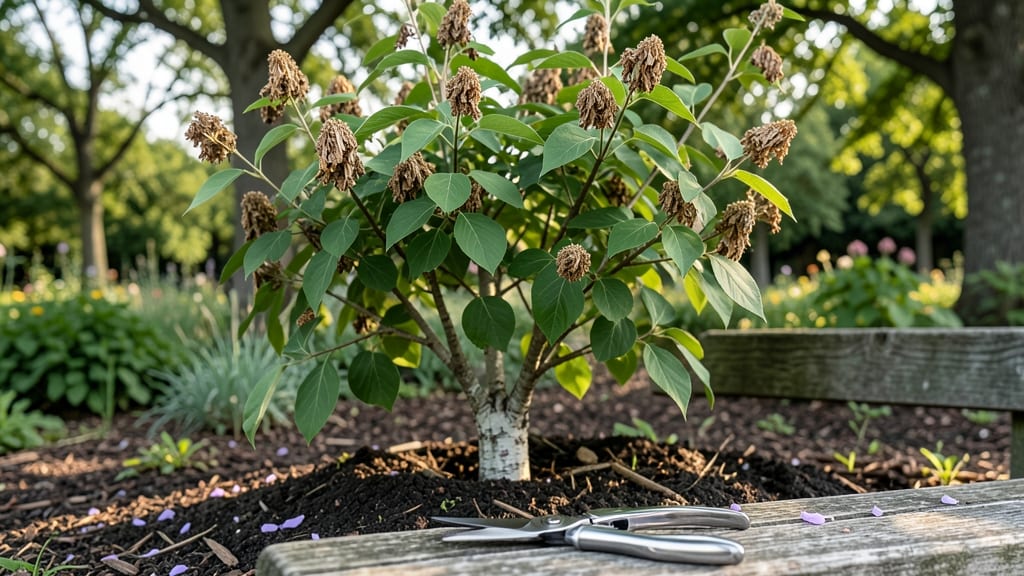
Pruning lilacs after bloom isn’t just about tidying up—it’s the secret to next year’s showstopper flowers. ✂️ I’ve watched my lilacs go from sparse blooms to lush, fragrant clusters after mastering this timing. The key?
Cutting right after flowering, but before new growth hardens—typically late May to early June in most climates. You’ll need sharp bypass pruners (dull blades tear bark), a bucket for clippings, and a clear day to avoid spreading disease.
The goal is to shape the bush while encouraging next season’s flower buds, which form on last year’s wood. Skip this step, and you risk leggy growth or fewer blooms. What you’re left with is a bush that fills your yard with fragrant purple clouds every spring.
The pruned branches also make great cut flowers—just snip stems at an angle and enjoy them indoors for days. This method works for all lilac varieties, from classic French hybrids to compact dwarf types. Fair warning: Over-pruning reduces next year’s blooms, and cutting into old wood removes future flowers.
But when done right, you’ll have a lilac bush that’s both beautiful and impossibly productive. Here’s exactly how to do it without a single guess.
📚 In This Guide
- What you need
- Instructions
- Tips and common mistakes
- Wrapping up and next steps
What you need
- ○ Pruning shears (bypass or anvil type) – Choose sharp, clean shears (4–6" blades) for precise cuts. Optional: Loppers (8–10") for thicker branches.
- ● Hand pruners (felco or similar) – For smaller stems (1/4"–3/4" diameter). Pro tip: Disinfect with rubbing alcohol between cuts to prevent disease!
- ○ Gloves (heavy-duty) – Protect your hands from thorns and sap. Optional: Long sleeves for extra defense.
- ● Ladder or step stool – For reaching higher branches (3–6 ft tall lilacs need this!). Safety first: Use a stable, non-slip model.
- ● Pruning saw (if needed) – Only for very thick stems (>1" diameter). A bow saw or curved pruning saw works best.
- ● Disposable pruning bags or bucket – Collect debris for composting or disposal.
- ● Marking twine or flags – Helps track cuts if you’re working in stages.
- ● Timing – Prune right after the lilac’s spring bloom (late May–early June) to encourage reblooming.
- ● Weather check – Choose a dry, overcast day to avoid stressing the plant.
- ● Plant health assessment – Inspect bushes for dead, diseased, or crossing branches before cutting.
- ● Sharpener or honing tool – Keep blades razor-sharp for clean cuts (prevents tearing).
- ● Compost or mulch – Have this ready to replenish soil after pruning.
- ● Pruning sealant – For large cuts (>1" diameter) to prevent disease entry.
- ● Plant food (balanced fertilizer) – Apply post-pruning to boost reblooming vigor.
- ● Camera or sketchbook – Document the bush’s shape before cutting (great for reference!).
- ● Earplugs (if you’re sensitive to noise) – Lilacs can be loud when pruned!
Step-by-Step instructions for lilac prune after bloom
Here's how to revive your lilacs' blooming power with surgical precision.
✂️ Step 1: Wait Until Flowers Fade Completely
Don't prune until all blooms have fully faded and browned—this ensures next year's buds form properly. I wait until the last spent flower cluster turns a dull brown color, usually 4-6 weeks after peak bloom. Pruning too early removes next year's flower buds, which form on old wood.
Check your lilac's blooming cycle: early bloomers (like 'Katherine Havemeyer') may need pruning by early summer, while late varieties can wait until late July. If you prune while any green buds remain, you'll sacrifice next year's show entirely.
✂️ Step 2: Identify Last Year's Growth and Dead Wood
Examine your shrub carefully—you're looking for last year's growth (where this year's flowers bloomed) and any dead or crossing branches. Healthy wood has a smooth, greenish-brown bark, while dead wood feels dry and snaps easily. Remove these first with clean, sharp pruners.
I like to make a mental note of the shrub's natural shape before cutting. Lilacs grow in a vase-like form, so I aim to maintain that open center. Never remove more than 1/3 of the plant's total growth in one season—this stresses the shrub unnecessarily.
✂️ Step 3: Cut Back to the First Set of Healthy Buds
Make your cuts just above a bud that faces outward on the stem, using a 45-degree angle to prevent water from pooling. This encourages new growth to fill the center. I cut back to where I see the first cluster of 3-5 healthy buds—these will produce next year's flowers.
Never leave stubs or cut into the branch collar (the swollen area where branches meet). This creates entry points for disease. For thicker branches, use loppers to make clean cuts without tearing the bark. Step back frequently to check your progress—you want an open, airy shape that lets light reach the center.
✂️ Step 4: Thin Out Overcrowded Branches
Look for branches growing inward or crossing others—these compete for sunlight and nutrients. Remove these entirely at their base, cutting back to the main trunk or larger branch. I prioritize branches that haven't produced flowers in years, as they're clearly past their prime.
Thinning improves air circulation, which prevents fungal diseases like powdery mildew. Aim to reduce branch density by about 20-30%. If your lilac has become too dense, spread this over 2-3 years to avoid shocking the plant.
💧 Step 5: Clean Up and Fertilize for Recovery
After pruning, remove all debris from the area and sterilize your tools with rubbing alcohol. Water deeply to help the plant recover, then apply a balanced fertilizer (10-10-10) to encourage new growth. I avoid high-nitrogen fertilizers—they promote leafy growth at the expense of flowers.
Mulch around the base with 2-3 inches of organic mulch to retain moisture and protect roots. Avoid piling mulch against the trunk. Your lilac will need 4-6 weeks to recover before showing signs of new growth—be patient, and you'll see stronger blooms next season.
Tips & tricks for perfect lilac pruning after bloom
These precision-focused tips will help you transform your lilac into a blooming powerhouse next season.
Timing is Everything: The 4-6 week window after peak bloom is non-negotiable for lilacs. I've learned this the hard way—pruning too early when buds are still forming means sacrificing next year's flowers entirely. Mark your calendar based on your specific variety: early bloomers like 'Katherine Havemeyer' need attention by early summer, while late varieties can wait until late July. Pro tip: Snap a photo of your lilac when it's in full bloom to track the 4-6 week timeline visually.
The 1/3 Rule: When you're identifying last year's growth in Step 2, remember this golden rule: never remove more than one-third of the plant's total growth in a single season. Lilacs are resilient but not indestructible. I once pruned back 40% of an old lilac bush and it took three years to recover. The plant needs its existing foliage to photosynthesize and fuel new growth. Think of it as a haircut—you wouldn't shave off half your head in one visit!
Bud Identification Secret: In Step 3, when you're cutting back to the first set of healthy buds, look for clusters of 3-5 buds that face outward. These are your flower factories for next season. I've found that buds closer to the center of the stem tend to be healthier and more productive. If you're unsure which buds are healthy, gently scratch the bark—green underneath means it's alive and kicking. The 45-degree angle cut isn't just for aesthetics; it prevents water from pooling at the wound, which could lead to rot or disease.
Thinning Strategy: For Step 4, think of your lilac like a bustling city—you want good air circulation to prevent traffic jams (or in this case, fungal diseases). When thinning overcrowded branches, prioritize removing branches that haven't produced flowers in the past two years. These are clearly past their prime and are just taking up valuable real estate. Spread any major thinning over 2-3 years if your lilac looks particularly dense—this gives the plant time to adjust without going into shock.
Pro Tips for Lilac Prune After Bloom
- These precision-focused tips will help you transform your lilac into a blooming powerhouse next season.
- Timing is Everything: The 4-6 week window after peak bloom is non-negotiable for lilacs.
- The 1/3 Rule: When you're identifying last year's growth in Step 2, remember this golden rule: never remove more than one-third of the plant's total growth in a single season.
Frequently asked questions
Got questions about pruning lilacs after their bloom?
Here are the most common ones—plus clear, actionable answers to keep your shrubs thriving!
When is the best time to prune lilacs after blooming?
Prune lilacs immediately after flowering (late spring to early summer) to encourage next year’s blooms. Wait too long, and you risk cutting off next season’s flower buds, which form on old wood. Think of it as a post-party cleanup—tidy up while the energy is still there!
How much of the lilac can I cut back?
Remove 1/3 of the oldest stems (those without blooms) at the base to rejuvenate the shrub. For younger lilacs, trim just the dead or crossing branches. Avoid heavy pruning—lilacs bloom on last year’s growth, so less is often more!
What if my lilac doesn’t bloom after pruning?
No blooms? You likely pruned too late or too aggressively. Lilacs need old wood for flowers—skip pruning if buds are already forming. Next time, prune right after blooms fade and avoid cutting back more than 1/3 of the plant.
Can I shape lilacs into a hedge after blooming?
Yes! Lightly thin out overgrown areas and trim only the new growth to maintain shape. Avoid shearing heavily—it stresses the plant. For a hedge, prune gradually over 2–3 years to encourage dense, healthy growth.
Are there alternatives if my lilac looks sad after pruning?
If your lilac struggles post-prune, try fertilizing with high-phosphorus food (like 10-10-10) in early spring. Mulch the base to retain moisture, and consider transplanting if the soil is poor. Some varieties (like ‘Dwarf Korean’) are more forgiving—swap if needed!
Wrapping up and next steps
Mastering the art of lilac prune after bloom isn’t just about keeping your shrubs tidy—it’s about unlocking their full potential for stunning rebloom revival! By following precise trimming techniques, you’ll encourage healthier growth, vibrant flowers, and a well-shaped shrub that steals the show year after year. 🌸✂️
Now that you’re armed with the right tools and know-how, roll up your sleeves and give your lilacs the care they deserve. Start with a single shrub, practice your cuts, and watch your garden transform into a blooming paradise. Happy pruning!