
Blooming
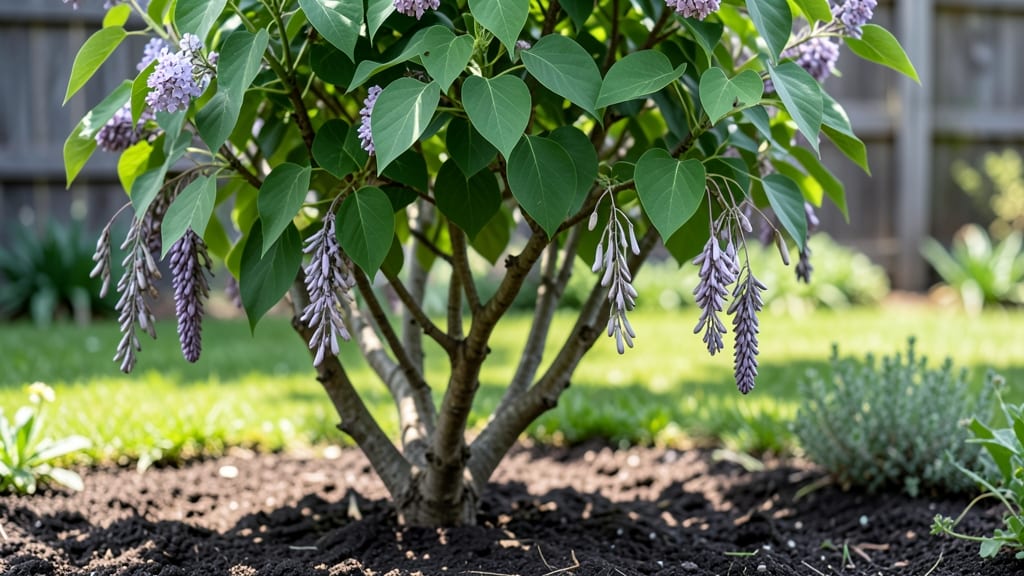
After your lilac bush finishes its fragrant spring show, the real work begins. 🌸 Pruning after blooming isn’t just about tidying up—it’s how you guarantee next year’s perfume-filled display.
I’ve learned the hard way that timing and technique make all the difference between a bush that fades and one that thrives. The key window opens right after flowers fade but before new buds form—usually late spring to early summer.
Grab your pruners and cut just above the first set of healthy leaves on each stem. This simple step removes dead wood while encouraging fresh growth for next season’s blooms. You’ll notice new shoots appearing within weeks, and by summer’s end, your bush will look fuller than ever.
The secret? Pruning stimulates energy flow to the strongest stems, not the old wood that’s already done its job. Works for all lilac varieties, whether you’re dealing with a mature bush or a young one just starting its life cycle. Let’s get those stems trimmed for a showstopper next spring!
📚 In This Guide
- What you need
- Instructions
- Tips and common mistakes
- Wrapping up and next steps
What you need
- ● Pruning shears: Bypass pruners (sharp, clean, and capable of cutting ¼-inch stems—blank">Felco F-2 or blank">Gonicc brands are top picks). Quantity: 1 pair.
- ● Loppers: For thicker stems (½-inch+ diameter)—look for ratcheting or bypass loppers with a 10-12 inch blade. Quantity: 1 pair.
- ○ Hand pruners (optional but handy): For delicate trimming of smaller branches. Quantity: 1 pair (if needed).
- ● Disinfectant: 70% isopropyl alcohol or a pruning sealant (like Tanglefoot Pruning Seal) to prevent disease spread. Quantity: Small bottle.
- ● Gloves: Garden gloves (nitrile-coated for grip and protection). Quantity: 1 pair.
- ● Safety glasses: To shield eyes from debris. Quantity: 1 pair.
- ● Trash bags or bucket: For collecting pruned branches. Quantity: 1-2 large bags or a 5-gallon bucket.
- ● Ladder (if needed): For tall lilac bushes (6+ feet)—use a stable, non-slip ladder. Quantity: 1.
- ● Hose or water spray bottle: To clean tools between cuts and rinse sap off hands.
- ● Sharpener: A stone or pull-through sharpener to keep blades razor-sharp mid-pruning.
- ● Marking twine or flags: To tag branches for removal (helpful for complex pruning plans).
- ● Compost bin: For recycling pruned branches into nutrient-rich compost.
- ● First-aid kit: Just in case—lilac thorns can be sneaky! 🩹
Instructions for pruning your lilac bush after blooming
Here's the simple, science-backed method I use every year to keep my lilacs blooming bigger and more fragrant.
✂️ Step 1: Time Your Pruning Perfectly After Flowers Fade
Wait until after the blooms have completely faded and browned—this is your signal that the plant has finished flowering for the season. Pruning too early removes next year's flower buds already forming on last year's growth. I usually prune in mid-to-late summer, around July or August, when the flowers have turned brown and fallen.
If you prune right after blooming, you'll be cutting off next year's flowers. The lilac's flower buds form on one-year-old wood, so wait until you see all the spent blooms before touching your shears. This ensures you're only removing old, unproductive growth while preserving next season's potential.
✂️ Step 2: Remove Dead, Weak, and Crossing Branches First
Start by identifying and cutting out any dead, diseased, or weak branches—these are easy to spot as they're brown, brittle, or don't have leaves. Next, look for branches that are rubbing against each other (crossing branches) or growing inward toward the center of the bush. These compete for sunlight and air circulation, leading to poor blooms and potential disease.
Use sharp pruning shears to make clean cuts at a 45-degree angle just above a bud or outward-facing leaf. Never leave stubs—this invites rot and weakens the plant. I like to step back every few cuts to visualize the bush's shape. You're not shaping it yet, just removing what's clearly unhealthy or obstructive.
✂️ Step 3: Thin Out Overcrowded Growth for Better Airflow
Lilacs naturally grow in a dense, multi-stemmed form, but too many stems mean smaller flowers and poor airflow. Selectively remove one-third of the oldest stems at the base—these are the thickest, woodiest branches that no longer produce strong blooms. Cut them off completely, right at the ground level.
This might sound drastic, but it's what keeps lilacs thriving. You'll see fewer but larger stems remaining, each with more energy to produce bigger, more fragrant blooms next year. I always prune on a dry day to avoid spreading disease through wet cuts, and I sterilize my shears with rubbing alcohol between cuts.
✂️ Step 4: Lightly Shape the Bush for Balance and Form
Now you can do a light shaping pass to open up the center of the bush and encourage airflow. Focus on outer branches—lilacs naturally grow in a rounded form, so avoid cutting too much from the center. Trim back the tips of some branches by one-third to encourage bushier growth and more flowers.
Look for branches that are growing straight up (called "water sprouts")—these take energy from the plant without contributing to blooms. Cut these back to a side bud or branch. Avoid heavy pruning here; lilacs respond best to gradual shaping over time. Step back often to check your progress—you want a rounded, open shape, not a flat-topped hedge.
💧 Step 5: Clean Up and Feed for Next Season’s Growth
After pruning, remove all clippings from the area to prevent disease. Lilac prunings can harbor pests and fungi, so don't compost them under the bush. Instead, dispose of them in yard waste or burn them if possible. I also like to water deeply right after pruning to help the plant recover and encourage new root growth.
Apply a balanced, slow-release fertilizer (like 10-10-10) in early fall to give your lilac the nutrients it needs for next year's blooms. Avoid heavy fertilizing right after pruning—it can encourage leafy growth at the expense of flowers. Instead, let the plant focus on healing and storing energy for spring. Mulch around the base with 2-3 inches of organic mulch to retain moisture and protect roots over winter.
Tips & tricks for perfect lilac bush pruning
Here's what nobody tells you about getting your lilac bush ready for next year's showstopper blooms.
Timing is Everything: The mid-to-late summer window (July-August) is non-negotiable for lilacs. I learned this the hard way after pruning too early and ending up with sparse blooms the following spring. Wait until all flowers have completely browned and fallen—this means the plant has finished flowering for the season and won't sacrifice next year's buds. If you're unsure, do a quick tug test: if the flower head comes off easily, it's ready.
Tool Prep Makes All the Difference: Before you even touch your lilac, sterilize your pruning shears with rubbing alcohol to prevent spreading disease. I also recommend using sharp, bypass pruners—they make clean cuts that heal faster. Dull blades crush stems, inviting infections. And here's a pro move: wipe down your tools with a clean cloth after each cut to remove any sap or debris that could harbor pathogens.
Shape with Purpose: When you're doing that light shaping pass in Step 4, think of lilacs like a natural fountain—they should have a rounded, open shape that allows sunlight to reach all branches. Avoid cutting too much from the center; lilacs naturally grow in a multi-stemmed form. Instead, focus on outer branches and those water sprouts growing straight up. These vertical growths steal energy from flower production, so cutting them back to a side bud redirects that energy to where it matters most.
Post-Pruning Care is Critical: After you've finished pruning, don't just walk away! Remove all clippings from the area immediately to prevent disease. I place them in a sealed bag and dispose of them in yard waste—never compost them under the bush. Then give your lilac a deep watering to help it recover. This isn't just about hydration; it's about signaling to the plant that it's time to focus on healing and storing energy for next year's spectacular display.
Pro Tips for Lilac Bush After Blooming
- Here's what nobody tells you about getting your lilac bush ready for next year's showstopper blooms.
- Timing is Everything: The mid-to-late summer window (July-August) is non-negotiable for lilacs.
- Tool Prep Makes All the Difference: Before you even touch your lilac, sterilize your pruning shears with rubbing alcohol to prevent spreading disease.
Frequently asked questions
Got questions about what to do with your lilac bush after it blooms? You’re not alone! Here are some of the most common concerns—and straightforward answers—to help you keep your bush thriving for next season.
When is the best time to prune a lilac bush after blooming?
Prune your lilac bush right after it finishes flowering—usually between late spring and early summer (May to June). This timing ensures you don’t cut off next year’s blooms, which form on old wood. Avoid heavy pruning in fall or winter, as lilacs need time to heal before cold weather hits.
How much can I trim back a lilac bush after it blooms?
For most lilacs, never remove more than 1/3 of the plant’s total growth in a single year. Focus on shaping by trimming back overgrown branches to just above a set of healthy buds (about 1/4 inch in diameter). Dead or crossing branches can be cut back to the base. Pro tip: Use clean, sharp pruners to avoid tearing the bark.
Will pruning my lilac bush after blooming encourage more flowers next year?
Yes! Pruning correctly after blooming removes spent flowers and promotes stronger, bushier growth for next season. Just avoid "rejuvenation pruning" (cutting back to the ground), as this can delay blooming for 1-2 years. Think of it as a light trim, not a drastic makeover.
What should I do if my lilac bush hasn’t bloomed at all this year?
If your lilac is skipping blooms, it might be overpruned, underfed, or too young. First, check if it’s blooming on old wood (most lilacs do) or new wood (like French hybrids). If it’s old wood, avoid summer pruning. Feed with balanced fertilizer in early spring, and ensure it gets 6+ hours of sun daily.
Can I still prune a lilac bush if I missed the window after blooming?
You can lightly shape lilacs in late summer (August), but avoid heavy pruning. Focus on deadheading spent blooms and removing any suckers or weak growth. If you wait until fall or winter, hold off entirely—pruning then can stimulate new growth that won’t harden off before frost, damaging the plant.
Bonus Tip:
Label your lilac varieties if you have multiple types! Some (like Syringa vulgaris) bloom on old wood, while others (like Syringa x hyacinthiflora) bloom on new wood. This helps you prune correctly for each plant’s needs.
Wrapping up and next steps
Your lilac bush doesn’t have to fade into the background after its stunning bloom—with the right care, it can thrive and reward you with even more fragrant blooms next season! Pruning after flowering is your secret weapon for a healthier, bushier plant. 🌿✨
Now that you’re armed with the knowledge, roll up your sleeves and give your lilac bush the attention it deserves. Start with a sharp pair of pruners, a clear plan, and a little patience—your future fragrant garden awaits! Ready to prune? Or, need a quick refresher?