
Blooming
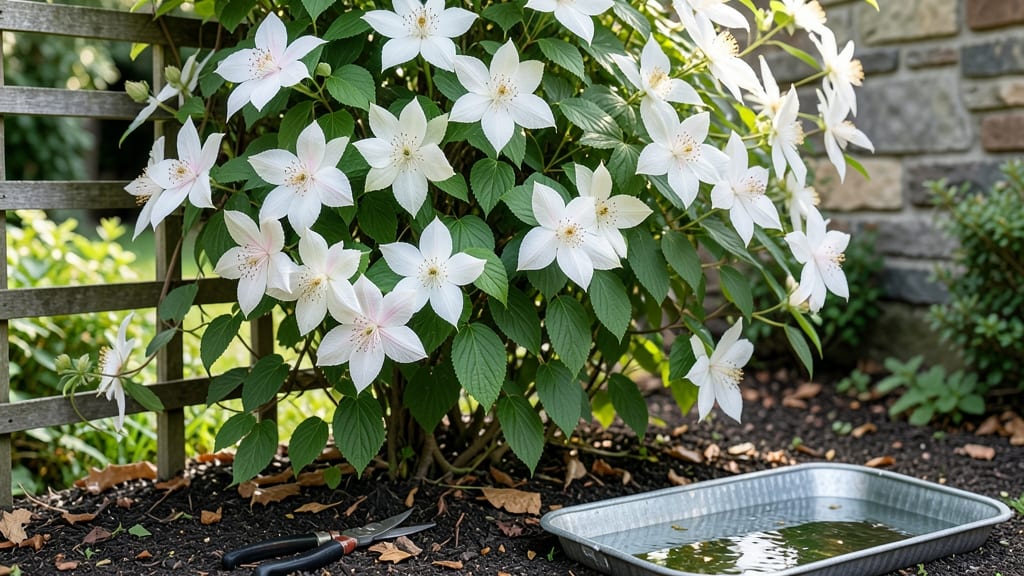
Those vibrant, dinner-plate blooms on clematis vines make every spring worth the wait. 🌸 I’ve grown large-flowering varieties for years, and the secret to repeat blooms isn’t complicated—it’s about sunlight, soil, and the right pruning cuts.
Most gardeners overlook how much these plants reward patience with second flushes of flowers all summer long. The best varieties—like ‘Jackmanii’, ‘Nelly Moser’, or ‘Princess Diana’—thrive in full sun to partial shade and need well-draining soil with plenty of organic matter.
I’ve found that mulching heavily in spring keeps roots cool while encouraging those 3-6 inch blooms we all love. Watering deeply once a week (more in heatwaves) prevents floppy stems and keeps flowers perky.
Once established, these clematis become low-maintenance showstoppers—just a little deadheading after blooms fade keeps them producing. I’ve seen vines covered in flowers from June through September with minimal effort. The key? Pruning at the right time and avoiding common mistakes like overwatering or planting too deep.
Works in USDA zones 4-9, whether climbing a trellis, sprawling over a fence, or cascading in containers. Let’s get those blooms going!
📚 In This Guide
- What you need
- Instructions
- Tips and common mistakes
- Wrapping up and next steps
What you need
- ● Large Bloom Clematis Plant: Choose a Clematis variety known for big blooms (e.g., 'Jackmanii,' 'Nelly Moser,' or 'Princess Diana'). Buy from a reputable nursery or online supplier.
- ● Well-Draining Soil: Aim for a mix of 50% garden soil, 30% compost, and 20% coarse sand or perlite (improves drainage).
- ● Support Structure: A 5-6 ft tall trellis, arbor, or sturdy fence (clematis vines can grow aggressively!).
- ● Organic Mulch: 3-4 inches of wood chips or straw to retain moisture and regulate soil temperature.
- ● Fertilizer: Balanced fertilizer (10-10-10) at planting time.
- ● Low-nitrogen, high-phosphorus fertilizer (e.g., 5-10-10) during blooming season (spring/summer).
- ● Garden Trowel or Spade (for planting and soil amendments).
- ● Pruners (sterilized) (sharp, bypass pruners for clean cuts).
- ● Gloves (to protect hands from thorns and soil).
- ● Watering Can or Hose with Adjustable Nozzle (gentle watering is key).
- ○ pH Test Kit (optional but helpful)—ideal soil pH for clematis is 6.5–7.5.
- ● Sunlight: 6+ hours of full sun daily (morning sun + afternoon shade in hot climates).
- ● Moisture: Keep soil consistently moist but not soggy (especially in the first year).
- ● Space: Plant at least 3–5 ft away from structures to avoid overcrowding.
- ● Patience: Large bloom clematis may take 1–2 years to reach full flowering potential!
Step-by-step instructions for cultivating large bloom clematis
Here's how to coax those showstopping blooms from your clematis—no deadheading marathon required.
🌱 Step 1: Select the Right Variety and Planting Site
Choose a large-flowering clematis (Group 2 or 3) for vibrant reblooms. These varieties thrive in full sun to partial shade, with at least 6 hours of direct sunlight daily. I always plant mine near a trellis or arbor where they can climb—6-8 feet tall is ideal for dramatic displays.
The key is moist, well-draining soil with pH 6.5-7.5. Clematis roots are shallow, so amend the top 12 inches of soil with compost before planting. Avoid heavy clay—it smothers roots and causes rot. If your soil drains poorly, mix in sand or perlite to improve aeration.
☀️ Step 2: Establish Proper Light and Support Structure
Position your clematis where it gets morning sun and afternoon shade in hot climates—this prevents leaf scorch. South-facing walls or trellises work perfectly. Install a strong trellis, arbor, or fence at planting time so roots can anchor as the vine grows.
I use powder-coated metal or wooden lattice because it lasts years. Secure the structure with stakes or brackets—clematis vines can weigh 20+ pounds when fully bloomed. If planting near a wall, leave 12 inches of clearance to prevent moisture buildup against the vine.
💧 Step 3: Water Deeply and Mulch for Moisture Retention
Water deeply once a week during the first growing season to encourage deep root growth. Aim for 1-2 inches of water per week, delivered at the base of the plant—not the foliage. Clematis are drought-tolerant once established, but consistent moisture is critical for the first 2-3 years.
Apply a 3-inch layer of mulch (wood chips or straw) around the base, keeping it 6 inches away from the stem. This retains moisture and regulates soil temperature. Replenish mulch annually—it breaks down and loses effectiveness over time. Watch for wilting leaves in hot weather; this is your cue to water immediately.
✂️ Step 4: Prune Strategically for Reblooming Success
Prune large-flowering clematis in late winter or early spring (just as new growth begins). Cut back last year’s stems to 2-3 healthy buds above the ground. This encourages strong new growth and reblooming. Avoid heavy pruning in fall—it leaves the plant vulnerable to winter dieback.
Remove dead, diseased, or crossing stems at any time. I always sterilize my pruners with rubbing alcohol between cuts to prevent the spread of fungal diseases. Never prune into old wood—it won’t regrow. If you see brown, woody stems, leave them; new growth will emerge from the base.
🌿 Step 5: Fertilize and Monitor for Pests/Diseases
Feed with a balanced, slow-release fertilizer (10-10-10) in early spring and again after the first flush of blooms. I avoid high-nitrogen fertilizers—they promote leafy growth at the expense of flowers. Instead, use a phosphorus-rich fertilizer to encourage blooming. Apply it 6 inches away from the stem to avoid root burn.
Watch for clematis wilt (a fungal disease) and aphids (which distort buds). Treat wilting stems immediately by pruning and disposing of infected parts. For aphids, spray with neem oil or introduce ladybugs—they’re natural predators. Healthy clematis should have vibrant green leaves and firm stems; yellowing or spotted foliage signals a problem.
Tips & tricks for perfect large bloom clematis cultivation
Here's what nobody tells you about getting those showstopping blooms without the fuss.
Variety Matters: Large-flowering clematis (Group 2 or 3) are your best bet for vibrant reblooms, but not all are created equal. Look for varieties like 'Jackmanii' or 'Nelly Moser'—they're proven performers. I've found that Group 3 varieties often bloom twice in one season if given proper care. The key is selecting a variety that matches your climate zone for reliable performance.
Soil Science: The top 12 inches of soil is where clematis roots thrive, so take soil testing seriously. Aim for that pH 6.5-7.5 range—you can adjust with lime to raise pH or sulfur to lower it. I've seen clematis struggle in compacted soil, so if you're dealing with clay, mix in that sand or perlite to create ideal drainage. Think of it as giving your plant's roots a spa treatment—they'll reward you with bigger blooms.
Pruning Precision: That late winter/early spring pruning window is critical for reblooming success. When you cut back last year's stems to 2-3 healthy buds, you're setting up the plant for a strong second flush of flowers. Here's my secret: mark those buds with a white ribbon before pruning—it helps you visualize where new growth will emerge. And never, ever prune into old wood; it's like cutting a tree trunk—no new growth will come from it.
Watering Wisdom: The 1-2 inches of water per week guideline is perfect, but timing matters just as much. Water deeply in the morning so foliage has time to dry before evening. I've learned this the hard way—wet leaves overnight invite fungal problems. And that 3-inch mulch layer? It's not just decoration—it's a moisture regulator and temperature stabilizer. Replenish it annually to maintain its effectiveness.
Pro Tips for Large Bloom Clematis
- Here's what nobody tells you about getting those showstopping blooms without the fuss.
- Variety Matters: Large-flowering clematis (Group 2 or 3) are your best bet for vibrant reblooms, but not all are created equal.
- Soil Science: The top 12 inches of soil is where clematis roots thrive, so take soil testing seriously.
Frequently asked questions
When is the best time to prune large bloom clematis?
Prune large bloom clematis (Groups 1 & 2) in late winter or early spring (before buds swell) to avoid cutting off next year’s flowers. Groups 3, 4, and 5 can be pruned in late winter or early spring (after blooming), but wait until after the first flush of flowers if you want reblooms. See our step-by-step guide for group-specific tips!
How do I protect clematis from harsh winters?
Mulch the base with 4–6 inches of organic mulch (like straw or shredded leaves) after the ground freezes. For young plants or severe climates, wrap the stems loosely in burlap or frost cloth. Avoid heavy mulch against the stems—keep it 3–4 inches away to prevent rot. Pro tip: Water thoroughly before the first freeze to hydrate roots!
Why aren’t my large bloom clematis reblooming?
Reblooming often depends on pruning timing, sunlight, and nutrition. Check these fixes:
Pruning mistake? Groups 3–5 need hard pruning (cutting back by ⅓) after the first bloom.
Not enough sun? Aim for 6+ hours of sunlight—partial shade can reduce reblooms.
Poor soil? Feed with a balanced fertilizer (10-10-10) in early spring and phosphorus-rich (like bone meal) for blooms.
If all else fails, your variety might be a single-bloom type—check the tag!What pests or diseases should I watch for?
Common issues include:
- Clematis wilt (fungus): Brown stems? Prune infected parts 6 inches below the damage. Improve airflow and avoid overhead watering.
- Spider mites/slugs: Spray with neem oil or set up beer traps for slugs. Check undersides of leaves!
- Powdery mildew: Baking soda spray (1 tsp baking soda + 1 quart water + drop of soap) can help.
Prevent issues by watering at the base (not leaves) and removing debris around the plant.
Can I grow large bloom clematis in containers?
Yes! Choose a large container (15+ gallons) with drainage holes and use a well-draining potting mix (add perlite or sand). Key tips:
- Plant with the crown 1–2 inches above soil to prevent rot.
- Use a trellis or obelisk for support—clematis needs to climb!
- Water daily in summer (containers dry out fast) and fertilize monthly with a bloom booster.
Pro tip: Move containers to a sheltered spot in winter if temps drop below 20°F.
Wrapping up and next steps
Growing large bloom clematis is a rewarding journey that brings breathtaking color and life to your garden with minimal effort! By choosing the right variety, providing proper support, and mastering a few key techniques—like strategic pruning and deadheading—you’ll enjoy vibrant, repeat blooms year after year. 🌸
Ready to transform your outdoor space? Start by selecting a healthy plant from your local nursery, then grab your pruners and get growing! With patience and care, your clematis will thrive and become the star of your garden. Happy planting! 🌿