
Blooming
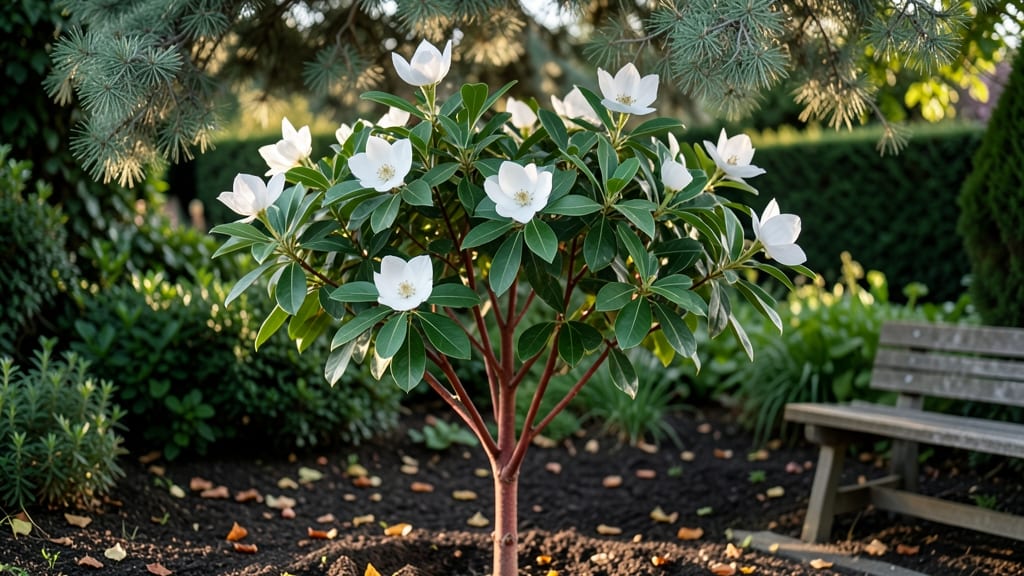
Kousa dogwood blooms bring fragrant starburst flowers that smell like bubblegum and last weeks longer than most dogwoods. 🌸 I’ve grown them for years, and they’re the only tree that blooms reliably even after late frosts—something my regular flowering dogwoods can’t handle.
The secret lies in their late-blooming timing and thick buds that resist cold damage. Plant them in morning sun with afternoon shade and well-draining soil, and they’ll reward you with pink, papery blooms that turn into edible red fruit. Prune lightly after flowering to keep the shape neat.
By mid-summer, you’ll have glossy green leaves that turn crimson in fall, making this tree a four-season showstopper. The fragrance alone makes it worth growing—it’s like a living perfume in your yard. Perfect for small gardens, city landscapes, or as a standout specimen.
Here’s how to keep yours thriving year after year.
📚 In This Guide
- What you need
- Instructions
- Tips and common mistakes
- Wrapping up and next steps
What you need
- ● Kousa Dogwood Plant: 1–3 Cornus kousa saplings (bare-root or potted, depending on season)
- ● Choose a cultivar like 'Milky Way' or 'China Girl' for extra vibrancy
- ● Soil Amendments: 5–10 lbs of well-draining compost (e.g., coconut coir or aged manure)
- ● 1–2 lbs of organic matter (e.g., leaf mold or peat moss)
- ● Planting Tools: 1 garden trowel or spade
- ● 1 pruning shears (sterilized, for trimming)
- ● 1 measuring tape (to mark planting depth)
- ● Mulch: 3–4 inches of organic mulch (e.g., shredded bark or pine needles)
- ● Watering Supplies: 1 hose with adjustable nozzle or watering can
- ○ Optional: drip irrigation kit for consistent moisture
- ● Fertilizer: Slow-release balanced fertilizer (10-10-10) or organic options like fish emulsion
- ● Support Stakes: 3–4 bamboo stakes (for young trees in windy areas)
- ● Pest Deterrents: Neem oil spray or row covers (to protect from early pests)
- ● Garden Gloves: A pair of nitrile-coated gloves for comfort
Step-by-step guide for cultivating stunning kousa dogwood blooms
This hardy tree delivers showstopping flowers that thrive even in cooler climates—here’s how to coax out those signature starburst blooms.
🌱 Step 1: Select and Prepare the Ideal Planting Site
Kousa dogwood (Cornus kousa) thrives in partial shade to full sun, but I’ve found the best blooms come from morning sun with afternoon shade—especially in hotter regions. The soil should drain well but retain moisture; amend heavy clay with 2-3 inches of compost mixed into the top 12 inches of soil. Avoid soggy spots where roots might rot.
Dig a hole twice as wide as the root ball but only as deep. The top of the root ball should sit 1 inch above ground level—this prevents water pooling around the trunk. Gently loosen any circling roots with your fingers before placing the tree in the hole. Backfill with native soil, pressing lightly to eliminate air pockets.
☀️ Step 2: Plant at the Right Time and Provide Seasonal Care
Spring is the best time to plant, but established trees handle fall planting too—just water deeply before the first hard frost. The first year is critical: water once a week (or more in extreme heat) until the root ball is fully established. You’ll know it’s settled when new leaves emerge in spring and the tree starts growing steadily.
Mulch around the base with 2-3 inches of organic mulch, keeping it 6 inches away from the trunk to prevent rot. In winter, a 4-6 inch layer of mulch protects roots from freeze-thaw cycles. Kousa dogwood tolerates down to -20°F, but young trees benefit from a burlap wrap during their first winter to shield against harsh winds.
✂️ Step 3: Prune Strategically to Encourage Abundant Blooms
Prune in late winter or early spring before buds swell, removing dead, crossing, or weak branches first. Never prune in fall—this can stimulate late-season growth that won’t harden off before frost. For shaping, cut just outside the branch collar (the swollen area where the branch meets the trunk) to prevent wounds.
Thin out overcrowded branches to improve airflow, which reduces disease risk. I avoid heavy pruning—Kousa dogwood blooms on old wood, so aggressive cuts limit next year’s flowers. If a branch dies back, remove it entirely to redirect energy to healthier growth. Watch for suckers at the base and remove them promptly to maintain the tree’s form.
💧 Step 4: Water and Fertilize for Peak Bloom Performance
Established Kousa dogwoods are drought-tolerant once rooted, but deep watering every 2-3 weeks during dry spells keeps blooms vibrant. Water at the drip line (the edge of the tree’s canopy) to encourage deep root growth. Avoid overhead watering, which can promote fungal issues like powdery mildew.
Fertilize lightly in early spring with a balanced 10-10-10 fertilizer—just ½ pound per inch of trunk diameter. Over-fertilizing leads to lush foliage but fewer flowers. I skip fertilizer entirely in the second year if the tree is growing well. Monitor for yellowing leaves, which may signal overwatering or nutrient imbalance—adjust accordingly.
⏰ Step 5: Protect and Extend the Bloom Season
Kousa dogwood blooms in late spring to early summer, but you can prolong the show by deadheading spent flowers—though the tree’s persistent fruit adds winter interest. If pests like dogwood borers appear, treat with neem oil in early summer. For extra fragrance, plant near a seating area where you can enjoy the jasmine-like scent up close.
In late fall, rake up any fallen leaves to reduce disease pressure. The tree’s exfoliating bark and red berries make it a year-round star, but the real magic happens when those 4-inch starburst blooms light up the garden. With minimal care, this tree rewards patience with decades of effortless beauty.
Tips & tricks for cultivating kousa dogwood blooms
Here's what nobody tells you about getting those signature starburst blooms—these are the secrets that make all the difference.
Soil Preparation: The key to thriving Kousa dogwoods lies in that 2-3 inches of compost mixed into the top 12 inches of soil. I've seen gardeners skip this step and end up with stunted growth—don't make that mistake. For heavy clay soils, consider adding sand or perlite to improve drainage while maintaining moisture retention. The goal is a soil texture that feels like a well-wrung sponge: firm enough to support roots but loose enough to breathe.
Planting Depth: That 1-inch elevation above ground level for the root ball isn't just a suggestion—it's critical. I learned this the hard way when a young tree developed root rot from sitting too low. Use a level to check the depth before backfilling. If your soil settles after planting, add more soil to maintain that crucial elevation. This simple step prevents water pooling around the trunk, which can lead to fungal issues.
Winter Protection: While Kousa dogwoods tolerate down to -20°F, young trees need extra care. That burlap wrap during the first winter isn't just for show—it acts like a thermal blanket against harsh winds. I've seen young trees with beautiful buds get frost damage because they were exposed to winter winds. Wrap the trunk and lower branches, leaving the top open to prevent moisture buildup. This simple protection can mean the difference between sparse blooms and a spectacular display the following spring.
Pruning Timing: The instructions mention pruning in late winter or early spring, but there's a reason for this timing. By pruning before buds swell, you're allowing the tree to focus all its energy on developing next year's blooms rather than trying to heal wounds. I've seen gardeners prune in fall and end up with fewer flowers the following season. If you must prune outside this window, do it immediately after flowering to minimize impact on next year's blooms.
Pro Tips for Kousa Dogwood Bloom
- Here's what nobody tells you about getting those signature starburst blooms—these are the secrets that make all the difference.
- Soil Preparation: The key to thriving Kousa dogwoods lies in that 2-3 inches of compost mixed into the top 12 inches of soil.
- Planting Depth: That 1-inch elevation above ground level for the root ball isn't just a suggestion—it's critical.
Frequently asked questions
Got questions about kousa dogwood blooms? You’re not alone!
Here are answers to the most common inquiries—from timing to care—so you can enjoy these fragrant, frost-resistant stars in your garden.
When do kousa dogwoods bloom, and how long do the flowers last?
Kousa dogwoods typically bloom in late spring to early summer (May–June), with flowers lasting 2–3 weeks. Their star-shaped blooms fade into striking persimmon-like fruit that adds autumn color. Pro tip: Prune in late winter to encourage vibrant, timely blooms!
Are kousa dogwoods frost-tolerant, and can they survive winter?
These trees are hardy to USDA Zones 5–9 and can handle light frost. Young trees may need mulch in harsh winters, but mature kousa dogwoods thrive with minimal protection. Bonus: Their blooms often open after late frosts, avoiding damage!
How do I encourage bigger, more fragrant blooms?
For show-stopping blooms, ensure your kousa dogwood gets:
- Full sun to partial shade (6+ hours of light)
- Well-draining soil (amend clay with compost)
- Regular watering (deep soaks, not frequent shallow watering)
- Avoid heavy fertilizers (they prioritize leaves over flowers!)
What if my kousa dogwood isn’t blooming? Troubleshooting tips!
No flowers? Check these fixes:
- Age: Young trees (under 3 years) may not bloom yet—be patient!
- Over-fertilizing: Too much nitrogen = leafy growth, fewer flowers.
- Poor light: Move to sunnier spot if possible.
- Stress: Wilting or yellow leaves? Test soil pH (ideal: 5.0–6.5).
Are there alternatives to kousa dogwood with similar blooms?
Love the look but need options? Try these fragrant, frost-hardy stand-ins:
- Cornus florida (Flowering Dogwood) – Classic blooms, but less fragrant.
- Viburnum bodnantense (Winter Jasmine) – Early spring blooms, cold-resistant.
- Deutzia – White/pink clusters, thrives in partial shade.
- Weigela – Long bloom season, vibrant colors.
Wrapping up and next steps
The kousa dogwood bloom isn’t just a sight to behold—it’s a resilient, fragrant marvel that brings joy even in the chill of early spring. 🌸 With its frost-resistant charm and stunning star-shaped flowers, this tree proves that beauty thrives under tough conditions.
Whether you’re a gardener or simply a nature lover, adding a kousa dogwood to your landscape is a rewarding choice.
Ready to welcome these fragrant starbursts into your garden? Start by researching local nurseries or checking planting zones to ensure your kousa dogwood will flourish. Happy planting—and enjoy the show! 🌿