
Blooming
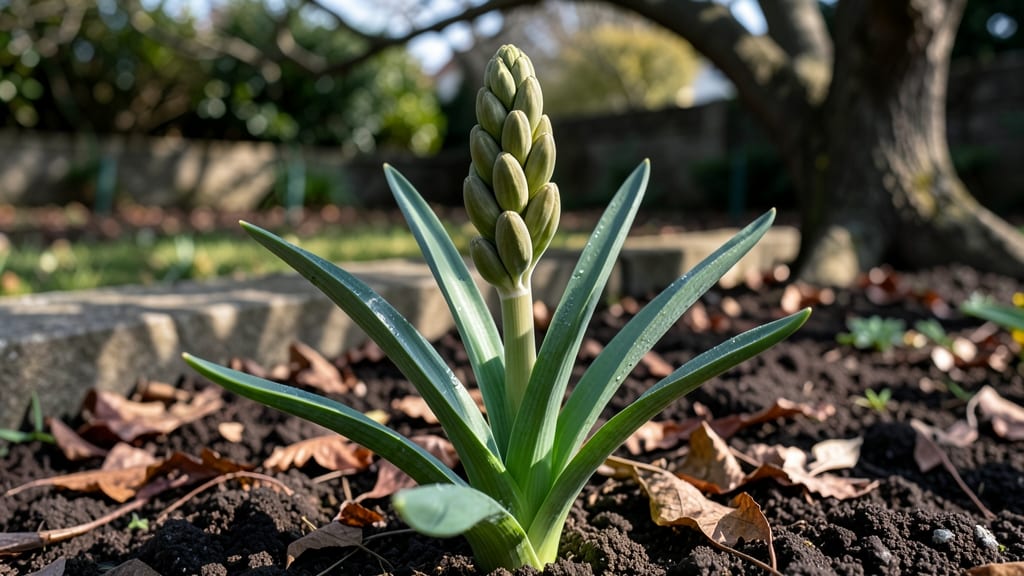
Hyacinth bulbs before blooming transform your winter home into a fragrant spring preview—6 weeks of anticipation turns into a burst of color and scent. 🌱 I’ve forced hyacinths indoors for years, and the trick starts with selecting the right bulbs and timing their dormancy perfectly.
Most gardeners rush this stage, but patience here means the difference between a weak stem and a showstopping display.
The secret lies in soil prep and temperature control—bulbs need a cool, dark period first to break dormancy. Plant them in well-draining soil (add perlite for aeration) and keep them in a 40–50°F space for 8–10 weeks before forcing.
Overwatering here is the #1 mistake; bulbs rot if soggy. After that, move them to bright indirect light and watch those green shoots emerge like magic.
By week 6, you’ll see buds forming—pink, purple, or white, depending on your variety—and the scent will fill your home. The blooms last 2–3 weeks, but the real reward is the confidence you’ve mastered a classic forcing technique.
This method works for paperwhites too, so once you nail it, your winter windowsill becomes a garden.
Pro tip: Plant bulbs in glass containers for a modern look, or use small pots for easy outdoor planting later. Just don’t skip the chilling step—no shortcuts here. Your hyacinths will thank you with a display that rivals spring gardens.
📚 In This Guide
- What you need
- Instructions
- Tips and common mistakes
- Wrapping up and next steps
What you need
- ● Hyacinth bulbs: 3–5 medium to large bulbs (6–8 cm in diameter) for best results. Choose healthy, firm bulbs with no soft spots or mold.
- ● Forcing pot: A shallow, wide container (8–10 inches in diameter) with drainage holes. A ceramic or terracotta pot works best.
- ● Pebbles or gravel: 1–2 inches of clean, coarse pebbles (like river rocks) for drainage.
- ● Potting mix: 2–3 cups of well-draining, bulb-specific soil or a mix of peat moss and perlite (avoid garden soil—it’s too dense!).
- ● Water: Room-temperature, chlorine-free water (let tap water sit out for 24 hours if needed).
- ● Trowel or spoon: For gently placing bulbs and pebbles.
- ○ Spray bottle: To mist bulbs lightly during the chilling phase (optional but helpful).
- ● Thermometer: A small digital one to monitor soil temps (ideal range: 35–45°F during chilling).
- ○ Decorative elements: Optional—moss, pebbles, or a decorative pot for a polished look!
Step-by-Step instructions for forcing hyacinth bulbs indoors
Here’s how to coax vibrant blooms from dormant bulbs in just six weeks—no greenhouse needed.
🌱 Step 1: Select and Prep the Bulbs
Choose firm, plump bulbs with no soft spots or mold—these are your best bet for blooms. I like to soak them in lukewarm water for 1-2 hours before planting to wake them up. This softens the outer layers and kickstarts root growth. Drain well afterward; soggy bulbs rot before they even sprout.
Fill a shallow container (like a wide, low pot) with well-draining potting mix—I use a blend of potting soil and perlite for aeration. Press the mix down lightly so it’s firm but not compacted. Place your bulbs 2-3 inches deep, close together but not touching. The closer they are, the more dramatic the display when they bloom.
💧 Step 2: Plant and Chill for Root Development
Water the container thoroughly until moisture drains from the bottom. Then, cover it loosely with plastic wrap or a clear dome to retain humidity—this mimics the damp conditions bulbs experience underground. Place the container in a dark, cool spot (like a closet or basement) where temperatures stay between 35-45°F.
Check the soil weekly and water lightly if it feels dry to the touch. Roots will start forming in 2-3 weeks, but you won’t see them yet. This chilling phase is critical—skipping it means weak stems and sparse blooms. If your home runs warmer, consider a refrigerator (with good airflow) or a root cellar.
☀️ Step 3: Move to Light and Watch for Sprouts
After 8-10 weeks of chilling, your bulbs should have 1-inch roots. Transfer them to a bright, indirect light spot (like a north-facing window or under a grow light). You’ll notice the first green shoots in 1-2 weeks—this is your cue to water more carefully. Keep the soil consistently moist but never soggy.
Once the shoots reach 2-3 inches tall, move the container to a sunny window (south or west exposure works best). Hyacinths need 6+ hours of light daily to develop strong stems and buds. If leaves start yellowing or stretching toward the light, your setup isn’t bright enough—supplement with a grow light if needed.
⏰ Step 4: Care Through Blooming
Water deeply when the top inch of soil feels dry, but avoid overwatering—hyacinths hate wet feet. Fertilize lightly with a balanced liquid fertilizer (10-10-10) once buds form, but stop fertilizing once flowers open. Too much nitrogen now will boost leaves over blooms.
Rotate the container a quarter turn daily so the stems grow straight and sturdy. You’ll see buds form in 3-4 weeks after sprouting, followed by fragrant blooms in 1-2 weeks**. Once flowers fade, keep the bulbs in light for a few weeks to let them soak up nutrients—then you can decide whether to replant them outdoors or enjoy another round of forcing next season.
Tips & tricks for forcing hyacinth bulbs indoors
Here's what nobody tells you about forcing these fragrant blooms—tricks that'll make all the difference between weak sprouts and showstopping flowers.
Root Development Secret: During the critical 8-10 weeks of chilling in Step 2, I like to gently check root growth by carefully lifting one bulb after 4 weeks. If you see even a half-inch of roots, you're on track. This early check helps you adjust the cool spot if needed—some refrigerators have hot spots that can stall growth. The goal is to develop those 1-inch roots before moving to light.
Light Transition Technique: When you move your bulbs to light after chilling, do it gradually over 3-4 days rather than all at once. Start with just 2 hours of indirect light daily and increase by 1 hour each day. This mimics natural spring conditions and prevents shock that can cause yellowing leaves. I also recommend placing a small fan nearby on low setting—this creates a gentle breeze that strengthens stems.
Container Selection: The shallow container mentioned in Step 1 is key, but here's the thing: if you're forcing multiple bulbs, use a container that's at least 6 inches wider than your bulbs' diameter. This gives roots room to spread without competing for space. I've seen dramatic differences when bulbs are crowded—they produce fewer but larger blooms when given space to establish strong root systems.
Fertilizer Timing: The instructions mention using a 10-10-10 fertilizer once buds form, but here's the pro move: dilute it to half-strength (1/4 teaspoon per quart of water). Too much fertilizer at this stage can cause the plant to focus on leaf growth rather than flower development. I also recommend using a water-soluble fertilizer rather than granules—it gives you precise control over the nutrient dose.
Pro Tips for Hyacinth Before Blooming
- Here's what nobody tells you about forcing these fragrant blooms—tricks that'll make all the difference between weak sprouts and showstopping flowers.
- Root Development Secret: During the critical 8-10 weeks of chilling in Step 2, I like to gently check root growth by carefully lifting one bulb after 4 weeks.
- Light Transition Technique: When you move your bulbs to light after chilling, do it gradually over 3-4 days rather than all at once.
Frequently asked questions
Got questions about forcing hyacinth bulbs before blooming for indoor blooms? You’re not alone! Here are answers to the most common concerns—from timing to troubleshooting—to help you grow stunning flowers in just 6 weeks.
How do I know when to start forcing hyacinth bulbs indoors?
Start forcing 8–10 weeks before your desired bloom date. For spring blooms (March–April), begin in early January. Place bulbs in a cool (35–45°F), dark spot for 10–14 days to break dormancy, then move to a bright, sunny window. Pro tip: Use a forcing kit for precision timing!
Can I force hyacinth bulbs too early or too late?
Yes! Forcing too early (before dormancy breaks) delays blooms, while starting too late may result in weak or no flowers. Aim for late fall to early winter for best results. If you miss the window, store bulbs in a dry, cool place (50–60°F) until next season.
Why aren’t my hyacinth bulbs sprouting after chilling?
Check these fixes:
- Insufficient chilling: Ensure bulbs stayed in consistent cool temps (35–45°F) for 10–14 days.
- Moisture issues: Water lightly (not soggy!) after chilling to encourage sprouting.
- Rot or damage: Inspect bulbs for mold or soft spots—discard affected ones.
What’s the best light setup for forcing hyacinths indoors?
Hyacinths need bright, indirect light (6+ hours/day) to bloom. A south-facing window works, but supplement with a grow light (12–14 hours/day) if natural light is dim. Avoid direct sun—it can scorch leaves. Rotate bulbs weekly for even growth!
Can I reuse hyacinth bulbs after forcing indoors?
Unfortunately, forced hyacinth bulbs rarely rebloom—their energy is spent on indoor flowers. However, you can plant them outdoors after blooming: Let foliage yellow naturally, then transplant to a garden for future blooms (they’ll flower in 2–3 years). Store unused bulbs in a dry, dark place until fall planting.
What are good alternatives to hyacinths for quick indoor blooms?
Try these easy-forcing bulbs for similar results:
Bulb
Forcing Time
Bloom Time
Paperwhite narcissus
6–8 weeks
Winter–early spring
Tulips
10–12 weeks
Spring
Crocus
8–10 weeks
Early spring
Wrapping up and next steps
Watching hyacinth bulbs transform into fragrant blooms indoors is a rewarding experience—one that’s totally within your reach with patience and care! 🌱 By following the right steps—from selecting healthy bulbs to providing the perfect light and moisture—you’ll enjoy vibrant flowers in just six weeks.
Whether you’re a gardening newbie or a seasoned plant parent, this process is a fun way to bring spring’s beauty inside year-round.
Ready to dive in? Grab your bulbs, set up your container, and start the countdown! Your future blooms will thank you—and so will your senses when that intoxicating hyacinth scent fills your home. 🌸