
Pruning
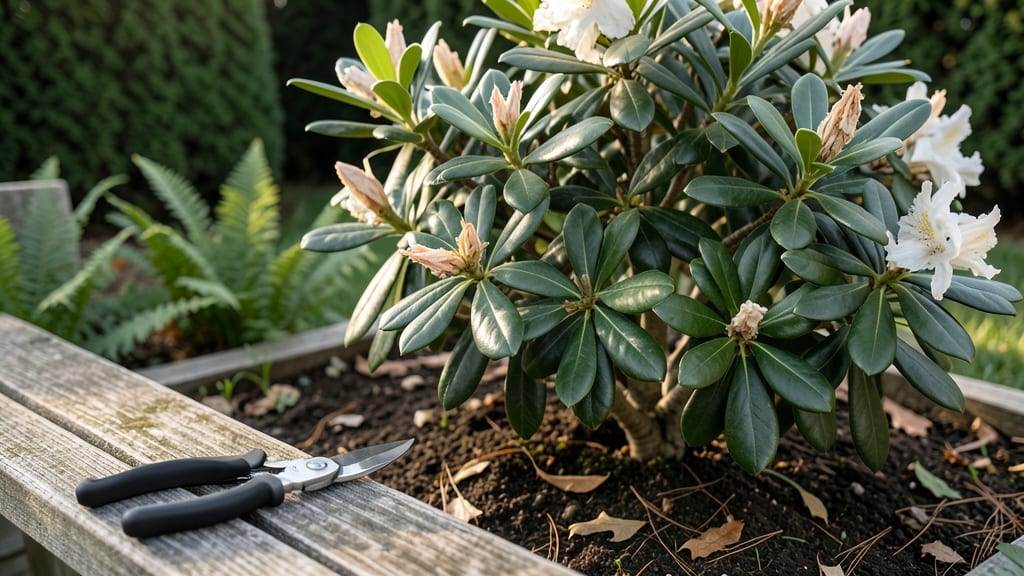
Trimming rhododendrons after they bloom isn’t just about tidying up—it’s the secret to next year’s showstopping flowers. 🌸 I’ve learned the hard way that skipping this step means fewer blooms and leggy branches, but the right cuts transform these shrubs into lush, vibrant plants that thrive for decades.
The key is timing: wait until late spring or early summer after the flowers fade but before new buds form.
You’ll need just a few tools: sharp pruning shears for clean cuts, gloves to protect your hands from those prickly leaves, and a small bucket to collect clippings. The goal is to remove about one-third of the oldest wood—this encourages fresh growth while keeping the plant’s natural shape.
Start by snipping off any dead or crossing branches first; they’re the easiest to spot and remove.
What you’ll end up with is a rhododendron that looks fuller now and bursts with even more blooms next spring. The cuts should be just above a leaf bud or branch junction, angled slightly away from the bud to keep water from pooling.
This method keeps the plant healthy and prevents disease—no more brown, wilted stems ruining the look.
For beginners, the biggest mistake is over-pruning or cutting into old wood. If you’re unsure, take it slow and focus on shaping rather than drastic cuts. With practice, you’ll develop an eye for what looks best—and your rhododendrons will thank you with years of vibrant blooms.
The payoff? A garden centerpiece that’s easier to maintain than you’d expect.
📚 In This Guide
- What you need
- Instructions
- Tips and common mistakes
- Wrapping up and next steps
What you need
- ● Pruning shears: Bypass pruners (sharp, clean, and sized for medium branches—8-10 inches).
- ● Loppers: For thicker stems (18-24 inches, with a ratcheting or bypass blade for precision).
- ● Hand pruners: For fine-tuning (smaller, 5-inch bypass or anvil type for delicate cuts).
- ● Disinfectant: Rubbing alcohol (70%+) or bleach solution (1 part bleach to 9 parts water) to sterilize tools between cuts.
- ● Gloves: Garden gloves (cut-resistant, nitrile-coated for grip and protection).
- ○ Pruning saw: Optional but helpful for thick, woody stems (10-12 inches, with a curved blade).
- ● Garden twine or zip ties: For securing large branches if needed.
- ● Ladder: Lightweight aluminum or fiberglass (if rhododendrons are over 6 feet tall).
- ○ Pruning sealant: For large cuts (optional, but prevents disease entry in thick branches).
- ● Garden cart or bucket: For collecting clippings (or a heavy-duty trash bag).
- ● Safety glasses: Protective eyewear if dealing with thorny or overgrown bushes.
Step-by-step guide to trimming rhododendrons after blooming
Here's the method I swear by for keeping rhododendrons thriving year after year.
✂️ Step 1: Wait for the Right Time to Prune
Never prune rhododendrons right after they bloom—that's when next year's flower buds are already forming. Instead, wait until mid-to-late summer, after the foliage has had time to harden off. You'll know it's time when new growth slows and the plant looks fully settled after its spring display.
I always mark my calendar for July or early August—this gives the plant enough time to recover before winter. If you prune too early, you risk removing flower buds before they set. If you wait too long, you'll be cutting back into next year's growth.
✂️ Step 2: Gather Your Tools and Prepare the Plant
Use only clean, sharp pruning shears—dull blades tear stems and invite disease. Disinfect them with rubbing alcohol before and after pruning to prevent spreading any fungal spores that might be hiding in your shrub. I also wear gloves to protect my hands from the slightly sticky sap.
Step back and examine the plant from all sides. Look for dead, crossing, or rubbing branches—these are your first targets. Remove any branches that are brown, mushy, or touching others, as they can create wounds that attract pests. You'll also spot branches growing inward that block light from reaching the center.
✂️ Step 3: Remove Dead or Problematic Branches First
Start by cutting out any dead wood—it's easy to spot as it's brown and brittle. Make your cuts just above a leaf bud or outward-facing branch. Never leave stubs, as they can rot and become entry points for disease. I like to make my cuts at a 45-degree angle to help water run off.
Next, remove any branches that are crossing or rubbing against others. These create wounds that can become infected. Cut them back to the nearest outward-facing bud. You'll notice the plant's natural shape starts to emerge as you remove these problem branches—this is your guide for what looks right.
✂️ Step 4: Thin Out the Center for Better Airflow
Rhododendrons need good airflow to stay healthy, so focus on opening up the center of the plant. Look for branches that grow inward and remove about one-third of them. This prevents crowding and reduces the risk of fungal diseases. I start from the inside and work my way out, always cutting back to a leaf bud or branch.
Don't be afraid to be bold—thinning now means fewer branches to deal with next year. You'll see the plant's natural shape more clearly as you remove these branches. The goal is to create an open, airy structure that allows light to reach all parts of the shrub.
✂️ Step 5: Lightly Shape the Outer Growth
Once you've removed dead, crossing, and inward-growing branches, it's time for light shaping. Focus on the outer edges of the plant, trimming only to maintain its natural shape. Never cut more than one-third of the plant's overall size—this keeps it healthy and encourages strong new growth.
I like to step back every few cuts to check the balance. If one side looks too bare, I might leave a few more branches there. The key is to keep the plant full and rounded. Avoid heavy pruning—the goal is to encourage next year's flowers, not to drastically reshape the shrub.
💧 Step 6: Clean Up and Care for the Plant After Pruning
After pruning, remove all clippings from the area to prevent disease. I like to compost them, but only if they're disease-free. Water the plant deeply to help it recover from the stress of pruning. This is especially important if you've done a lot of cutting—deep watering encourages root growth and helps the plant heal.
Apply a layer of mulch around the base of the plant to retain moisture and protect the roots. Keep the mulch 2-3 inches deep and avoid piling it against the trunk. This final step helps the rhododendron recover and sets it up for strong growth next spring.
Tips & tricks for perfect rhododendron pruning
Here's what nobody tells you about keeping rhododendrons healthy after their spring show—these tricks make all the difference.
Timing is Everything: The July or early August window isn't just arbitrary—it's when your rhododendron has fully recovered from blooming and new flower buds are safely formed. I learned this the hard way after accidentally pruning too early and losing next year's blooms. Look for the telltale signs: new growth has slowed, and the plant looks settled after its spring display. This is your cue that it's ready.
Tool Prep Saves Time: Disinfecting your pruning shears with rubbing alcohol before and after each cut is non-negotiable. I keep a small bottle of 70% isopropyl alcohol in my gardening toolkit—it takes 10 seconds to spray and wipe, but prevents fungal spores from jumping between plants. And always wear gloves; that sticky sap is harder to wash off than you'd think!
Cutting Technique Matters: Those 45-degree angle cuts you make aren't just for looks—they help water run off cleanly, preventing rot at the cut site. When removing branches, always cut just above a leaf bud or outward-facing branch. This ensures new growth will continue in the right direction. I mark my cuts with a pencil first to visualize where I'll make the clean slice—it keeps me from leaving unsightly stubs.
Airflow is Key: Removing about one-third of the inward-growing branches in Step 4 might seem drastic, but it's what creates that open, airy structure rhododendrons need. I think of it like giving your plant a spa day—better circulation means fewer fungal problems and stronger overall growth. The goal is to let light penetrate to the center where new buds will form next year.
Pro Tips for Trim Rhododendrons After They Bloom
- Here's what nobody tells you about keeping rhododendrons healthy after their spring show—these tricks make all the difference.
- Timing is Everything: The July or early August window isn't just arbitrary—it's when your rhododendron has fully recovered from blooming and new flower buds are safely formed.
- Tool Prep Saves Time: Disinfecting your pruning shears with rubbing alcohol before and after each cut is non-negotiable.
Frequently asked questions
Got questions about trimming your rhododendrons? You’re not alone! Here are some of the most common concerns—and straightforward answers—to help you prune with confidence.
When is the absolute latest I can trim my rhododendrons after they bloom?
While the ideal window is 4–6 weeks after flowering, you can safely trim up to late summer (August)—just avoid cutting back into old wood or you’ll risk stunted growth next year. If you miss this, wait until early spring (before buds swell) for a lighter touch.
What if my rhododendron has no new growth after trimming? Did I mess up?
Not necessarily! Rhododendrons are slow to respond. If you cut too aggressively (more than ⅓ of the plant), growth may be delayed. Focus on shaping, not size, and avoid "heading back" (cutting into old wood). If no buds appear by late spring, check for root rot or pests.
Can I use the same pruning shears for rhododendrons and roses?
Technically yes, but sterilize them first! Rhododendrons are prone to Phytophthora (a soil fungus), while roses often carry black spot. Wipe blades with rubbing alcohol or a 10% bleach solution between plants to prevent cross-contamination. Pro tip: Use bypass pruners for clean cuts.
Will trimming my rhododendron make it not bloom next year?
Only if you over-prune! Cutting back healthy, flowering stems (especially the oldest wood) reduces next year’s blooms. Instead, prune selectively—focus on dead, crossing, or overcrowded branches. Leave at least ⅔ of the plant’s structure intact for optimal flowering.
What’s the deal with "thinning out" vs. "heading back"? Which should I do?
| Method | When to Use | Rhododendron Risk |
|---|---|---|
| Thinning Out (removing entire branches at the base) | For overcrowded or deadwood removal. | Best for rhododendrons—promotes airflow and strong regrowth. |
| Heading Back (cutting stems mid-branch) | For shaping or rejuvenating leggy growth. | Avoid on old wood—can stunt blooms or cause dieback. |
Bonus Tip: What if my rhododendron looks too bare after trimming?
Don’t panic! Rhododendrons store energy in their roots. If the canopy looks sparse, mulch heavily (3–4 inches of organic mulch) and water deeply to encourage new shoots. Fertilize lightly with acid-loving plant food in early spring.
Wrapping up and next steps
Trimming your rhododendrons after they bloom isn’t just about tidying up—it’s your secret to vibrant blooms and healthier plants next season! 🌸 By following the right steps—like deadheading spent flowers, thinning crowded branches, and shaping with care—you’ll encourage lush growth and prevent overcrowding.
With a little patience and the right tools, you’re well on your way to a thriving garden.
Ready to put your new skills to work? Grab your pruners and head outside—your rhododendrons will thank you! For extra confidence, bookmark this guide or share it with fellow gardening enthusiasts. Happy pruning! 🌿