
Blooming
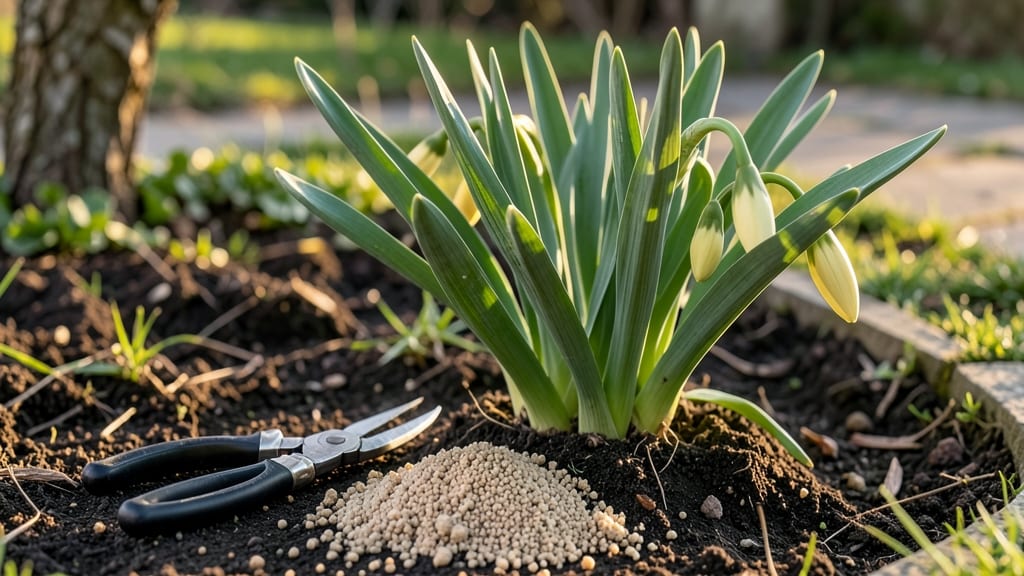
Learn how to take care of daffodils after they bloom, because most gardeners make one fatal mistake: cutting back the leaves too soon—leaving you with fewer flowers next spring. The secret to next year’s bold blooms lies in what you do after the petals fade—not before.
The key steps are simple but critical: deadhead spent flowers, let foliage yellow naturally, and adjust watering as leaves wither. Skipping any of these weakens the bulb’s energy reserves, and you’ll notice it in smaller blooms (or none at all) come spring.
I’ve revived weak daffodil beds using just these techniques—no fancy fertilizers or tricks. By mid-summer, your daffodils will be storing up nutrients for next year’s showstopper blooms. The foliage may look ragged, but that’s exactly what it needs to do its job.
Mulch lightly in fall, and you’ll have a garden full of golden trumpets waiting to greet spring. This method works for all daffodils, from classic yellows to double varieties.
Mark beds now so you don’t accidentally dig up bulbs later—trust me, you’ll thank yourself in March when those first shoots appear.
📚 In This Guide
- What you need
- Instructions
- Tips and common mistakes
- Wrapping up and next steps
What you need
- ● Hand pruners or garden shears – Sharp, clean, and sterilized (to avoid spreading disease).
- ● Garden gloves – Durable, breathable pair (to protect hands from thorns or rough stems).
- ● Compost or well-aged manure – 1-2 gallons per plant (for nutrient-rich soil).
- ● Balanced, slow-release fertilizer – 10-10-10 or 5-10-10 NPK ratio (follow package instructions for dosage).
- ○ Mulch (optional but helpful) – 2-3 inches of shredded bark, straw, or pine needles (to retain moisture and suppress weeds).
- ● Watering can or hose with a gentle spray nozzle – For deep, even watering (avoid overhead sprinklers to prevent fungal issues).
- ● Epsom salt (magnesium sulfate) – 1 tablespoon per gallon of water (boosts foliage health if leaves look yellow).
- ● Fungicide spray – Copper-based or neem oil solution (if signs of disease appear).
- ● Soil test kit – To check pH and nutrient levels (ideal pH: 6.0-7.0 for daffodils).
- ● Plant supports (stakes or rings) – For tall varieties (if stems flop after blooming).
Step-by-Step instructions for reviving daffodils after blooming
Here’s how to keep your daffodils thriving year after year—no guesswork, just proven care.
Leave Foliage Intact Until It Fully Yellows
After the blooms fade, resist the urge to cut back the stems. Daffodil bulbs store nutrients in their leaves throughout the summer, and removing them too soon weakens next year’s flowers. Let the foliage stay until it turns completely yellow and begins to wither naturally.
This process usually takes about 6-8 weeks after blooming. You’ll know it’s time to trim when the leaves look crispy and dry to the touch. If you cut them back too early, you risk smaller—or even no—blooms next spring.
Gradually Reduce Watering as Foliage Dies Back
Once the blooms are gone, you can taper off watering but don’t let the soil dry out completely. Aim to keep the area moderately moist until the leaves yellow. Overwatering at this stage can lead to rot, while underwatering stresses the bulbs.
After the leaves turn yellow, reduce watering to once every 2-3 weeks unless your region experiences extreme heat or drought. The goal is to let the bulbs rest without drying out entirely. Mulch lightly with 2-3 inches of organic material (like shredded bark or straw) to retain moisture and regulate soil temperature.
Cut Back Dead Foliage Only After It’s Completely Brown
When the leaves are fully brown and crispy, trim them back to about 1-2 inches above the soil line. Use clean, sharp shears to avoid damaging the bulb or spreading disease. This cleanup step keeps the garden tidy and prevents pests from hiding in dead foliage.
Don’t rush this step—waiting until the leaves are fully brown ensures the bulbs have absorbed all the nutrients they need. If you cut too soon, you’ll miss out on stronger blooms next season. After trimming, leave the clippings in the compost bin or garden waste.
Fertilize Lightly in Early Fall for Next Year’s Growth
In early fall, apply a balanced, low-nitrogen fertilizer (like a 10-10-10 or 5-10-10 formula) to encourage root and bulb development. Use about ½ pound per 100 square feet and water it in well. This timing gives the bulbs time to absorb nutrients before winter dormancy.
Avoid high-nitrogen fertilizers now—they promote leafy growth at the expense of bulb strength. Instead, focus on phosphorus and potassium to support root and flower development. After fertilizing, water deeply to help the nutrients reach the bulbs.
Monitor for Pests and Diseases Over the Off-Season
Daffodils are generally low-maintenance, but keep an eye out for squirrels, deer, or slugs, which may dig up or nibble on the bulbs. If you notice damage, consider adding a light mulch layer or a physical barrier (like chicken wire) around the planting area.
Watch for signs of bulb rot or fungal diseases, such as soft, mushy stems or moldy growth. If you spot these issues, remove affected foliage immediately and treat the soil with a copper-based fungicide if needed. Healthy bulbs are your best defense against future problems.
Tips & tricks for reviving daffodils after blooming
Real talk: Skipping these steps can mean weaker blooms next spring—or no flowers at all. Here's what nobody tells you about keeping daffodils thriving after their big show.
Patience Pays Off: In Step 1, those 6-8 weeks until the foliage fully yellows aren't just about waiting—they're about letting the bulbs store energy for next year. I learned this the hard way after cutting back too soon and getting half the blooms the following spring. Mark your calendar when the flowers fade to track the 6-8 week window, and resist the temptation to tidy up early.
Watering Wisdom: The "moderately moist" guideline in Step 2 is crucial—it's not about keeping the soil soggy. I've seen bulb rot from overwatering after blooming, but also stunted growth from letting the soil dry out completely. Use your finger to check moisture: If the top inch feels dry, water just enough to moisten it. In hot climates, you might need to water every 1-2 weeks instead of the 2-3 week guideline.
Timing Your Trim: When you finally cut back that brown foliage in Step 3, make sure it's truly crispy—not just wilted. I once cut back at the first sign of browning, and my daffodils produced only tiny buds the next year. The 1-2 inch height guideline isn't arbitrary—it leaves enough leaf material to protect the bulb from temperature swings and pests during winter.
Fertilizer Finesse: That early fall timing in Step 4 is everything—applying fertilizer too late won't give the bulbs time to absorb nutrients before winter. I've had better luck with a 5-10-10 formula than the standard 10-10-10, as it has slightly more phosphorus to support root development. And that ½ pound per 100 square feet is perfect—too much can burn the bulbs.
Pro Tips for Take Care Of Daffodils After They Bloom
- Real talk: Skipping these steps can mean weaker blooms next spring—or no flowers at all.
- Patience Pays Off: In Step 1, those 6-8 weeks until the foliage fully yellows aren't just about waiting—they're about letting the bulbs store energy for next year.
- Watering Wisdom: The "moderately moist" guideline in Step 2 is crucial—it's not about keeping the soil soggy.
Frequently asked questions
about post-bloom daffodil care—because even the hardiest gardeners need a little guidance! Here are answers to the most common queries to keep your daffodils thriving for seasons to come.Do I need to cut back daffodil foliage right after the flowers fade?
No! Never cut back the leaves immediately after blooming. The foliage needs 6–8 weeks to photosynthesize and store energy for next year’s blooms. Wait until the leaves turn yellow and wilt completely before trimming—this ensures strong bulbs for spring.
How do I know when it’s safe to remove dead daffodil foliage?
Look for these signs:
- Yellowing leaves that are soft and papery (not stiff or green).
- Brown, crispy foliage that collapses easily when touched.
- No new growth emerging from the base of the plant.
Can I fertilize daffodils after they bloom?
Yes! A light balanced fertilizer (10-10-10) or one high in phosphorus (like 5-10-10) in early fall gives bulbs a nutrient boost for next year. Avoid fertilizing in late summer or fall if your soil is rich—overdoing it can encourage weak foliage or fungal issues.
Why are my daffodil leaves turning yellow or brown before they’re supposed to?
Yellowing or browning leaves before they naturally die back could signal:
- Overwatering (root rot) or drought stress.
- Fungal diseases (like basal rot) from soggy soil.
- Pests (e.g., slugs, aphids, or daffodil fly larvae).
What can I plant around daffodils to hide their stems after blooming?
Try these low-maintenance, daffodil-friendly companions:
- Perennials: Catmint, lavender, or daylilies (they thrive in similar conditions).
- Bulbs: Alliums or tulips (plant after daffodils fade to avoid competition).
- Ground covers: Creeping thyme or ajuga (they suppress weeds and look great!).
Wrapping up and next steps
Caring for daffodils after they bloom is all about patience and a little extra love—your efforts will reward you with even more stunning blooms next spring! 🌱 By letting foliage die back naturally, fertilizing wisely, and protecting your bulbs, you’re setting the stage for a vibrant garden. Now’s the perfect time to step back, admire your hard work, and let nature do its magic.
Ready to level up your gardening game? 🌸 Take a moment to sketch a simple plan for next year’s flowerbeds—maybe even add a few more daffodil varieties for a colorful surprise!