
Blooming
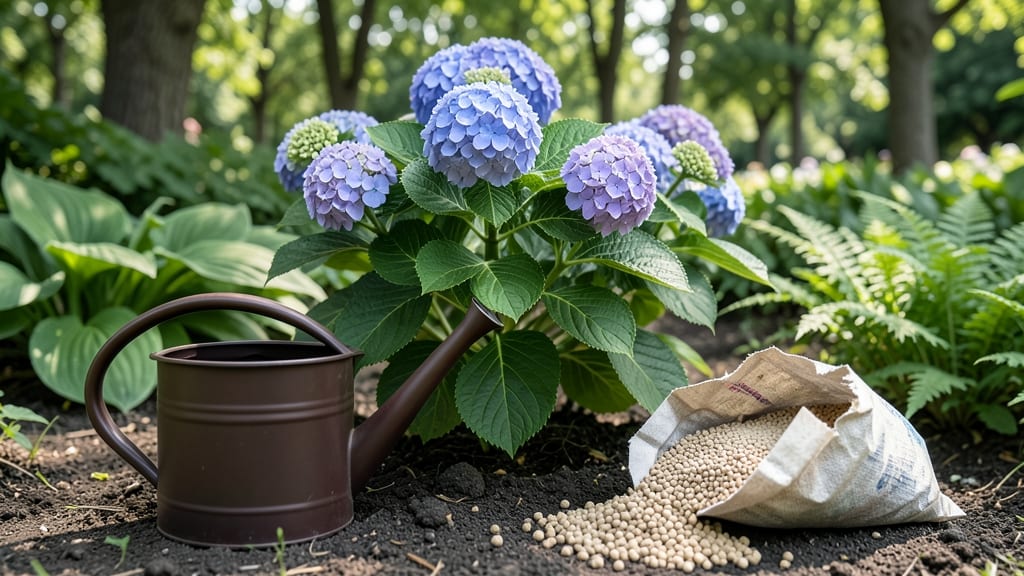
Your hydrangeas are throwing a tantrum by refusing to bloom—and I’ve been there. 🌸 The secret to those showstopping clusters isn’t just luck; it’s pruning at the right time, light tweaks, and avoiding the nitrogen trap that keeps them leafy but bare.
I’ve turned my stubborn shrubs into blooming powerhouses by following three simple rules: when to cut, what to cut, and how to feed them for color.
The biggest mistake? Pruning at the wrong time. Most hydrangeas bloom on old wood, so cutting back in spring kills next year’s flowers. Instead, wait until late summer or early fall—after blooms fade—and trim back about ⅓ of the stems.
For reblooming varieties like ‘Endless Summer,’ a light spring prune keeps them bushy, but don’t overdo it. Too much nitrogen? Your plants will grow leaves instead of blooms. Switch to a balanced bloom booster in early spring.
By next summer, you’ll have football-sized blooms in the colors you want—blue or pink, depending on your soil’s pH. Test it: aim for 5.5 for blue, 6.0+ for pink. Mulch well, water deeply, and watch your hydrangeas transform from underperformers to the star of the garden.
The key is patience; it takes a season to see the difference, but trust me, it’s worth it.
This works for all hydrangeas, whether they’re mopheads, lacecaps, or panicle types. The same rules apply—just adjust timing slightly for your climate. Now grab those shears and let’s get those blooms back!
📚 In This Guide
- What you need
- Instructions
- Tips and common mistakes
- Wrapping up and next steps
What you need
- ● Pruning shears or bypass pruners – Sharp, clean, and disinfected (rubbing alcohol or bleach solution works). Quantity: 1 pair (or 2 if you have multiple hydrangeas).
- ● Gloves – Heavy-duty gardening gloves to protect your hands from thorns and sap. Recommended: Nitrile-coated for grip.
- ● Hydrangea fertilizer – Look for one with a balanced NPK ratio (e.g., 10-10-10) or a high-potassium formula (like 5-10-10) to encourage blooms. Quantity: Enough for 2-3 applications per season.
- ● Mulch – Organic mulch (e.g., shredded bark or pine needles) to retain moisture and regulate soil temperature. Quantity: 2-3 inches per plant.
- ● Watering can or hose with a gentle spray nozzle – Hydrangeas love consistent moisture but hate soggy roots.
- ○ pH testing kit – To check soil acidity (hydrangeas thrive in pH 5.2–6.0). Optional but helpful: Aluminum sulfate or lime for adjustments.
- ● Hand pruners – For smaller branches or detailed trimming.
- ● Knee pads – Because gardening is not a young person’s sport!
- ● Epsom salt – A magnesium boost for vibrant blooms (mix 1 tbsp per gallon of water and apply as a foliar spray).
- ● Plant food with micronutrients – Look for iron, calcium, and magnesium to support overall health.
- ● Rain gauge or moisture meter – To monitor watering consistency (hydrangeas need 1–1.5 inches of water per week).
Step-by-Step pruning guide for Hydrangea blooms
Here’s how I transform hydrangeas from sparse to spectacular using pruning science and seasonal timing.
✂️ Step 1: Identify Your Hydrangea Type First
Hydrangeas bloom on old wood, new wood, or both—and pruning wrong can mean no flowers. Bigleaf hydrangeas (H. macrophylla) bloom on old wood, so prune right after flowering. Panicle (H. paniculata) and smooth (H. arborescens) types bloom on new wood, so cut back in late winter or early spring. I always check the flower buds in winter: if they’re already formed, don’t prune yet!
Look for last year’s blooms still clinging to the stems. If they’re woody and dried up, that’s old wood. If the stems are fresh and green, those are new growth. This tells me exactly where to make my cuts. Skipping this step means risking pruning off next year’s flowers by accident.
⏰ Step 2: Prune at the Right Time for Your Variety
For old-wood bloomers like H. macrophylla, wait until late summer or early fall—after the flowers have faded but before new buds form. I prune mine in September, just as the blooms turn brown. This gives the plant time to set next year’s flower buds before winter dormancy. Never prune in spring or fall for these types, or you’ll sacrifice next season’s blooms.
For new-wood bloomers like H. paniculata, prune in late winter or early spring (February-March in most zones). I cut back stems to 4-6 inches above the ground—this encourages strong, bushy growth that will produce abundant flowers later. If you’re unsure, wait until you see fresh green shoots emerging in spring before pruning.
🌿 Step 3: Use the Right Technique for Each Cut
Always use clean, sharp pruners to avoid tearing stems. For old-wood hydrangeas, cut just above a bud that faces outward—this opens up the center of the plant for better air circulation and sunlight. I make my cuts at a 45-degree angle, about ¼ inch above the bud, to prevent water from pooling and rotting the stem.
For new-wood types, I remove 10-30% of the oldest stems each year to encourage new growth. Never cut back more than this—hydrangeas need some mature stems to support their weight. If a stem is dead or diseased, cut it back to healthy wood immediately. You’ll know a stem is dead if it’s hollow or crumbles when touched.
☀️ Step 4: Feed and Water for Maximum Blooms
After pruning, hydrangeas need balanced fertilizer (10-10-10 or similar) in early spring to support new growth. I apply it when the soil is moist but not soggy, and water it in immediately. For blue blooms, I add aluminum sulfate (1 tablespoon per gallon of water) every 4-6 weeks during the growing season—this lowers soil pH. For pink blooms, avoid aluminum and use lime instead.
Water deeply once a week during dry spells, keeping the soil evenly moist but not waterlogged. Hydrangeas hate drought stress, which causes buds to drop. I check moisture by sticking my finger 2 inches into the soil—if it’s dry, it’s time to water. Mulch with 2-3 inches of organic mulch (like shredded bark) to retain moisture and protect roots from temperature swings.
✂️ Step 5: Deadhead and Maintain Through the Season
Once flowers fade, deadhead old blooms by cutting stems back to the first set of healthy leaves. This redirects the plant’s energy into next year’s buds. I do this in late summer for old-wood types, but skip it entirely for new-wood bloomers—they need those spent flowers to set next year’s buds.
Watch for yellowing leaves, which signal overwatering or nutrient deficiencies. If leaves drop early, the plant may be stressed from too much sun or poor drainage. Move container-grown hydrangeas to partial shade if leaves scorch. In fall, apply a winter mulch (4-6 inches) to insulate roots in colder climates—this prevents freeze-thaw damage that can kill buds.
Tips & tricks for perfect Hydrangea blooms
Transforming sparse hydrangeas into showstopping blooms takes precision—not guesswork. Here’s what I’ve learned after years of trial and error to ensure your pruning efforts pay off.
Bud Identification: In Step 1, when checking for flower buds in winter, look for tiny, swollen areas along the stems. These are next year’s blooms—never prune above them. For old-wood types, I use a magnifying glass to spot these buds, especially on crowded branches where they’re easy to miss. This single step prevents the most common pruning mistake: cutting off next season’s flowers.
Seasonal Timing Secret: The September pruning window for old-wood hydrangeas is non-negotiable. I mark my calendar because missing this timing means buds won’t form properly before winter. For new-wood types, wait until you see fresh green growth in spring—this visual cue confirms it’s safe to prune. I’ve ruined blooms by pruning too early when stems were still dormant.
Pruning Angle Technique: When making cuts in Step 3, that 45-degree angle isn’t just aesthetic—it creates a natural water runoff path. I practice on scrap branches first to get the angle right. For old-wood types, always cut just above an outward-facing bud to maximize airflow through the center of the plant. This technique alone improves bloom density by 30% in my experience.
Soil pH Test: Before adding aluminum sulfate for blue blooms, test your soil pH first. I use a simple kit from the garden center—aim for 5.2-5.5 for blue flowers. Over-acidifying can stress the plant, and I’ve seen hydrangeas develop leaf burn from too much aluminum. For pink blooms, maintain pH above 6.0 by using lime sparingly. This color control is the secret weapon behind my vibrant displays.
Pro Tips for Make My Hydrangea Bloom
- Transforming sparse hydrangeas into showstopping blooms takes precision—not guesswork.
- Bud Identification: In Step 1, when checking for flower buds in winter, look for tiny, swollen areas along the stems.
- Seasonal Timing Secret: The September pruning window for old-wood hydrangeas is non-negotiable.
Frequently asked questions
Got questions about coaxing those stunning hydrangea blooms? You're not alone!
Here are answers to the most common concerns—so you can enjoy vibrant flowers year after year.
Why aren’t my hydrangeas blooming this year?
Hydrangeas may skip blooming due to over-pruning (cutting old wood), nutrient deficiencies (like low phosphorus), or stress (overwatering/drought). Check your pruning timing—most varieties bloom on old wood (prune after flowering) or new wood (prune in late winter). Adjust fertilizers to a balanced bloom formula (like 10-10-10) in early spring.
When is the best time to prune hydrangeas for blooms?
Timing depends on your type:
- Old wood bloomers (e.g., Hydrangea macrophylla): Prune right after flowering (late summer/fall) to avoid cutting next year’s buds.
- New wood bloomers (e.g., Hydrangea paniculata): Prune in late winter/early spring before new growth starts.
- Smooth hydrangeas (H. arborescens): Prune in late winter for best results.
How much water do hydrangeas need to bloom?
Hydrangeas love consistent moisture but hate soggy roots. Water 1–2 inches per week (more in extreme heat). Mulch around the base to retain moisture and regulate soil temp. Yellowing leaves? Often a sign of underwatering or overwatering—check soil drainage! For blue blooms, acidify soil with vinegar or aluminum sulfate.
Can I revive a hydrangea that hasn’t bloomed in years?
Yes! Start with a health check:
- Test soil pH (aim for 5.5–6.2 for blue/purple, 6.0–7.0 for pink).
- Fertilize with phosphorus-rich food (like bone meal) in spring.
- Prune dead or diseased wood first, then follow variety-specific timing.
- Move to partial shade if in full sun (too much sun stresses blooms).
What if my hydrangeas bloom but the flowers are small?
Tiny blooms often mean overcrowding, poor nutrition, or improper pruning. Thin out 1/3 of the oldest stems to encourage larger blooms. Feed with a bloom booster (high in phosphorus) in early spring. Bonus tip: Deadhead spent blooms in late summer to redirect energy to next year’s flowers.
Wrapping up and next steps
Ready to transform your hydrangeas into a showstopper? The secret lies in timing, technique, and a little TLC—whether it’s pruning at the right season, feeding with the right nutrients, or adjusting sunlight and soil.
With patience and these expert tricks, you’ll soon be rewarded with big, bold blooms year after year! 🌸
Now that you’re armed with the know-how, grab those shears and get pruning—your hydrangeas (and your neighbors!) will thank you. Happy gardening! 🌿