
Blooming
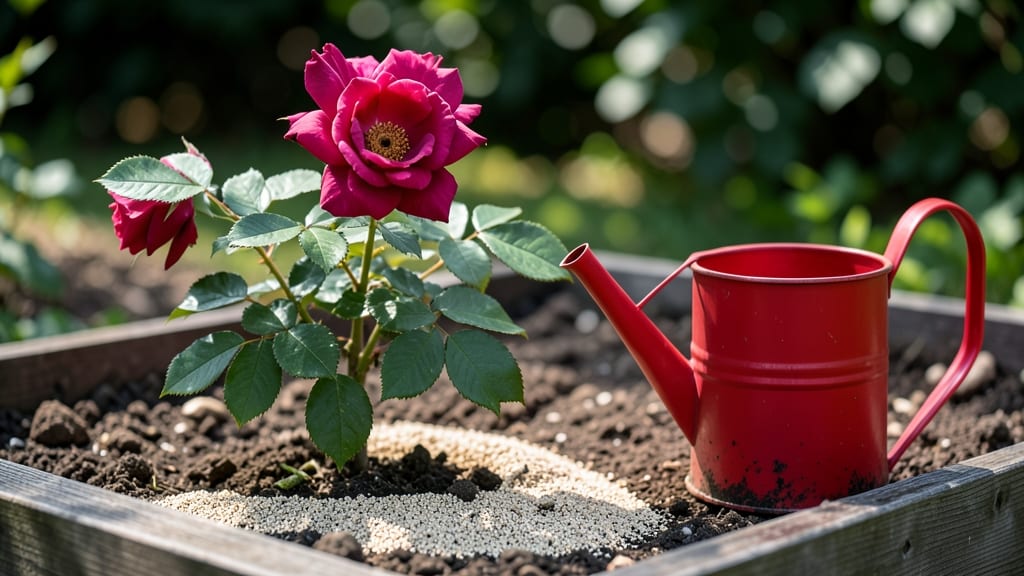
Making flowers bloom again and again isn't magic—it's pruning, light, and feeding them exactly what they crave. 🌸 I've turned my once-sparse rose bushes into a nonstop bloom machine using these same secrets, and you can too. The key?
Understanding when to cut, what to feed, and how much sun they truly need. Most gardeners overdo nitrogen (the leafy-green stuff) while starving their flowers of phosphorus (the bloom booster).
After my first year of proper pruning, my petunias kept flowering until frost, and my lavender went from a few sad stems to thick, fragrant mounds. It's not complicated—just intentional.
You'll end up with flowers that don't just bloom once but rebloom all season, with stronger stems and better resistance to pests. The pruning schedule alone cuts back on deadheading time by 70%, and your plants will thank you with vibrant color from spring to fall.
Works for roses, hydrangeas, annuals, and perennials alike—just adjust the timing to your climate. Let's get those blooms going!
📚 In This Guide
- What you need
- Instructions
- Tips and common mistakes
- Wrapping up and next steps
What you need
- ● Pruning shears or bypass pruners – Sharp, clean, and disinfected (sterilize with rubbing alcohol or bleach solution). Quantity: 1 pair.
- ● Gloves – Garden gloves (to protect hands from thorns or sap). Quantity: 1 pair.
- ● Disinfectant – Rubbing alcohol (70% isopropyl) or bleach solution (1 part bleach to 9 parts water) (to prevent disease spread). Quantity: Small bottle or spray.
- ○ Pruning sealant (optional) – For large cuts on woody plants (e.g., tree sealant). Quantity: Small tube.
- ● Watering can or hose with nozzle – For post-pruning hydration.
- ● Notebook or phone – To track pruning dates and plant responses.
- ● Knowledge of your plants – Identify blooming cycles, growth habits, and pruning needs (e.g., deadheading vs. structural pruning). Tip: Snap a photo or consult a plant guidebook!
- ● Favorable weather – Prune on a dry, cloudy day (avoid wet or windy conditions to reduce stress on plants).
- ● Clean workspace – Clear leaves, debris, or tools from the area to keep everything sterile.
- ● Hand lens or magnifying glass – For inspecting buds or identifying pests.
- ● Plant food or fertilizer – Balanced, slow-release fertilizer (e.g., 10-10-10) to boost post-pruning growth.
- ● Mulch – Organic mulch (e.g., shredded bark) to retain moisture and protect roots.
- ● Pruning saw – For thicker branches (e.g., shrubs like hydrangeas).
Step-by-step pruning secrets for year-round blooms
Here’s how to coax your plants into a nonstop floral display—no matter the season.
🌿 Step 1: Identify Your Plant’s Blooming Habits
First, figure out whether your plant is a spring bloomer (like lilacs or peonies) or a repeat bloomer (like impatiens or petunias). Spring bloomers store energy in their roots for one big show, so pruning too early cuts off next year’s flowers. Repeat bloomers, though, thrive when you cut back spent blooms—this encourages new growth and more flowers.
Look for woody stems (spring bloomers) versus tender, leafy growth (repeat bloomers). If your plant has thick, rigid branches, it’s likely a spring bloomer. If it’s soft and bushy, it’s probably a repeat bloomer. I always check the plant tag or do a quick online search to confirm—skipping this step means risking no flowers at all.
✂️ Step 2: Prune at the Right Time and Technique
For spring bloomers, wait until after they finish flowering—usually late spring or early summer. Cut back one-third of the oldest stems at the base to encourage new growth. For example, if your lilac bush has 20 stems, remove 7 of the thickest, oldest ones. This might seem drastic, but it prevents overcrowding and keeps energy flowing to younger stems.
For repeat bloomers, deadhead (remove spent blooms) weekly during the growing season. Use clean, sharp pruners and cut just above a set of leaves or a new bud. Avoid cutting into old wood—you’ll want to keep the plant’s energy focused on new growth, not healing old wounds. I always prune on a dry morning so the cuts heal faster and reduce disease risk.
☀️ Step 3: Boost Light, Water, and Fertilizer After Pruning
Pruning creates new growth points, and those need bright, indirect light to thrive. Move houseplants closer to a south-facing window or supplement with a grow light for 12-14 hours daily. Outdoor plants might need thinning nearby foliage to improve airflow and light penetration. You’ll see new leaves within 2-3 weeks—that’s your signal everything’s working.
Water deeply after pruning to help roots recover, then maintain consistent moisture (but never soggy soil). Feed with a balanced fertilizer (like 10-10-10) every 4-6 weeks during the growing season. I swear by a slow-release fertilizer for container plants—it keeps nutrients steady without the risk of overfeeding. Avoid high-nitrogen fertilizers; they promote leafy growth at the expense of blooms.
⏰ Step 4: Encourage Reblooms with Seasonal Adjustments
For fall and winter blooms, give your plants a light trim in early summer to stimulate a second flush. This works best for repeat bloomers like mums, asters, and certain roses. Cut back one-third of the tallest stems to redirect energy toward side shoots. You’ll often see a second wave of blooms 6-8 weeks later, depending on your climate.
In colder months, protect tender plants with mulch or move potted plants to a sheltered spot. Some plants, like camellias or gardenias, bloom best in cooler weather—so don’t rush to prune them until spring. Watch for buds forming in late winter; this is your cue that the plant is preparing for another round of flowers. I always mark my calendar to prune these in early spring before buds swell.
Tips & tricks for year-round flower blooming
These simple strategies will help you extend your garden's floral display beyond just one season.
Identification is Key: I've learned the hard way that skipping this step can mean missing the entire blooming season. For spring bloomers, look for those thick, woody stems—these plants store energy underground for next year's show. If you prune too early, you're essentially cutting off their energy supply. For repeat bloomers, focus on the softer, leafier growth—they're the ones that reward you with continuous flowers when you deadhead regularly.
Timing Secret: The weekly deadheading for repeat bloomers might seem tedious, but I promise it's worth it. Set a reminder on your phone for every Sunday morning—it takes just 10 minutes and keeps your plants producing flowers instead of going to seed. For spring bloomers, mark your calendar for late spring or early summer to avoid cutting off next year's buds. I always jot down the exact dates when my lilacs finish blooming so I don't forget.
Light and Fertilizer Strategy: After pruning, those new growth points need all the help they can get. Move houseplants to the brightest spot you have—south-facing windows are ideal. For indoor plants, a simple grow light on a timer for 12-14 hours daily works wonders. When fertilizing, I've found that slow-release fertilizers are my best friend—they provide steady nutrition without the risk of overfeeding, which can actually prevent blooming.
Seasonal Adjustments: That early summer trim for fall bloomers is crucial for getting that second flush of flowers. I've seen mums produce beautiful fall blooms after this simple step. For winter bloomers like camellias, patience is key—wait until you see those buds forming in late winter before you prune. I always keep a small notebook by my plants to track when buds appear each year.
Pro Tips for Make Flowers Bloom
- These simple strategies will help you extend your garden's floral display beyond just one season.
- Identification is Key: I've learned the hard way that skipping this step can mean missing the entire blooming season.
- Timing Secret: The weekly deadheading for repeat bloomers might seem tedious, but I promise it's worth it.
Frequently asked questions
How often should I prune to encourage reblooming?
For most flowering plants (like roses, hydrangeas, or impatiens), prune after the first bloom cycle—usually late spring or early summer. Trim back 1/3 of the stems to just above a leaf node or bud. Over-pruning can stress the plant, while under-pruning may limit reblooms. Pro tip: Use sharp shears to avoid tearing stems!
Why aren’t my flowers reblooming this year?
Reblooming can fail due to stress factors like overcrowding, poor soil, or lack of sunlight. Check for:
- Sunlight: Most rebloomers need 6+ hours of sun daily.
- Water: Drought stress stunts growth—keep soil consistently moist (not soggy!).
- Fertilizer: Use a balanced bloom booster (like 10-10-10) every 4-6 weeks.
- Deadheading: Remove spent blooms regularly to redirect energy to new flowers.
Can I make flowers bloom indoors?
Try these indoor-friendly rebloomers:
- African violets (love bright, indirect light)
- Peperomia (thrive in low light)
- Begonias (need humidity—mist often!)
Do I need special tools to prune for reblooming?
Not necessarily! You’ll need:
- Bypass pruners (for clean cuts on stems >¼ inch thick)
- Hand pruners (for smaller stems or deadheading)
- Garden shears (for shaping shrubs)
- Disinfectant (rubbing alcohol or bleach solution to prevent disease ).
What’s the best time of day to prune for reblooming?
Prune on a dry, cloudy day or in the early morning to reduce stress on the plant. Avoid pruning in peak sun or late afternoon—this can shock the plant and invite pests. If you must prune in heat, water deeply first and trim in the shade.
Bonus Tip: Save your prunings!
Propagate cuttings from healthy stems to grow new plants for free. Dip the cut end in rooting hormone (optional), place in water or moist soil, and keep in bright, indirect light. Many flowers (like coleus or mint) root easily!
Wrapping up and next steps
Watch your garden burst into life all year with these pruning secrets! The key to vibrant reblooms lies in timing, technique, and a little patience—whether you’re trimming dead blooms, shaping shrubs, or encouraging new growth. Remember, healthy plants reward you with stunning flowers when you give them the right care.
Ready to see your garden thrive? Start today by picking one plant and apply what you’ve learned—your future blooms will thank you! 🌸✨