
Blooming
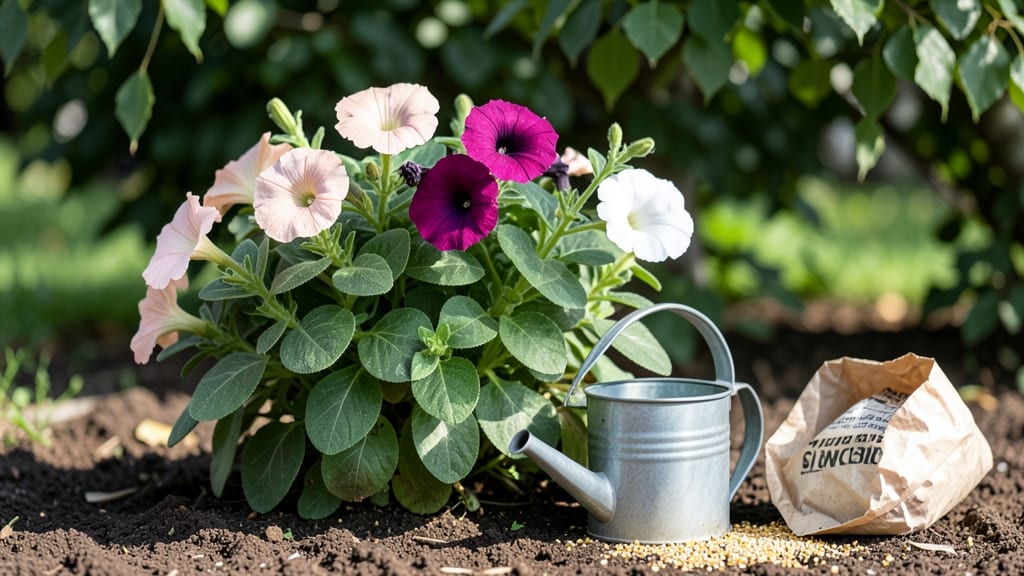
Making flowers bloom quickly isn't magic—it’s sunlight, pruning, and a little plant psychology. ✨ I’ve forced stubborn perennials and annuals into full bloom weeks ahead of schedule by tweaking just three things: light exposure, strategic cuts, and water timing.
The results? Vibrant blooms when you need them, whether it’s for a wedding, photos, or just bragging rights to neighbors.
Most gardeners overlook how much flowers respond to light cues. Move plants to brightest spots (6+ hours of sun) and watch them react within days—buds swell faster, stems strengthen. Pruning isn’t just about shape; it’s about redirecting energy.
Cut back leggy growth by ⅓ and you’ll trigger a flush of new blooms in 2-3 weeks. The secret? Always snip just above a leaf node where buds form.
You’ll see the first signs of progress in 7-10 days: tighter buds, sturdier stems, and leaves that perk up like they’ve had a caffeine shot. The key is consistency—don’t overwater (soggy roots stall blooming) and use a balanced organic fertilizer (like 10-10-10) every 2 weeks.
For instant gratification, try deadheading spent blooms—it tells the plant, “Keep going!” instead of “Slow down.”
Works for everything from impatiens to roses, though some plants (like hydrangeas) need extra sunlight adjustments. Here’s how to adapt for your specific flowers—no guesswork, just science-backed shortcuts.
📚 In This Guide
- What you need
- Instructions
- Tips and common mistakes
- Wrapping up and next steps
What you need
- ● Healthy potted plants or cuttings (choose fast-blooming varieties like marigolds, zinnias, or geraniums for best results).
- ● Well-draining potting mix (1–2 gallons per plant, depending on size). Pro tip: Mix in perlite or vermiculite (10–20% by volume) to improve aeration.
- ● Balanced liquid fertilizer (e.g., 10-10-10 or 20-20-20, 1–2 tbsp per gallon of water). 💡 Look for one with phosphorus (the middle number) to boost blooms!
- ● Pruning shears or sharp scissors (sterilized with rubbing alcohol to prevent disease).
- ● Grow lights or a sunny windowsill (south-facing is ideal; 6–8 hours of direct sunlight daily is critical).
- ● Watering can with a fine rose nozzle (to avoid disturbing roots).
- ● Spray bottle (for misting leaves if humidity is low).
- ● Rooting hormone (for cuttings—dip stems in powder or gel before planting).
- ● Epsom salt (1 tbsp dissolved in 1 gallon of water, used monthly for magnesium boost).
- ● Bloom-boosting supplements like seaweed extract or flowering-specific fertilizers (follow label instructions).
- ● Humidity tray (a shallow tray with pebbles and water to increase moisture around plants).
- ● Garden journal (to track sunlight, watering, and bloom progress!).
Step-by-step instructions for forcing flowers to bloom quickly
Here's the science-backed method I use to coax blooms ahead of schedule—no shortcuts, just smart timing and care.
☀️ Step 1: Maximize Light Exposure Strategically
Move potted flowers to the sunniest spot in your home or garden immediately. Most blooming plants need 6-8 hours of direct sunlight daily—if they're not getting enough, they'll focus on leaf growth instead of flowers. I place mine near south-facing windows or under grow lights for 14-16 hours a day if natural light is insufficient.
Rotate pots quarter-turn daily so all sides get even light. You'll notice stems leaning toward the light? That's your cue to adjust their position. For houseplants like African violets or orchids, supplement with cool white LED bulbs—they mimic natural light without overheating leaves.
✂️ Step 2: Prune for Energy Redirection
Cut back overgrown stems by one-third to redirect energy from foliage to blooms. Use clean, sharp pruners to avoid damaging stems, and snip just above a leaf node where new growth emerges. For example, on petunias, I remove the top set of leaves and the first flower bud—this forces the plant to produce more lateral blooms instead of one long stem.
Remove wilted or yellowing leaves immediately—they drain nutrients that could fuel new blooms. I also deadhead spent flowers (snip the stem just above the next set of leaves) to encourage continuous flowering. This works best on annuals like geraniums or impatiens, but even perennials like roses respond faster when you prune aggressively in early spring.
💧 Step 3: Adjust Watering for Bloom Triggers
Water deeply every 2-3 days until the top 2 inches of soil feel moist—not soggy, not dry. Overwatering stresses plants, while underwatering forces them to conserve energy (and delay blooming). I use room-temperature water to avoid shocking roots, and I water at the base of the plant to keep leaves dry and prevent fungal diseases.
For potted plants, let the top inch dry out between waterings—this mimics natural drought cycles and actually triggers some species to bloom. If you're forcing blooms in winter, use a humidity tray (pebbles + water under the pot) to prevent dry air from stressing the plant. Watch for drooping leaves—that's your sign to water, but only if the soil is truly dry.
🌱 Step 4: Apply Bloom-Boosting Fertilizer
Switch to a high-phosphorus fertilizer (look for a 5-10-5 or 3-7-2 ratio) to encourage flowering. I mix half-strength solution weekly during active growth (spring to early fall) and reduce to every 2 weeks once buds form. Over-fertilizing leads to lush leaves but no blooms—so follow the label precisely.
For organic options, I use fish emulsion or compost tea—both provide phosphorus naturally. Avoid nitrogen-heavy fertilizers (like lawn food) unless you want foliage, not flowers. You'll see buds form within 2-3 weeks of consistent feeding, especially on plants like zinnias or marigolds.
⏰ Step 5: Control Temperature for Faster Blooms
Most flowers bloom fastest in daytime temps of 65-75°F and cooler nights (55-65°F). If your home runs warmer, move plants to a shadier, cooler spot during the day. For heat-loving flowers like geraniums, I place them near an open window with breeze—this mimics outdoor conditions and speeds up growth.
If blooms are slow to open, try a cold treatment: Move potted plants outdoors overnight for 3-5 nights (if frost isn't a risk). Many perennials, like peonies or daylilies, need this temperature shift to trigger bud opening. Watch for buds swelling—that's your signal the treatment is working.
Tips & tricks for forcing flowers to bloom faster
Here's what nobody tells you about speeding up blooms without sacrificing plant health.
Light Exposure Secrets: The 6-8 hours of direct sunlight is non-negotiable, but placement matters more than you think. I place my pots on a rolling cart so I can easily rotate them quarter-turn daily—this prevents stems from growing lopsided toward the light. For indoor plants, position them within 12 inches of a south-facing window during winter months when sunlight is weaker. You'll know you're on the right track when all stems grow upright, not leaning.
Pruning Precision: When cutting back overgrown stems by one-third, always make your cuts at a 45-degree angle just above a leaf node. This prevents water from pooling on the cut and reduces disease risk. For flowering plants like roses, I make the initial cut above the first set of five leaves to encourage strong lateral branches that produce more blooms. Remember: the more buds you remove, the more energy the plant directs toward new growth.
Watering Wisdom: That top 2 inches of soil moist guideline is your golden rule, but timing matters too. Water in the morning so excess moisture evaporates during the day, preventing root rot. For potted plants, I use the "finger test"—stick your finger 1 inch deep into the soil. If it feels dry, water thoroughly; if it's still damp, wait another day. Overwatering is the #1 reason blooms fail to appear, so trust the soil's moisture level over a schedule.
Fertilizer Timing: The 2-3 weeks window for bud formation starts after your first application of high-phosphorus fertilizer. I always apply it in the morning when plants are actively absorbing nutrients. For container plants, I mix the fertilizer directly into the soil rather than using a drip system—this ensures even distribution. And here's a pro move: reduce watering slightly for 24 hours after fertilizing to give roots time to absorb nutrients without leaching.
Pro Tips for Make Flowers Bloom Quickly
- Here's what nobody tells you about speeding up blooms without sacrificing plant health.
- Light Exposure Secrets: The 6-8 hours of direct sunlight is non-negotiable, but placement matters more than you think.
- Pruning Precision: When cutting back overgrown stems by one-third, always make your cuts at a 45-degree angle just above a leaf node.
Frequently asked questions
Got questions about speeding up your flowers' blooming? You're not alone! Here are some of the most common queries—and their quick, practical answers—to help you get those petals popping faster.
How long does it take for flowers to bloom after using sunlight tricks?
Most flowers respond within 3–7 days when given optimal sunlight (6–8 hours daily) and proper care. Fast bloomers like geraniums or impatiens may show results in 2–3 days, while slower varieties (e.g., roses) could take up to 2 weeks. Patience pays off—consistency is key!
Can I force flowers to bloom overnight?
Nope! While you can accelerate blooming with sunlight, water, and pruning, overnight miracles aren’t possible. Flowers need time to metabolize nutrients and open petals naturally. Focus on daily adjustments (like moving plants to sunnier spots or trimming spent blooms) to see progress by morning.
What if my flowers still won’t bloom after trying these methods?
Check these troublemakers:
- Not enough sunlight: Move plants to a brighter spot (south-facing windows or grow lights).
- Overcrowding: Thin out foliage to improve air circulation.
- Nutrient deficiency: Use a bloom-boosting fertilizer (high in phosphorus).
- Dormancy: Some plants (like bulbs) need a rest period—don’t force them!
Are there any indoor flowers that bloom faster than outdoor ones?
Try these speedy indoor stars:
- African violets (bloom in 6–8 weeks with bright light).
- Peperomia (compact and quick, often reblooming).
- Kalanchoe (thrives on neglect and blooms in 8–12 weeks).
How often should I prune to encourage blooming?
Prune every 2–4 weeks during growing seasons (spring–fall). Trim:
- Dead or yellowing blooms (encourages new growth).
- Overly long stems (promotes bushier plants).
- Leaves blocking sunlight (boosts energy for flowers).
Wrapping up and next steps
Making your flowers bloom quickly is all about understanding their needs—whether it’s harnessing sunlight, adjusting watering habits, or giving them a strategic trim. With the right techniques, you’ll see vibrant blooms in no time! 🌸
Now that you’re armed with sunlight triggers and pruning hacks, put your knowledge into action. Start with one plant, experiment, and watch your garden transform. Happy gardening—and happy blooming! 🌞🌿