
Blooming
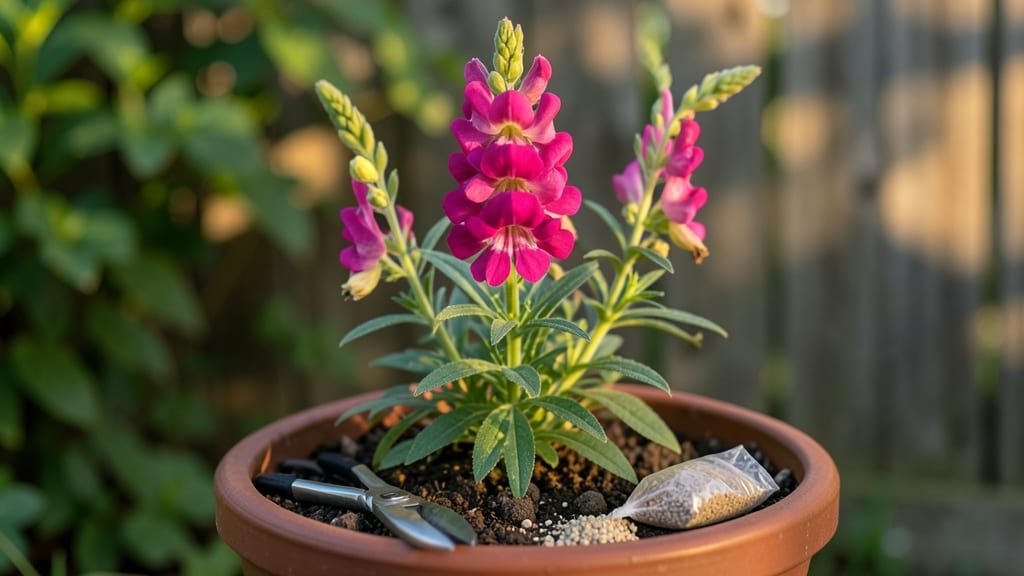
Learning how to keep snapdragons blooming turns one season of color into a summer-long parade of floral spikes—until you start snipping spent flowers religiously, my plants kept producing fresh blooms all July long. blooms until frost. The secret isn’t complicated, but timing and technique matter more than most gardeners realize.
You’ll need sharp pruners (or clean scissors), a sunny spot with at least 6 hours of light, and well-draining soil. The real work happens in the morning: pinch off faded flowers just above the next set of buds.
This redirects energy from seed production to new blooms, and within 2-3 weeks, you’ll see fresh spikes shooting up. Too much shade or crowded plants? That’s when the blooms slow down.
By midseason, your snapdragons will look like they’re on a never-ending bloom cycle. The foliage stays lush, the stems sturdy, and you’ll have enough cut flowers for bouquets that last a week.
The key is consistency—don’t let spent blooms linger, and fertilize lightly every 4-6 weeks with a balanced formula. Even my black thumb can’t kill these once I got the routine down.
Works for both garden beds and containers, and the same rules apply whether you’re growing dwarf varieties or towering spikes. Here’s how to keep them blooming all season long—no magic, just smart care.
📚 In This Guide
- What you need
- Instructions
- Tips and common mistakes
- Wrapping up and next steps
What you need
- ● Snapdragons (Antirrhinum spp.) – Healthy, established plants (choose upright or dwarf varieties based on your space).
- ● Pruning shears or sharp scissors – Clean, sterilized tools to avoid spreading disease (✂️).
- ○ Gloves (optional but recommended) – Protects hands from thorns or rough stems.
- ● Watering can or hose with a gentle spray nozzle – Keep soil consistently moist but not soggy.
- ● Balanced, water-soluble fertilizer (10-10-10 or 20-20-20) – 1 tbsp per gallon of water, applied every 2–4 weeks during the growing season.
- ● Mulch (straw, wood chips, or compost) – 2–3 inches thick to retain moisture and suppress weeds.
- ○ Stakes or plant supports (optional for tall varieties) – 1–2 stakes per plant to prevent flopping in wind or rain.
- ● Full sun to partial shade – At least 6 hours of direct sunlight daily for optimal blooming.
- ● Well-draining soil – Snapdragons hate soggy roots! Amend clay soil with compost or sand if needed.
- ● Moderate temperatures – Ideal range: 50–75°F (10–24°C). Avoid extreme heat or frost.
How to keep snapdragons blooming: essential care steps
Snapdragons reward consistent attention with bold, continuous blooms—here’s how to keep them flowering all season.
🌿 Step 1: Deadhead Regularly for Continuous Blooms
Pinch or cut off spent flower spikes as soon as they fade to a dull color. This prevents seed production, which redirects energy back to new buds. I use clean, sharp scissors to snip just above the next set of buds or leaves—this keeps the plant tidy while encouraging fresh growth.
Don’t skip this step. If you let flowers go to seed, your snapdragons will focus on reproduction instead of producing more vibrant blooms. Check plants every 2-3 days during peak bloom season, and you’ll see new spikes forming within 7-10 days.
✂️ Step 2: Prune Leggy Stems to Encourage Bushier Growth
If stems stretch tall and thin, cut them back by one-third to stimulate branching. Focus on the oldest stems first—they’ve already produced flowers, so removing them encourages younger, stronger growth lower on the plant.
Use sharp pruners and make cuts at a 45-degree angle just above a leaf node. This prevents water from pooling on the stem, which can cause rot. After pruning, your snapdragons will often burst with new side shoots within 2 weeks.
💧 Step 3: Water Deeply at the Base, Not the Leaves
Snapdragons need 1 inch of water per week, but avoid wetting the foliage to prevent fungal diseases like powdery mildew. Water early in the morning so leaves dry quickly, and always direct the stream to the soil at the plant’s base.
Let the top 1-2 inches of soil dry out between waterings—soggy roots lead to weak stems and fewer blooms. You’ll know you’re doing it right when the soil feels slightly damp but not saturated when you check with your finger.
☀️ Step 4: Provide Morning Sun and Afternoon Shade in Hot Climates
Snapdragons thrive in full sun (6+ hours daily), but in hotter regions, afternoon shade prevents wilting. If your plants start drooping by midday, move them to a spot with morning sun and afternoon shade—this keeps blooms vibrant and stems sturdy.
Watch for color shifts in the leaves. If they turn yellow or crispy, your plants are getting too much heat. Adjust their position gradually over 3-5 days to avoid shocking them.
🌱 Step 5: Fertilize Lightly Every 4-6 Weeks for Stronger Blooms
Use a balanced, water-soluble fertilizer (10-10-10 or 20-20-20) diluted to half strength. Over-fertilizing leads to lush foliage but fewer flowers, so less is more. Apply fertilizer in the morning when the soil is moist and water thoroughly afterward to prevent root burn.
Stop fertilizing 6-8 weeks before the first frost—this helps snapdragons harden off for winter. You’ll notice stronger stems and brighter blooms within 2-3 weeks of consistent feeding.
Tips & tricks for perfect snapdragon care
These simple strategies will help you extend your snapdragons' blooming season and keep them looking their best.
Timing Tip for Deadheading: In Step 1, when you notice a flower spike fading from vibrant to dull, don't wait—act immediately. The 2-3 day window between color loss and seed formation is when your snapdragons are most responsive to deadheading. I've found that using a small pair of floral scissors lets me work more precisely than pinching, especially with taller varieties. This quick action redirects the plant's energy to new buds, which is why you'll see fresh spikes forming within 7-10 days.
Pruning Technique: When pruning leggy stems in Step 2, focus on making clean cuts at a 45-degree angle just above a leaf node. This isn't just about aesthetics—it prevents water from pooling on the cut stem, which can lead to rot. I've learned the hard way that skipping this angle can turn a simple pruning job into a fungal problem. After pruning, your plants will often produce new side shoots within 2 weeks, creating a bushier, more productive plant.
Watering Wisdom: The 1 inch of water per week guideline in Step 3 is perfect, but timing matters just as much. Watering in the early morning gives leaves plenty of time to dry before evening, which prevents fungal diseases like powdery mildew. I've noticed that snapdragons with consistently dry foliage stay healthier and produce more vibrant blooms. Always check the top 1-2 inches of soil—it should feel slightly damp but not saturated when you poke it with your finger.
Sunlight Strategy: For Step 4, if you're in a hot climate, don't be afraid to move your snapdragons to afternoon shade when they start drooping by midday. The key is to make this adjustment gradually over 3-5 days to avoid shocking the plants. I've seen snapdragons go from wilting to vibrant in just a few days when given the right light conditions. Watch for yellowing or crispy leaves—they're clear signs your plants are getting too much heat.
Pro Tips for Keep Snapdragons Blooming
- These simple strategies will help you extend your snapdragons' blooming season and keep them looking their best.
- Timing Tip for Deadheading: In Step 1, when you notice a flower spike fading from vibrant to dull, don't wait—act immediately.
- Pruning Technique: When pruning leggy stems in Step 2, focus on making clean cuts at a 45-degree angle just above a leaf node.
Frequently asked questions
about keeping snapdragons blooming—because even the best gardeners need a little extra guidance! Here are answers to the most common questions to help you maintain those vibrant, long-lasting blooms.Why do my snapdragons stop blooming even after deadheading?
Snapdragons may stop blooming due to overcrowding, nutrient depletion, or environmental stress (like extreme heat or drought). Ensure they get 6+ hours of sunlight, well-draining soil, and regular feeding with a balanced fertilizer (like 10-10-10). If they’re leggy or sparse, consider pruning or transplanting to refresh growth.
How often should I deadhead snapdragons for continuous blooms?
Deadhead faded or spent blooms every 2–3 days during peak flowering (spring to early summer). For annual varieties, this keeps energy focused on new flowers. For biennials/perennials, reduce to once a week in late summer to allow seed production (if you want next year’s blooms!). Always use clean, sharp scissors to avoid disease.
Can snapdragons bloom in hot or humid climates?
Snapdragons thrive in cool weather (60–75°F) and may bolt (go to seed) or wilt in heat/humidity. To extend blooms:
- Provide afternoon shade with sheer curtains or nearby plants.
- Water deeply at the base (avoid wetting leaves to prevent mildew).
- Choose heat-tolerant varieties like ‘Matrix’ or ‘Rocket’ series.
What can I do if my snapdragons bloom but then turn yellow or brown?
Yellowing or browning blooms often signal stress or disease. Check for:
- Overwatering (soggy roots = root rot). Let soil dry slightly between waterings.
- Pests (aphids, slugs). Spray with neem oil or handpick pests.
- Fungal issues (powdery mildew). Improve airflow and avoid overhead watering.
- Nutrient deficiency (e.g., magnesium = yellow edges). Feed with Epsom salt solution (1 tbsp/gallon).
Are there alternatives to snapdragons for long-lasting blooms?
If snapdragons struggle in your climate, try these low-maintenance, long-blooming alternatives:
Plant
Bloom Duration
Care Tips
Cosmos
Summer to frost
Drought-tolerant; deadhead to encourage more flowers.
Zinnias
June–October
Thrives in heat; pinch back for bushier growth.
Marigolds
Spring–fall
Repel pests; water at the base to avoid mildew.
Sweet Alyssum
Spring–fall (self-seeding)
Loves cool weather; great for borders.
Wrapping up and next steps
Keeping your snapdragons blooming isn’t just about luck—it’s a simple, rewarding practice of deadheading, proper care, and a little patience! 🌸 With the right tools, timing, and techniques, you’ll enjoy vibrant spikes of color all season long.
Remember, consistency is key, so make it a habit to check your plants regularly and respond to their needs.
Ready to transform your garden into a blooming paradise? Start today by grabbing your pruners and giving your snapdragons the attention they deserve. Your next step? Pick a sunny spot, plant with confidence, and watch your efforts pay off in a dazzling display! 🌻