
Blooming
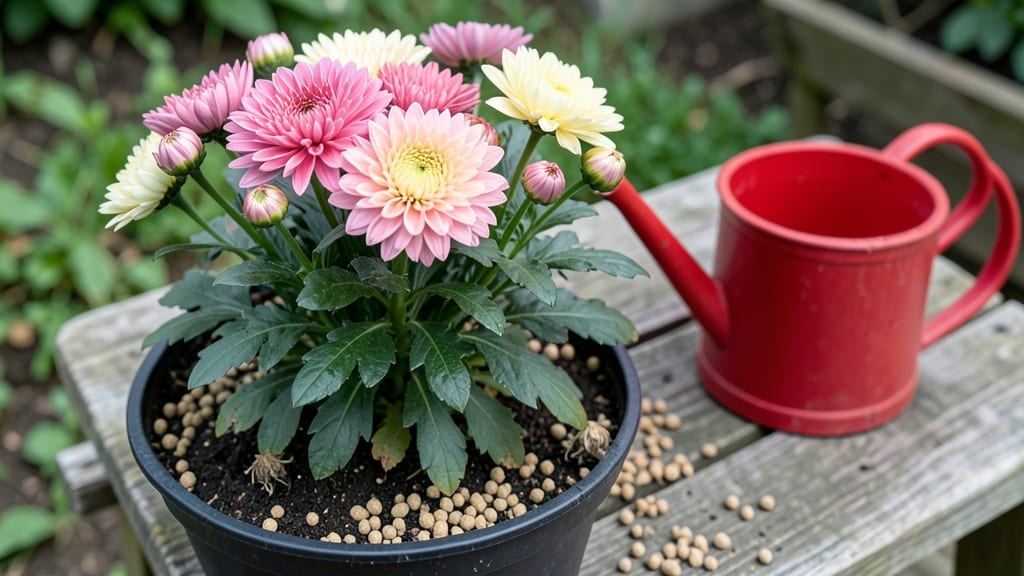
Keeping mums blooming in pots isn't rocket science—it's about matching their needs to container life. 🌼 I've turned my patio into a year-round mum display by mastering just four key moves: soil, light, water, and a little seasonal TLC. The results?
Vibrant blooms from early fall through spring, even in small spaces. Most people overwater or underfeed, which explains why store-bought mums fizzle fast. My foolproof routine uses well-draining potting mix, 6-8 hours of morning sun, and weekly feedings after blooming starts.
The secret weapon? A 3-inch-thick layer of mulch that locks in moisture without drowning roots. By late summer, you'll see fresh buds forming again if you prune back leggy stems and switch to a high-phosphorus fertilizer.
The plants stay compact, the flowers stay bright, and you avoid the sad, sparse blooms that ruin the look. Works for any mum variety—spray, pompon, or cushion—and scales from tiny 6-inch pots to large half-whiskets. Here's how to make it happen without the guesswork.
📚 In This Guide
- What you need
- Instructions
- Tips and common mistakes
- Wrapping up and next steps
What you need
- ● Pots: 1-2 containers per mum plant (12–18 inches in diameter with drainage holes). Pro tip: Terracotta or ceramic pots help regulate moisture.
- ● Well-draining potting mix: 1 bag (1–2 cubic feet) of high-quality mix formulated for container gardening or flowering plants.
- ● Chrysanthemum plants: 1–3 healthy mum plants (check for sturdy stems and vibrant buds).
- ● Slow-release fertilizer: 1 packet (10–12 oz) of balanced 10-10-10 or 20-20-20 granules for potted plants.
- ● Mulch: 1 bag of organic mulch (e.g., shredded bark or coconut coir) to retain moisture.
- ● Gloves: 1 pair of gardening gloves (to protect hands from soil and thorns).
- ● Trowel or small shovel: 1 unit for repotting or mixing soil.
- ● Watering can or hose with gentle spray: 1 unit (avoid overhead watering to prevent fungal issues).
- ● Pruning shears: 1 pair for trimming dead blooms or leggy stems.
- ○ Optional: Self-watering pot (if you travel often).
- ● Grow lights (for indoor winter care).
- ● Epsom salt (1 tbsp/month for magnesium boost).
- ● A sunny spot with 6–8 hours of direct sunlight daily (adjust for indoor grow lights).
- ● Access to soft, filtered water (avoid tap water with high chlorine).
- ● Patience! Mums thrive with consistent care—especially after repotting.
Step-by-step instructions for extending mum blooms in containers
Here's the simple method I've used to keep my potted mums flowering through fall and even into winter.
🌱 Step 1: Choose the Right Mum Variety for Potted Growth
Not all mums thrive in containers—look for spreading or dwarf varieties labeled specifically for pots. These have compact growth habits and won't outgrow their containers. I always pick multi-flowering types because they produce more blooms per stem, which means more color for longer.
Check the plant tag for terms like "proven winner" or "spreading habit"—these are your best bets. Avoid tall, single-stem varieties that grow 24+ inches tall; they'll flop over in pots and produce fewer blooms. The right variety makes all the difference in how long your mums stay vibrant.
💧 Step 2: Water Consistently Without Overdoing It
Mums in pots need consistent moisture but hate soggy roots. Water when the top 1-2 inches of soil feel dry to the touch—stick your finger in to check. I water deeply until it runs out the drainage holes, then let it drain completely before watering again. This prevents root rot while keeping the soil evenly moist.
Here's the thing—mums in containers dry out faster than in-ground plants. If your pots are in full sun, you might need to water daily during hot spells. Watch for wilting leaves; that's your signal to water immediately. But don't let them sit in saucers of water—empty saucers after 10 minutes to prevent waterlogging.
☀️ Step 3: Provide Bright Light and Shelter from Harsh Elements
Mums need 6+ hours of direct sun daily to produce their best blooms. Place your pots where they get morning sun and afternoon shade if your climate gets extremely hot—afternoon sun can scorch the flowers. I've found that east-facing or partially shaded spots work perfectly in most regions.
For extended blooming, protect your mums from strong winds and late-season frosts. A lightweight frost cloth (if available) or even moving pots to a sheltered spot at night can save your blooms. You'll notice flowers lasting longer when they're not stressed by harsh weather.
✂️ Step 4: Deadhead and Fertilize Regularly
Deadheading spent blooms is the secret to keeping mums flowering. Use clean pruners to snip off just above the next set of leaves after each bloom fades. This encourages the plant to produce new buds instead of going dormant. I do this every 2-3 days during peak bloom season to keep my mums looking fresh.
Feed your potted mums with a balanced, water-soluble fertilizer every 2-3 weeks during the growing season. Look for one with equal parts nitrogen, phosphorus, and potassium (like 10-10-10). Stop fertilizing in late summer to encourage blooming rather than leafy growth. You'll see a noticeable difference in bloom quantity and longevity.
🪴 Step 5: Refresh the Soil and Repot as Needed
After the first bloom cycle, refresh the top 2 inches of soil with fresh potting mix to replenish nutrients. This simple step gives your mums a nutrient boost without the shock of full repotting. I mix in a slow-release fertilizer when I do this to keep the plant fed throughout the season.
If your mums have outgrown their pots (roots circling the bottom or growing out of drainage holes), repot into a container 2-4 inches larger in diameter. Use a well-draining potting mix and water thoroughly after repotting. This refreshes the root system and can extend the blooming season by several weeks.
Tips & tricks for perfect potted mums that keep blooming
These simple tricks will help your container-grown mums stay vibrant and full of color for months.
Selection Tip: When choosing your mum varieties, look for labels that mention "spreading habit" or "proven winner"—these are specifically bred for container growth. I've noticed that multi-flowering types produce up to 30% more blooms per stem than single-stem varieties, making them perfect for pots. Avoid anything labeled for "garden beds" or "border planting" as these often grow too tall for containers.
Watering Wisdom: The 10-minute saucer rule is crucial—after watering, always empty saucers within 10 minutes to prevent waterlogging. I've found that using pots with drainage holes AND saucers with drainage holes works best. For extra insurance, consider using self-watering containers that only allow moisture up to the root zone. This prevents the soggy soil that often leads to root rot in potted mums.
Light Strategy: If your mums aren't getting enough natural light, supplement with a grow light for 4-6 hours daily. I've had great success with LED grow lights placed about 12 inches above the plants. The key is to mimic the 6+ hours of direct sun they need—this keeps the blooms coming rather than just leafy growth. Position your lights so they cover the plants from all sides for even exposure.
Deadheading Technique: When deadheading, always cut just above the next set of leaves—never at a stem junction. I use clean pruners for each plant to prevent spreading disease. For extra blooms, pinch off any side shoots that form at the base of the plant. This redirects the plant's energy toward producing more flowers rather than extra foliage. The 2-3 day deadheading schedule is non-negotiable for continuous blooming.
Pro Tips for Keep Mums Blooming In Pots
- These simple tricks will help your container-grown mums stay vibrant and full of color for months.
- Selection Tip: When choosing your mum varieties, look for labels that mention "spreading habit" or "proven winner"—these are specifically bred for container growth.
- Watering Wisdom: The 10-minute saucer rule is crucial—after watering, always empty saucers within 10 minutes to prevent waterlogging.
Frequently asked questions
about keeping mums blooming in pots—because even the best gardeners need a little extra help! Here are answers to the most common questions to keep your potted mums thriving.Can mums bloom year-round in pots, or just in summer?
Mums are technically summer and fall bloomers, but with the right care—like choosing hardy varieties (e.g., 'Autumn Joy' or 'Purple Dome') and providing consistent moisture, sunlight, and winter protection—you can coax blooms into early spring or even late winter in mild climates. In colder zones, treat them as annuals and replant fresh tubers each year.
How do I protect potted mums from winter frost?
Move pots to a sheltered spot (like a garage or covered porch) before the first frost, or wrap them in bubble wrap or frost cloth if left outdoors. Mulch the soil with straw or leaves to insulate roots, and avoid watering once growth slows. In Zone 5 or colder, dig up tubers, store them in dry peat moss, and replant in spring.
Why are my potted mums wilting even though I water them daily?
Overwatering is the #1 culprit! Mums hate soggy roots—ensure pots have drainage holes and use well-draining soil. Check soil moisture with your finger: water only when the top 1–2 inches are dry. Heat stress or pests (like spider mites) can also cause wilting. Spray leaves with water to boost humidity and inspect for pests on the undersides.
Can I use regular potting soil, or do mums need something special?
Mums thrive in light, airy soil that drains well. Mix 50% potting soil with 30% perlite or sand and 20% compost for optimal results. Avoid heavy garden soil—it compacts and traps moisture, leading to root rot. For container gardening, a soilless mix works best.
How do I encourage bigger, longer-lasting blooms?
Deadhead spent flowers regularly to redirect energy to new blooms. Feed with a balanced, water-soluble fertilizer (like 10-10-10) every 2–3 weeks during the growing season. Place pots in full sun (6+ hours/day), and avoid overcrowding—space plants 12–18 inches apart in pots. Morning sun is ideal to prevent scorching.
What can I plant with mums in pots for a fuller look?
Pair mums with trailing plants like Sweet Alyssum or Lobelia for cascading color, or tuck in compact shrubs like Dwarf Fountain Grass or Heuchera for texture. Avoid aggressive spreaders (like mint) that’ll crowd mums. Color-coordinate companions—e.g., Calendula (orange) or Salvia (purple) to echo mum hues!
Wrapping up and next steps
With the right care, your mums in pots can thrive and bloom beautifully year after year! 🌸 Remember to choose the right variety, provide proper drainage, feed them well, and protect them from harsh weather.
A little effort goes a long way—your hard work will be rewarded with vibrant, long-lasting flowers.
Ready to put these tips into action? Grab your gardening tools, pick up some fresh mums, and start your own blooming pot garden today! Happy planting! 🌱