
Blooming
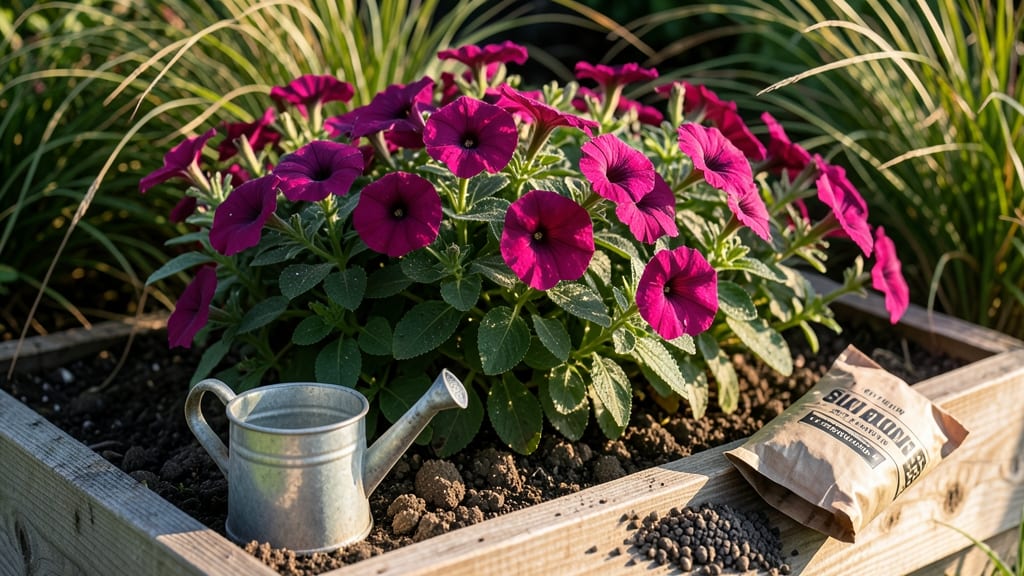
Your petunias could be blooming nonstop if you just prune them right. ✨ The secret to longer, brighter flowers isn’t fancy fertilizers or special soil—it’s cutting back the right way, and I’ll show you exactly how to do it without stressing your plants.
Start with morning sunlight and well-draining soil—petunias hate soggy roots. Feed them every 2 weeks with a balanced fertilizer, but cut back after the first flush of blooms to encourage new growth.
The real game-changer? Pruning spent blooms down to the next set of leaves, not just snipping at the base.
By midseason, you’ll have vibrant, bushy plants covered in flowers instead of leggy stems with a few sad blooms. Deadheading regularly (even daily if they’re prolific) keeps them producing, and a final trim in late summer gives them a second wind before frost.
Works for containers, hanging baskets, or in-ground plantings—just adjust watering (containers dry faster). The key is consistency: prune, feed, and repeat. Your neighbors will be asking for cuttings by summer’s end!
📚 In This Guide
- What you need
- Instructions
- Tips and common mistakes
- Wrapping up and next steps
What you need
- ● Petunia plants: Healthy, mature petunias (annuals or perennials, depending on your climate). Aim for at least 3-5 plants for a full, lush display.
- ● Pruning shears or sharp scissors: Clean, sterilized tools (rubbing alcohol works great!) to avoid spreading disease. Bypass pruners are ideal for clean cuts.
- ● Gloves: Gardening gloves to protect your hands from thorns (if your variety has them) and dirt.
- ● Balanced, water-soluble fertilizer: Look for a 10-10-10 or 20-20-20 NPK ratio (e.g., Miracle-Gro All Purpose). 1-2 tablespoons per gallon of water is a good starting point.
- ● Compost or organic matter: A small bag (5-10 lbs) to enrich soil and provide nutrients. Worm castings or aged manure work wonders!
- ● Mulch: Organic mulch (e.g., straw or shredded bark) to retain moisture and regulate soil temperature. 2-3 inches is perfect.
- ● Slow-release fertilizer granules: Sprinkle around the base of plants for long-lasting nutrition (follow package instructions).
- ● Plant food with bloom boosters: Products like Bloom or Bloom Booster can encourage more flowers.
- ● Epsom salt: A tablespoon dissolved in water can provide magnesium for healthier blooms (use sparingly).
- ● Deadheading scissors: A small pair for quick, on-the-go pruning.
- ● Grow lights or shade cloth: If your petunias struggle with intense sunlight or heat (common in hot climates).
Step-by-Step guide to encouraging petunia blooms
Here’s how to transform your petunias from leafy greens into a nonstop floral display—no fancy fertilizers needed.
🌿 Step 1: Deadhead Regularly for Continuous Blooms
Pinch or snip off spent blooms the day after they fade—this redirects the plant’s energy from seed production to fresh flowers. Use clean, sharp scissors or your fingers to avoid damaging stems. I always check for buds first; if you see new blooms forming, wait until those open before deadheading nearby flowers.
This step is critical: petunias bloom best when they’re not wasting energy on seed pods. You’ll notice within a week that new buds appear faster and last longer. Work in the morning when blooms are dry, and avoid cutting into leafy growth—just the flower stem about ½ inch above the next set of leaves.
✂️ Step 2: Prune Leggy Growth to Encourage Bushier Habit
When stems stretch too tall and sparse, cut them back by ⅓ to ½ their length. Focus on the longest, weakest stems first—they’re the ones stealing energy from blooms. Prune just above a leaf node where new growth can sprout. I like to do this after a heavy rain when the soil is moist, as petunias recover faster with good hydration.
This isn’t about making them smaller—it’s about training them to grow thicker, more compact, and packed with buds. After pruning, you’ll see new side shoots emerge within 7-10 days. Avoid heavy pruning late in the season, as it can delay fall blooms when days grow shorter.
☀️ Step 3: Optimize Light and Water for Peak Performance
Petunias need 6-8 hours of direct sun daily—more sun means more blooms. If yours are in partial shade, move them to a sunnier spot or supplement with a grow light for 4-6 hours. You’ll know they’re getting enough light when leaves stay dark green and stems stay sturdy. Pale, leggy growth means they’re stretching for more sun.
Water at the base in the morning to keep soil evenly moist but not soggy. Overhead watering can cause mildew, while underwatering stresses plants and reduces blooms. I check soil moisture by sticking my finger 1 inch deep—if it’s dry, it’s time to water. Mulch around the base to retain moisture and keep roots cool.
🌱 Step 4: Feed Lightly for Stronger, Longer Blooms
Use a balanced, water-soluble fertilizer (10-10-10) every 2-3 weeks during the growing season. Dilute it to ½ strength to avoid burning roots. I always fertilize after pruning to give new growth a nutrient boost. Stop feeding in late summer to encourage fall blooms without excessive leafy growth.
Petunias respond best to frequent, light feedings rather than heavy doses. You’ll see brighter colors and sturdier stems within 10-14 days of consistent feeding. Avoid high-nitrogen fertilizers—they promote leaves over flowers. If blooms fade quickly, it’s often a sign of too much nitrogen or not enough phosphorus.
⏰ Step 5: Extend the Blooming Season with Smart Care
As temperatures drop below 50°F, petunias slow down. To prolong blooms, move container-grown plants to a sheltered spot or bring them indoors near a sunny window. Cut back dead or damaged stems in early fall to encourage a final flush of flowers before frost.
In colder climates, treat petunias as annuals—they won’t survive winter. But with the right care, you can enjoy blooms from early spring until first frost. I always take cuttings from my best performers in late summer to propagate for next year’s garden. The key is consistency: deadhead, prune, and feed regularly, and your petunias will reward you with nonstop color.
Tips & tricks for encouraging petunia blooms
Small adjustments make all the difference when transforming petunias from leafy stalks into vibrant bloomers.
Deadheading Timing: The day-after rule is key—wait until blooms are fully spent and beginning to wilt before removing them. This ensures you're not cutting off buds that could still open. I've found that morning deadheading prevents nighttime dew from lingering on fresh cuts, reducing the risk of mildew. For large gardens, consider using clean pruning shears with a small basket to collect spent blooms efficiently.
Pruning Precision: When cutting back leggy growth in Step 2, aim to remove only the top third of the longest stems—never more than half. This maintains the plant's energy balance while encouraging bushier growth. Always prune just above a leaf node where new shoots will emerge. I've noticed that petunias pruned after a rain recover faster, so plan your pruning session for cloudy days or right after irrigation.
Light Optimization: The 6-8 hours of direct sun requirement is non-negotiable for maximum blooms, but there's a trick for partial shade situations: rotate your containers every few days to ensure all sides get equal exposure. For indoor grow lights, position them 6-12 inches above the plants and use a timer for consistent 4-6 hour sessions. I've seen petunias in south-facing windows thrive with just 4 hours of supplemental light when combined with morning sun.
Fertilizer Strategy: That 10-10-10 fertilizer at half strength is your secret weapon, but timing matters. Apply it after pruning when new growth is actively forming—this gives the nutrients a direct path to developing buds. I've found that alternating between this balanced fertilizer and a phosphorus-rich formula (like 5-10-5) every other feeding produces noticeably brighter blooms. Always water thoroughly before and after fertilizing to prevent root burn.
Pro Tips for Get Petunias To Bloom
- Small adjustments make all the difference when transforming petunias from leafy stalks into vibrant bloomers.
- Deadheading Timing: The day-after rule is key—wait until blooms are fully spent and beginning to wilt before removing them.
- Pruning Precision: When cutting back leggy growth in Step 2, aim to remove only the top third of the longest stems—never more than half.
Frequently asked questions
Got questions about coaxing those stunning petunia blooms? You’re not alone! Here are answers to the most common concerns—from timing to troubleshooting—so you can enjoy a garden bursting with color.
Why aren’t my petunias blooming at all?
Petunias often skip blooming due to overfeeding (too much nitrogen = leafy growth, not flowers) or lack of sunlight (they need 6+ hours daily). Deadhead spent blooms regularly and switch to a low-nitrogen, high-phosphorus fertilizer (like 5-10-10) to encourage flowering. If they’re still sluggish, check for pests like spider mites or root rot.
How long does it take for petunias to bloom after planting?
With proper care, petunias typically bloom 6–8 weeks after planting from seed or 2–4 weeks if you’re using transplants. For faster results, opt for heat-tolerant varieties (like ‘Wave’ or ‘Supertunia’) and ensure consistent moisture. Patience pays off—once they start, they’ll keep blooming until frost!
Can I prune petunias too much?
Yes! Over-pruning stresses plants and can stunt growth. Stick to light trimming—snip just above a leaf node (where new growth emerges) to encourage bushier, fuller plants. Avoid cutting more than 1/3 of the plant at once, and never prune into woody stems. Think of it as a haircut, not a buzz cut!
Do petunias bloom better in heat or cool weather?
Petunias thrive in warm but not scorching conditions (ideal: 65–80°F). While they tolerate heat, they may go dormant in extreme heat (>90°F) or bolt (seed prematurely) in cool spring/fall temps. For year-round blooms, plant in partial shade during peak summer or choose heat-resistant varieties like ‘Mitchell’ or ‘Easy Wave.’
What can I do if my petunias stop blooming mid-season?
Mid-season slumps often happen due to stress—check for:
- Water issues: Too much (root rot) or too little (wilting). Aim for 1 inch of water weekly.
- Nutrient burn: Switch to a balanced fertilizer (like 10-10-10) if you’ve been overdoing it.
- Pests/disease: Inspect leaves for holes, spots, or sticky residue. Treat with neem oil or insecticidal soap if needed.
Wrapping up and next steps
Getting your petunias to bloom beautifully is all about patience, proper care, and a little strategic pruning! 🌸 With the right balance of sunlight, nutrients, and regular maintenance, you’ll enjoy vibrant flowers all season long. Start small—pick one technique, like deadheading or pinching, and watch your petunias thrive.
Now that you’re armed with these tips, roll up your sleeves and give your petunias the love they deserve. Grab your shears, head outside, and enjoy the rewarding process of nurturing your garden. Happy gardening! 🌿