
Blooming
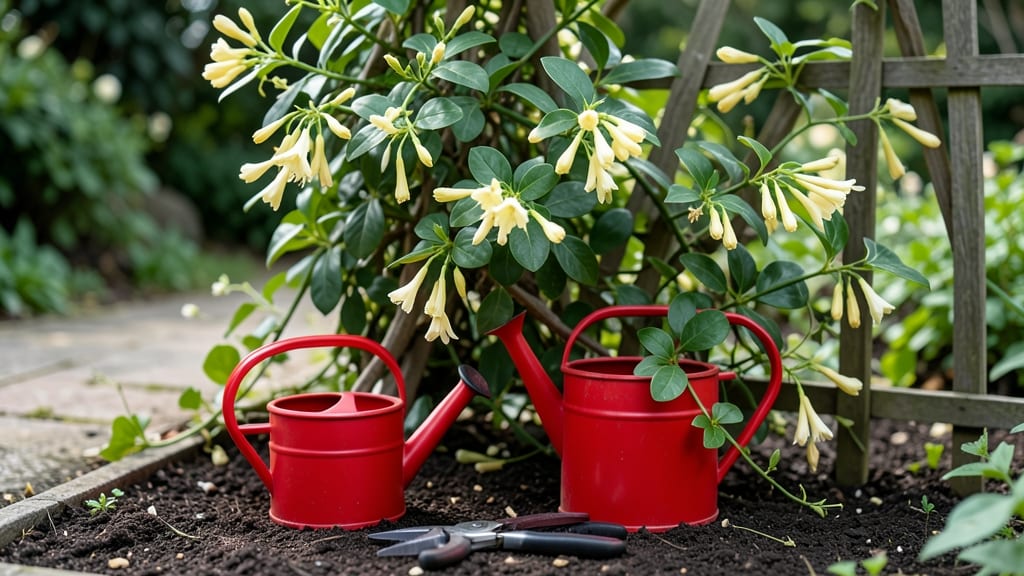
How to get this jasmine plant to bloom means cracking the sunlight code—these fragrant climbers need 6-8 hours of direct sun daily to trigger those intoxicating flowers. 🌿 I’ve watched my star jasmine go from leafy vines to a wall of white blossoms. just by adjusting where it grows, and the difference is night-and-day.
The secret isn’t just light—it’s timing. Prune right after flowering (late winter) to encourage new growth, and fertilize lightly in spring with balanced 10-10-10 to avoid leafy overgrowth. Overwatering kills blooms faster than anything else, so let the top inch of soil dry between waterings.
By summer, you’ll see buds forming where sunlight hits the stems—those little green nubs are your promise of perfume. The first blooms arrive in late spring or early summer, and with proper care, they’ll keep coming all season.
Works for both star jasmine (Trachelospermum) and common jasmine (Jasminum), though star jasmine blooms more reliably in cooler climates. Let’s get those flowers going!
📚 In This Guide
- What you need
- Instructions
- Tips and common mistakes
- Wrapping up and next steps
What you need
- ● Jasmine plant: Species: Jasminum officinale (common jasmine), Jasminum sambac (Arabian jasmine), or Trachelospermum jasminoides (star jasmine).
- ● Age: Mature plants (2+ years old) bloom more reliably than young seedlings.
- ● Well-draining potting mix: 1 bag (1–2 cubic feet) of a blend like: 60% peat moss or coco coir
- ● 30% perlite or pumice
- ● 10% compost or worm castings
- ● Pruning tools: Clean, sharp bypass pruners (for cutting stems >¼ inch thick)
- ● Sterilized hand pruners (for smaller stems)
- ● Fertilizer: Balanced liquid fertilizer (10-10-10 or 20-20-20), 1 gallon
- ● OR slow-release granular fertilizer (10-10-10), ½ cup per plant
- ● Sunlight: 6+ hours of direct sunlight daily (south- or west-facing windows or grow lights for indoor plants).
- ● Temperature: Ideal range: 60–80°F (15–27°C). Avoid drafts or temps below 50°F (10°C).
- ● Humidity: 50–70% (use a humidifier or pebble tray if air is dry).
- ● Water: Distilled or rainwater (avoid tap water with high chlorine/fluoride).
- ● Grow lights (LED full-spectrum, 12–16 hours/day for indoor plants).
- ● Humidity tray or automatic misting system.
- ● Epsom salt (1 tbsp dissolved in 1 gallon of water for magnesium boost).
- ● Bloom-boosting fertilizer (e.g., fish emulsion or tomato fertilizer, high in phosphorus).
- ● Support structure (trellis or stake for climbing varieties).
Step-by-step instructions for encouraging jasmine blooms
Jasmine thrives on three things: sunlight, patience, and the right pruning touch.
☀️ Step 1: Provide the Right Light Exposure
Jasmine plants need 6-8 hours of direct sunlight daily to trigger blooming. Place your plant near a south- or west-facing window where it gets bright, unfiltered light. If indoors, supplement with a grow light kept 6-12 inches away for 12-14 hours a day. You’ll know it’s getting enough light when the leaves stay a deep, glossy green—pale or yellowing leaves mean it’s not getting sufficient sun.
If you’re growing jasmine outdoors, make sure it’s in a spot where it gets morning sun and afternoon shade during hot summers. Too much midday heat can stress the plant and delay blooms. Watch for leaves that curl or scorch—that’s a sign it’s getting too much direct sun at the wrong time.
💧 Step 2: Water and Feed for Blooming Success
Water your jasmine when the top 1-2 inches of soil feel dry to the touch. Overwatering is the fastest way to kill blooms—jasmine roots need well-draining soil to stay healthy. I like to water deeply but only when the soil is dry, which usually means every 5-7 days depending on humidity and temperature. You’ll see drooping leaves if it’s thirsty, but yellowing leaves if it’s getting too much water.
Feed your jasmine with a balanced, water-soluble fertilizer (like 10-10-10) every 4-6 weeks during the growing season (spring and summer). Stop fertilizing in fall and winter—this gives the plant time to rest and store energy for next year’s blooms. A little Epsom salt (1 tablespoon per gallon of water) every 2 months also helps encourage flowers by boosting magnesium.
✂️ Step 3: Prune for Better Airflow and Flower Production
Pruning isn’t just about shaping—it’s about encouraging new growth where flowers form. Trim back overly long or leggy stems in early spring before new growth starts. Cut just above a leaf node (the bump where leaves attach) to promote branching. You’ll see more compact growth and thicker foliage after pruning, which means more potential blooms.
After the first flush of blooms fades, prune again to remove dead or dying flowers and stems. This redirecting energy to new growth ensures a second bloom cycle later in the season. Avoid heavy pruning in fall or winter—jasmine needs its leaves to photosynthesize and store energy for spring blooms.
🌿 Step 4: Encourage Blooming with Temperature and Humidity
Jasmine blooms best in warmth—ideal temperatures are between 65-85°F. If your plant is indoors, keep it away from drafts, air conditioning vents, or heaters, which can stress it. You’ll notice fewer blooms or no blooms at all if the plant is consistently too cold or too hot. A humidifier or pebble tray helps mimic its natural tropical environment, especially if your home is dry.
Outdoor jasmines love warm, humid climates but can still bloom in cooler areas if given protection from frost. If you live in a colder zone, bring potted jasmines indoors before temperatures drop below 50°F. Watch for buds that form but don’t open—this often means the plant is too cold or not getting enough light to complete the blooming process.
Tips & tricks for perfect jasmine blooms
Here's what nobody tells you about coaxing those fragrant blooms from your jasmine plant.
Light Exposure: That 6-8 hours of direct sunlight is non-negotiable for blooming—think of it as jasmine's version of a spa day. If your plant isn't getting enough light, those buds will never open. I've found that rotating your plant quarter-turns every few days ensures even growth and prevents lopsided light exposure, which can lead to sparse blooming on one side. For indoor plants, place them on a south-facing window sill or use a grow light on a timer for those 12-14 hours of artificial daylight.
Watering Wisdom: I learned this the hard way after ruining three batches—jasmine roots are surprisingly sensitive. The top 1-2 inches dry test works, but I've found that using a moisture meter gives more consistent results. Water in the morning so excess moisture evaporates during the day, preventing fungal issues that can stress the plant and delay blooms. And here's a pro move: use room temperature water—cold water can shock the roots and send the plant into survival mode instead of growth mode.
Fertilizer Timing: Those 4-6 weeks between feedings during growing season are crucial, but I've noticed that splitting the dose into two applications—half at planting and half again two weeks later—gives more consistent blooms. The 1 tablespoon of Epsom salt every 2 months is a game-changer too, but I've found that mixing it directly with water-soluble fertilizer creates a double nutrient punch without overloading the plant. Just remember to stop fertilizing completely in fall and winter—jasmine needs that rest to store energy for next year's blooms.
Pruning Precision: When you're cutting those overly long stems in early spring, make your cuts at a 45-degree angle just above a leaf node. This encourages better water flow to new growth points and prevents water from pooling on the cut surface. I've found that using sterilized pruning shears (dipped in rubbing alcohol) reduces the risk of disease transmission between cuts, which is especially important when you're working with multiple stems. And here's a trick: after pruning, give your plant a light misting to help it recover from the stress.
Pro Tips for Get Jasmine Plant To Bloom
- Here's what nobody tells you about coaxing those fragrant blooms from your jasmine plant.
- Light Exposure: That 6-8 hours of direct sunlight is non-negotiable for blooming—think of it as jasmine's version of a spa day.
- Watering Wisdom: I learned this the hard way after ruining three batches—jasmine roots are surprisingly sensitive.
Frequently asked questions
Got questions about coaxing those fragrant jasmine blooms? You’re not alone!
Here are answers to the most common concerns—from timing to troubleshooting—so you can enjoy your plant’s sweet scent sooner.
Why isn’t my jasmine blooming even after giving it lots of sun?
Jasmine needs consistent sunlight (6+ hours daily) and patience—some varieties bloom only in spring/summer. If it’s still dormant, check for root-bound pots or nutrient deficiencies. Try moving it to a brighter spot (like a south-facing window) and fertilize lightly with a bloom booster.
How long does it take for jasmine to bloom after planting?
Most jasmine plants take 1–3 years to bloom after planting, depending on the variety (e.g., Jasminum officinale is slower than Jasminum sambac). Young plants focus on root growth first—be patient! If it’s over 2 years old and still not blooming, it may need pruning or a winter rest period.
Can I force jasmine to bloom indoors year-round?
Indoor jasmine thrives with cool nights (50–60°F) and warm days (70–80°F) to mimic seasonal changes. Use grow lights for 12–14 hours/day in winter, and avoid drafts. However, most varieties still need a dormant period (reduced water/fertilizer in winter) to rebloom. Pro tip: Mimic spring by gradually increasing light and warmth in late winter.
Does pruning help jasmine bloom more?
Yes! Prune in early spring to remove deadwood and shape the plant, and do a light trim after blooming to encourage new growth. Avoid heavy pruning in fall/winter—this can delay blooms. For climbing varieties, prune to open the center for airflow, which reduces stress and promotes flowers.
What should I do if my jasmine leaves are yellow but no blooms appear?
Yellow leaves often signal overwatering or nutrient issues. Let the top inch of soil dry out between waterings, and flush the pot with water to remove salt buildup. Feed with a balanced fertilizer (like 10-10-10) every 4–6 weeks in growing season. If roots smell rotten, repot in fresh, well-draining soil. Warning: Yellowing can also mean pests—check for spider mites or aphids!
Wrapping up and next steps
Getting your jasmine plant to bloom is all about patience, the right care, and a little know-how!
By mastering sunlight exposure, pruning techniques, and nutrient balance, you’ll unlock those fragrant flowers in no time. 🌸 Don’t forget—consistency is key, so keep monitoring your plant’s needs and adjusting as you go.
Now that you’re armed with these tips, why not share your progress with fellow plant lovers? Snap a pic of your blooming jasmine and tag us—we’d love to see your hard work pay off! 📸✨