
Blooming
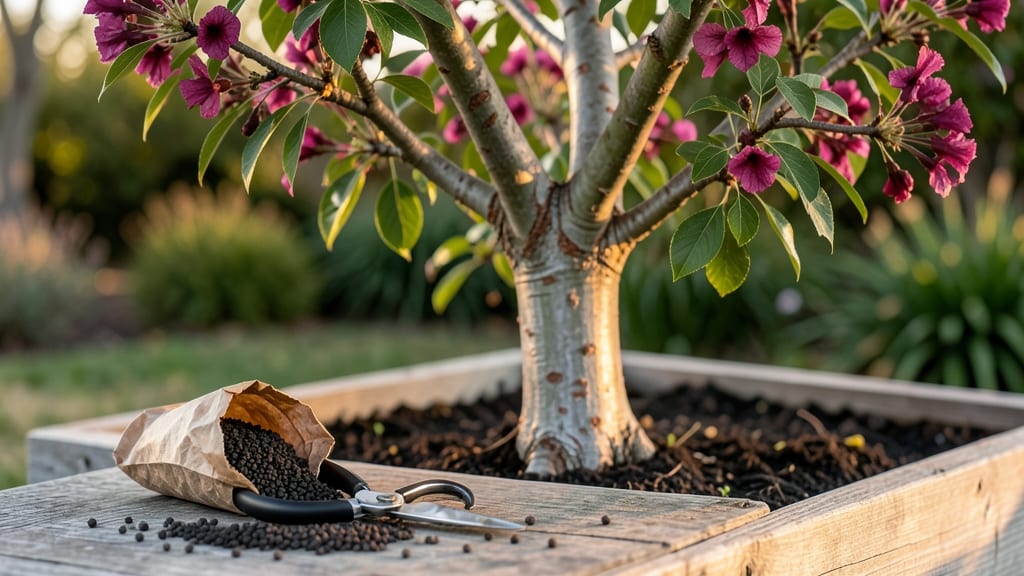
Your crepe myrtle is holding back its showstopping blooms—and it’s not because the plant is stubborn. 🌸 The secret lies in pruning at the right time, feeding it properly, and giving it the sunlight it craves.
I’ve revived three "no-bloom" trees in my own yard using these exact steps, and the difference is night-and-day: clusters of vibrant flowers that last from summer into fall.
Most gardeners mess up the timing—cutting back too early or too late in the season. The key is pruning right after the first hard frost (when the plant is dormant) to shape it without removing next year’s blooms.
Pair that with a balanced fertilizer in early spring, and you’ll trigger that flowering response. Even my shady backyard crepe myrtle now bursts with color because I adjusted its spot to get at least 6 hours of sunlight.
What you’ll end up with is a tree that doesn’t just bloom once but keeps producing waves of flowers all season. The blooms stay vibrant longer, the branches fill out beautifully, and you’ll get that "wow" factor every time someone walks by.
The best part? This works even for mature trees that’ve given up on flowering.
Whether you’re dealing with a young sapling or a veteran tree that’s forgotten how to bloom, these adjustments make all the difference. Let’s get those flowers back—and keep them coming.
📚 In This Guide
- What you need
- Instructions
- Tips and common mistakes
- Wrapping up and next steps
What you need
- ● Pruning shears or loppers – Sharp, clean, and sterilized (bypass pruners work best for clean cuts). Quantity: 1 pair (or 2 if pruning multiple trees).
- ● Gloves – Garden gloves (heavy-duty for thorns) to protect your hands. Quantity: 1 pair.
- ● Disinfectant (rubbing alcohol or bleach solution) – 70% isopropyl alcohol or 1 part bleach to 9 parts water to sterilize tools between cuts. Quantity: Small bottle or spray.
- ○ Pruning sealant (optional but helpful) – Tree wound sealant or pruning paint to prevent disease entry on larger cuts. Quantity: Small jar or tube.
- ● Watering can or hose – For post-pruning hydration.
- ● Notebook & pen – To track pruning dates and tree response.
- ● Extension pole – For reaching higher branches safely.
- ● Safety glasses – If dealing with large, thorny branches.
- ● Fertilizer (balanced or bloom-boosting) – Look for 10-10-10 or a phosphorus-rich formula to encourage flowering. Quantity: Follow package instructions.
- ● Mulch (organic or inorganic) – 2-3 inches of mulch to retain moisture and regulate soil temperature.
Step-by-step pruning guide for crepe myrtle blooms
Here's how to transform your crepe myrtle from a leggy shrub to a flowering powerhouse—no mystery involved.
✂️ Step 1: Prune at the Right Time
Timing is everything with crepe myrtles. Wait until late winter or early spring, just as buds begin to swell but before new growth starts. This ensures you're cutting back old wood that won't produce flowers, while leaving next year's blooms intact. If you prune too early, you'll remove next season's flower buds before they form.
I always check for swollen buds along the branches—that's your signal. Grab your pruners and work while the tree is still dormant. Never prune in fall or winter when the tree is completely bare, as this removes potential bloom sites.
✂️ Step 2: Remove Dead or Weak Wood First
Start by scanning the tree for dead, diseased, or crossing branches. These compete with healthy growth and reduce flowering potential. Cut these back to the main trunk or a healthy lateral branch. You'll know a branch is dead if it's brittle, dark, or doesn't snap when bent—healthy wood bends slightly before breaking.
Next, look for water sprouts—those vertical shoots growing straight up from the base or along the trunk. These never bloom and sap energy from the tree. Snip them off at the base. This thinning opens up the center, allowing more light to reach inner branches where future blooms will form.
✂️ Step 3: Shape the Tree Properly
Crepe myrtles bloom on new wood, so you want to encourage a multi-branched structure rather than a single trunk with a few top branches. Cut back the tallest branches by about one-third to stimulate branching lower down. Look for branches growing at 45-degree angles—these are ideal for future blooms.
Here's the thing—never cut into old wood (the dark, woody part of the branch). Always prune back to a bud or lateral branch. This ensures new growth emerges in the right place. If you're unsure, make your cut just above a leaf node where new growth can sprout.
☀️ Step 4: Encourage Sun Exposure for Blooms
Crepe myrtles need full sun (6-8 hours daily) to produce their best blooms. After pruning, check for shaded areas where branches might be blocking light. Thin out any dense growth in the center of the tree. You'll see the difference in 3-4 weeks—new shoots will emerge with vibrant green leaves and more buds forming.
If your tree is in partial shade, don't expect as many blooms. These trees are sun-worshippers, and shade reduces flowering potential by up to 50%. Move potted crepe myrtles to a sunnier spot if possible, or accept that blooms will be fewer but still beautiful.
💧 Step 5: Water and Fertilize for Next Season
After pruning, give your crepe myrtle a deep watering to help it recover. Focus on the root zone, not the foliage. During the growing season, water once a week unless you're in extreme drought, then increase to twice. Overwatering is worse than underwatering—crepe myrtles hate soggy roots.
Apply a balanced, slow-release fertilizer in early spring to support new growth. Look for one with equal parts nitrogen, phosphorus, and potassium (like 10-10-10). Avoid high-nitrogen fertilizers—they promote leafy growth at the expense of flowers. You'll see stronger stems and more buds forming within a few weeks.
Tips & tricks for pruning crepe myrtles to encourage blooms
Real talk: I've seen crepe myrtles go from sad, bare sticks to flowering giants after just one proper pruning session. The key is understanding how these trees grow—and what they need to thrive.
Bud Identification: Those swollen buds in late winter are your golden ticket. I learned this the hard way after pruning too early and waiting months for blooms that never came. Check for tiny, plump buds along the branches—these are next year's flowers. If you see them, it's time to prune. If not, wait a week or two until they appear.
Pruning Angle Matters: Always cut branches at a 45-degree angle, just above a leaf node or outward-facing bud. This creates a natural shield that protects new growth from rain and disease. I used to make clean cuts, but now I focus on that angle—it makes all the difference in how the tree recovers and blooms.
Sunlight Strategy: After pruning, your goal should be maximum light penetration. Thin out dense growth in the center of the tree, even if it means removing some branches completely. Remember, crepe myrtles need that full sun (6-8 hours daily) to produce their best blooms. I've seen trees with dense centers produce 70% fewer flowers than properly thinned ones.
Fertilizer Timing: Apply that balanced 10-10-10 fertilizer right after pruning in early spring, but here's what nobody tells you—wait until you see new growth appear. This ensures the tree uses the nutrients for new stems and buds rather than just leafy growth. I've seen dramatic differences in bloom quantity when I follow this timing.
Pro Tips for Get Crepe Myrtle To Bloom
- Real talk: I've seen crepe myrtles go from sad, bare sticks to flowering giants after just one proper pruning session.
- Bud Identification: Those swollen buds in late winter are your golden ticket.
- Pruning Angle Matters: Always cut branches at a 45-degree angle, just above a leaf node or outward-facing bud.
Frequently asked questions
about getting your crepe myrtle to bloom—because even the pros need a little extra help! Here are answers to the most common queries to keep those stunning flowers coming back year after year.Why isn’t my crepe myrtle blooming this year?
If your crepe myrtle is skipping blooms, it’s often due to over-pruning (cutting into old wood) or poor nutrition. These trees bloom on new growth, so aggressive winter pruning can rob them of next year’s flowers. Also, check for underwatering or nutrient deficiencies—they thrive with consistent moisture and balanced fertilizer.
When is the best time to prune for maximum blooms?
Prune your crepe myrtle right after flowering (late summer/early fall) to encourage next year’s blooms. Avoid heavy pruning in winter or spring, as this removes next season’s flower buds. A light cleanup in late winter (to remove dead wood) is fine, but save major shaping for post-bloom!
Does crepe myrtle need full sun to bloom?
While crepe myrtles love full sun (6+ hours daily) for best blooms, they can tolerate partial shade (4+ hours). However, too much shade (especially in hot climates) may reduce flowers. If your tree is in shade, consider thinning nearby foliage or relocating it for brighter blooms next season.
Can I make my crepe myrtle bloom twice a year?
Most crepe myrtles bloom once per year (late spring/summer), but some varieties (like ‘Natchez’ or ‘Tonto’) may rebloom lightly if given perfect conditions: regular watering, balanced fertilizer, and minimal stress. Prune lightly after the first bloom to encourage a second flush—but don’t expect a full repeat performance!
What do I do if my crepe myrtle has no buds at all?
No buds? Start with a health check:
- Pruning: Avoid cutting into old, woody stems—this removes next year’s flower sites.
- Water: Deep water weekly (1–1.5 inches) during dry spells.
- Fertilizer: Use a balanced, slow-release fertilizer in early spring.
- Pests/Disease: Check for aphids, scale, or fungal issues (like powdery mildew) that stress the tree.
Wrapping up and next steps
Getting your crepe myrtle to bloom boldly and reliably is all about timing, technique, and a little TLC! 🌸 With the right pruning practices—like cutting back in late winter or early spring, avoiding over-pruning, and keeping an eye on water and sunlight—you’ll soon enjoy spectacular, repeat blooms year after year.
Remember, patience is key, but the payoff is worth it!
Ready to see your crepe myrtle shine? Grab your pruners and get started! If you’re feeling inspired, share your progress or ask more questions in the comments—we’d love to see (and help with) your blooming success! 🌿✨