
Blooming
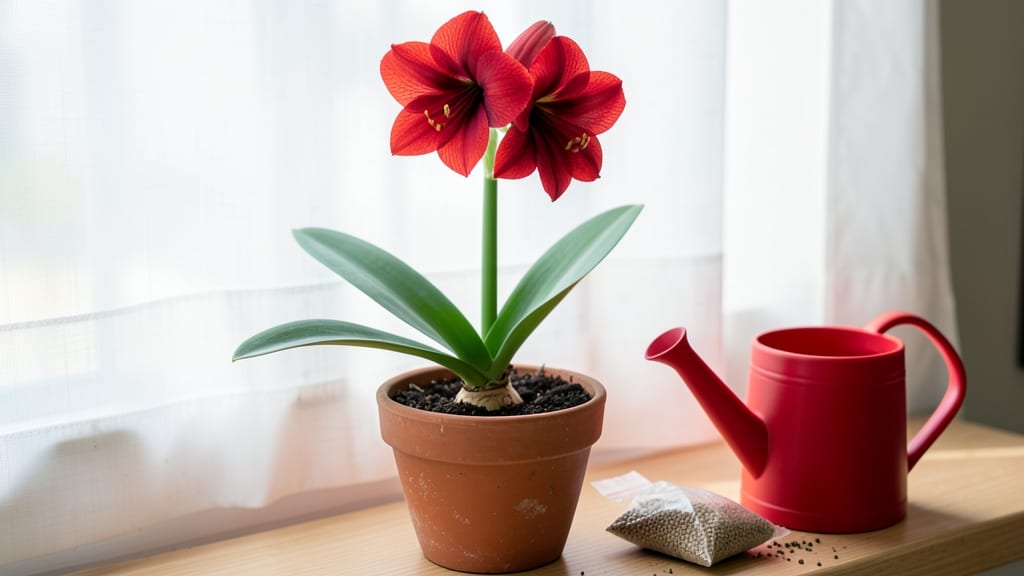
Forcing amaryllis to bloom means mastering dormancy—something most growers miss. ✨ My first amaryllis sat for years, sending up leaves but never a single bud until I learned the secret: 6-8 weeks of cool, dry rest mimics winter conditions and triggers reblooming.
The key isn't just water or light—it's the pause that makes the difference.
Start by stopping water entirely once blooms fade, then move the pot to a 50-60°F spot (garage, basement, or shaded porch works). No light means no growth—just pure dormancy.
After 8 weeks, bring it back indoors and resume watering lightly. Within 6-8 weeks of this restart, you'll see buds forming where before there was only frustration.
What you'll end up with is a plant that rewards patience with 6-10 dramatic blooms per stalk, often reblooming twice a year. The flowers stay vibrant for 7-10 days, and the scent—sweet with a hint of spice—fills the room.
The secret isn't fancy; it's timing and letting the plant reset.
This method works for store-bought bulbs too—just skip the dormancy shortcuts. Whether you're dealing with a stubborn first-time bloomer or a veteran plant that's lost its rhythm, the same principles apply. Here's how to make it happen without guessing.
📚 In This Guide
- What you need
- Instructions
- Tips and common mistakes
- Wrapping up and next steps
What you need
- ● Amaryllis bulb: 1 healthy, mature bulb (preferably 2–3 inches in diameter for best results). Look for firm, dry bulbs with no soft spots or mold.
- ● Well-draining potting mix: 1 bag (5–10 quarts) of a cactus/succulent blend or a mix of 50% potting soil + 50% perlite/pumice. Amaryllis hate soggy roots!
- ● Pot: 1 container with drainage holes (6–8 inches in diameter for a single bulb; larger for multiple bulbs). Terracotta or ceramic works best.
- ● Watering can or spray bottle: For gentle hydration—avoid overwatering!
- ● Bright, indirect light source: A south- or west-facing window, grow light, or sunny spot (6+ hours of light daily during growth).
- ● Cooling environment: A dark, cool space (50–55°F) for dormancy (e.g., basement, garage, or unheated porch).
- ● Fertilizer: A balanced 20-20-20 or bulb-specific fertilizer (diluted to half-strength) to boost growth after blooming.
- ● Mulch or pebbles: For decorative pots—adds aesthetic flair while keeping roots cool.
- ● Humidity tray: A shallow tray with pebbles + water to increase humidity (especially helpful in dry climates).
- ● Support stake or trellis: If your amaryllis grows tall (2–3 feet), a lightweight stake keeps stems from flopping.
- ● Bloom booster: A phosphorus-rich fertilizer (like 10-30-20) during the reblooming phase to encourage flower production.
Step-by-Step instructions for forcing amaryllis to bloom
Here's the method I've used to coax multiple blooms from the same bulb—no magic, just precise timing and care.
🌱 Step 1: Trigger Dormancy After Flowering
Once your amaryllis finishes blooming, stop watering completely and move the pot to a cool, dark spot with temperatures between 50-60°F. This mimics winter conditions and signals the bulb to store energy for next season's growth. Place it near an unheated garage or basement corner—just avoid freezing temps.
Leave the bulb in dormancy for 8-12 weeks. You'll know it's ready when the leaves turn yellow and crispy. Don't panic—this is normal. The key is patience; forcing dormancy too short or long prevents blooming. I mark the start date on my calendar so I don't forget.
☀️ Step 2: Restart Growth with Light and Warmth
After dormancy, place the pot in bright, indirect light and resume watering when you see 1-2 inches of new green growth. Use room temperature water and keep the soil lightly moist—never soggy. Amaryllis roots are sensitive to rot, so I always check the pot's drainage holes before watering.
When the first true leaves appear (about 4-6 weeks after restarting), increase light to 6-8 hours of direct sun daily. A south-facing window works best, but supplement with a grow light if needed. You'll notice leaves growing faster and developing a deeper green color—this means the bulb is actively storing energy for blooms.
💧 Step 3: Fertilize and Hydrate for Bloom Prep
Begin fertilizing 2-3 weeks after new growth starts, using a balanced 10-10-10 or 20-20-20 fertilizer diluted to half strength. Feed every 2 weeks until buds form. The goal is to encourage strong foliage and root development—both are critical for bloom production. I use a spray bottle for even distribution and avoid wetting the leaves.
Water deeply when the top 2 inches of soil feel dry, but never let the bulb sit in standing water. Overwatering at this stage leads to weak stems and dropped buds. A moisture meter helps, but I rely on the finger test—stick your finger in the soil to check moisture levels.
⏰ Step 4: Time the Bloom Trigger
About 6-8 weeks after new growth begins, move the pot to a cooler location (60-65°F) for 2-4 weeks. This temperature drop mimics seasonal changes and prompts bud formation. You'll see tiny buds appear at the base of the stem—this is your signal that the process is working.
Return the plant to warmth (70-75°F) and resume normal care. Buds will swell and open within 2-4 weeks. If buds drop off, it's usually due to temperature fluctuations or underwatering. I keep my amaryllis in a stable environment during this critical phase—no drafts or sudden heat changes.
✂️ Step 5: Maintain After Blooming for Future Seasons
Once flowers fade, cut the spent stems at the base but leave the leaves intact. The foliage continues photosynthesizing, feeding the bulb for next year's blooms. Water and fertilize normally until leaves yellow naturally—usually 6-8 weeks after flowering. This full cycle ensures your amaryllis builds enough energy for 2-3 blooms per season over time.
After leaves die back, repeat the dormancy process. Each cycle strengthens the bulb, leading to bigger, more abundant blooms. I've had the same amaryllis produce 15+ blooms over 5 years by following this routine. The secret? Consistency in timing and care.
Tips & tricks for perfect amaryllis reblooming
These precise adjustments turn your amaryllis from a one-time bloomer into a reliable showstopper year after year.
Dormancy Precision: The 8-12 week dormancy period is non-negotiable for energy storage, but I've found that bulbs in cooler climates (below 60°F) often need the full 12 weeks while warmer climates can get away with 8-10 weeks. Watch for that crispy leaf signal—it's your cue that the bulb has fully recharged. I keep a small whiteboard near my plants to track dormancy start dates and countdowns.
Light Transition Strategy: When moving from indirect to direct light in Step 2, I gradually increase exposure over 3-4 days to prevent leaf scorch. Start with 2 hours of morning sun, then add afternoon sun incrementally. The goal is to let the plant adapt while still maintaining that deep green color that signals energy absorption. A sheer curtain helps diffuse harsh afternoon light.
Fertilizer Timing Secret: The 2-3 week wait before fertilizing after new growth appears is crucial—it lets the bulb recover from dormancy stress. I use a spray bottle for fertilizer because it distributes evenly without wetting the leaves, which prevents fungal issues. For extra insurance, I mix in a fungicide like neem oil at half-strength during the first application to protect those vulnerable new leaves.
Temperature Stability Tip: During the critical 2-4 week cooler period in Step 4, I place my amaryllis on a seedling heat mat set to 60°F to maintain consistent temperatures. Even slight fluctuations can cause buds to drop. A small thermometer clipped to the pot helps monitor conditions—nothing worse than seeing those tiny buds form only to wither from temperature stress.
Pro Tips for Get Amaryllis To Bloom
- These precise adjustments turn your amaryllis from a one-time bloomer into a reliable showstopper year after year.
- Watch for that crispy leaf signal—it's your cue that the bulb has fully recharged.
- Light Transition Strategy: When moving from indirect to direct light in Step 2, I gradually increase exposure over 3-4 days to prevent leaf scorch.
Frequently asked questions
Got questions about getting your amaryllis to bloom? You’re not alone! Here are some of the most common concerns—and their solutions—to help you master the reblooming process.
Why isn’t my amaryllis blooming after forcing?
If your amaryllis isn’t blooming, it might need a longer dormancy period (6–8 weeks of darkness and cool temps). Check for overwatering—soggy soil can prevent blooms. Also, ensure the bulb gets bright, indirect light (like a sunny window) once it starts growing. If it’s been years since the last bloom, the bulb may need a full rest cycle.
How long does it take for an amaryllis to bloom after forcing?
With proper care, you’ll see a shoot (or "spear") emerge in 2–4 weeks after the dormancy period. Blooms typically appear 6–8 weeks after forcing, depending on the variety and growing conditions. Patience is key—rushing the process can delay or prevent flowers!
Can I make my amaryllis rebloom every year?
Yes! With the right routine, amaryllis can rebloom annually. After flowers fade, cut the stalk but keep the bulb in bright light and water moderately. In late summer, reduce watering and stop fertilizing to trigger dormancy. Repeat the forcing process in fall/winter for another stunning show.
What if my amaryllis only grows leaves and no flowers?
Leafy growth without blooms often means the bulb isn’t getting enough dormancy or light. Try these fixes:
- Move it to a cooler spot (60–65°F) for 6–8 weeks.
- Ensure it gets 6+ hours of direct light daily after forcing.
- Use a balanced fertilizer (like 10-10-10) sparingly during growth.
Is it normal for my amaryllis to drop buds before blooming?
Bud drop can happen due to temperature swings, low humidity, or sudden drafts. Keep your amaryllis in a stable environment (65–75°F) and mist leaves lightly to boost humidity. Avoid placing it near vents or direct heat sources—consistency is key for those gorgeous blooms!
Still stumped? Try adjusting one variable at a time (like light or water) to pinpoint the issue. Happy blooming!
Wrapping up and next steps
Getting your amaryllis to bloom isn’t just about luck—it’s all about timing, patience, and a little strategic care. By mastering dormancy, providing the right light and nutrients, and avoiding common pitfalls, you’ll unlock those show-stopping flowers again and again. 🌸
Ready to see your amaryllis shine? Start by reviewing your plant’s needs—adjust light, water, and dormancy cycles—and watch those buds form in no time! 💪