
Blooming
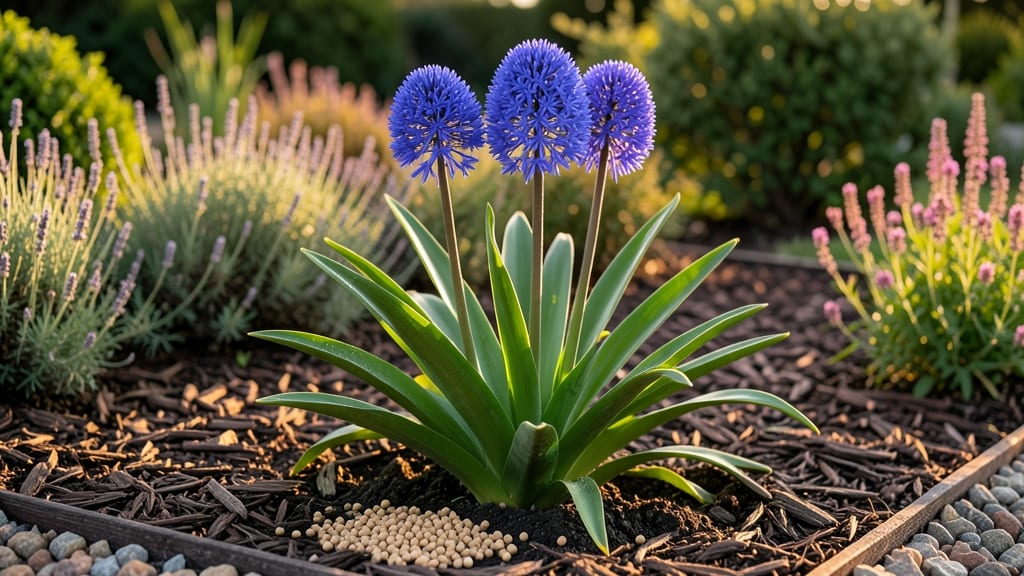
Getting your agapanthus to bloom means cracking the code of sunlight, soil, and patience—trust me, I’ve turned my stubborn clumps from leafy green monsters into flowering stars. 🌸 The key starts with at least 6 hours of direct sun daily, but not scorching afternoon heat, and soil that drains like a dream without drying out like a bone.
Most gardeners miss the soil prep: agapanthus thrives in sandy loam mixed with compost, with a pH between 6.0 and 7.0.
Mine refused to bloom until I amended the heavy clay with perlite and a handful of bone meal—now they reward me with 3-foot spikes of violet-blue blooms every summer. Watering matters too: deep soaks once a week beats frequent light sprinkles.
Pruning after flowering is where the magic happens. I snip back the dead flower stalks and trim any brown or damaged leaves, but I never cut into the fleshy rhizomes—those store energy for next year’s blooms.
With the right care, your agapanthus will start sending up those iconic flower spikes within 2-3 years, and they’ll keep getting showier.
Here’s the plot twist: agapanthus plants need time to mature before they’ll bloom. If yours is still young or struggling, focus on feeding it with a balanced fertilizer in early spring—10-10-10 works—and give it another year.
The payoff? A garden centerpiece that’s drought-tolerant, deer-resistant, and stunning from June through August.
📚 In This Guide
- What you need
- Instructions
- Tips and common mistakes
- Wrapping up and next steps
What you need
- ● Agapanthus plants: Mature, healthy plants (3–5 years old for best blooming potential). Quantity: 1–3 per container or in-ground spot.
- ● Well-draining potting mix: A blend of 50% garden soil, 30% perlite or coarse sand, and 20% compost (for potted plants). Spec: Avoid heavy clay.
- ● Balanced fertilizer: 10-10-10 or 20-20-20 NPK ratio (granular or liquid). Quantity: 1–2 tbsp per plant (granular) or diluted liquid per label instructions.
- ● Slow-release fertilizer: Osmocote or similar (for potted plants). Quantity: 1 cup per 5 gallons of soil.
- ● Pruning shears: Sharp, clean shears (sterilize with rubbing alcohol between cuts).
- ○ Gloves: Gardening gloves (optional but recommended for handling soil and plants).
- ● Watering can or hose: With a gentle spray nozzle (to avoid damaging foliage).
- ● Mulch: Organic mulch (e.g., pine bark or shredded leaves). Quantity: 2–3 inches around the base of plants.
- ● Ph meter or soil test kit: To check soil pH (ideal range: 6.0–7.0).
- ● Epsom salt: For magnesium boost (1 tbsp per gallon of water, applied monthly in growing season).
- ○ Shade cloth: Lightweight (30–50% coverage) for hot climates (optional for afternoon shade).
- ● Plant supports: Stakes or cages (if stems flop in wind or after heavy blooms).
- ● Bloom-boosting supplement: Fish emulsion or seaweed extract (for extra nutrients).
Step-by-step guide to encouraging agapanthus blooms
Agapanthus loves drama—give it the right stage (sun, soil, patience) and it will reward you with bold, reliable blooms every season.
☀️ Step 1: Position for Maximum Sunlight
Agapanthus demands full sun—at least 6-8 hours daily—to set flower buds. I place mine in the southwest corner of my garden where they get morning sun and intense afternoon rays. If your climate has harsh summer sun, provide afternoon shade to prevent leaf scorch, but never less than 6 hours.
Watch for yellowing leaves or drooping flower stalks—these are signs of insufficient light. If your agapanthus is struggling, move it closer to the sun. You’ll see new growth perk up within 2-3 weeks of proper placement.
🌱 Step 2: Amend Soil for Optimal Drainage
Agapanthus roots despise soggy soil. Amend heavy clay or compacted garden beds with 20-30% perlite or coarse sand to improve drainage. I dig in a 2-inch layer of organic matter (compost or well-rotted manure) to enrich the soil without suffocating roots. The goal is a mix that drains quickly but retains moisture—think of it as a sponge that wrings out easily.
Test your soil’s moisture by squeezing a handful. If it holds together like wet clay, add more perlite. If it crumbles instantly, blend in a bit of peat moss to retain moisture. Agapanthus thrives in soil with a pH between 6.5 and 7.5—test your soil and adjust with lime if needed.
💧 Step 3: Water Deeply and Consistently
Deep, infrequent watering encourages strong root growth. Water agapanthus once a week during dry spells, soaking the soil to a depth of 6-8 inches. Let the top 2 inches of soil dry out between waterings—this prevents root rot while keeping the plant hydrated. Overwatering is the #1 killer of agapanthus blooms, so resist the urge to water lightly every day.
You’ll know you’re on track when the leaves stay deep green and firm, not wilted or mushy. If the soil feels damp after 24 hours, you’re overdoing it. Mulch with 2-3 inches of organic mulch (like bark or straw) to retain moisture and regulate soil temperature.
✂️ Step 4: Prune and Fertilize for Next Season’s Blooms
After the first frost, cut back dead or damaged foliage to 2-3 inches above the ground. This clears space for new growth and prevents disease. I also remove any old flower stalks that haven’t died back naturally—this redirects energy to next year’s blooms. Never prune in late summer, as this can delay or prevent flowering.
Feed agapanthus in early spring with a balanced, slow-release fertilizer (10-10-10 or similar). Follow the package instructions, but halve the dose if your soil is already rich. Avoid high-nitrogen fertilizers—they promote leafy growth at the expense of flowers. You’ll see new shoots emerge within 3-4 weeks of fertilizing.
⏰ Step 5: Be Patient and Protect from Stress
Agapanthus often takes 2-3 years to establish and bloom after planting. Don’t rush it—consistent care pays off. Protect young plants from strong winds and extreme temperature swings, which can stress the plant and delay flowering. In colder climates, mulch heavily in winter to insulate roots.
Watch for aphids or spider mites, which can sap energy from the plant. Spray with neem oil if you spot pests, but avoid chemical pesticides—they can harm beneficial insects and disrupt the plant’s natural balance. With the right conditions, your agapanthus will reward you with stunning, long-lasting blooms for years to come.
Tips & tricks for perfect agapanthus blooms
Common pitfalls—and how to sidestep every one when coaxing agapanthus into glorious bloom.
Sunlight Strategy: That 6-8 hours of full sun isn't just a suggestion—it's non-negotiable for flower bud formation. I've seen agapanthus in partial shade put on leafy growth but never bloom. If your garden has afternoon shade, consider moving your plant to a sunnier spot or creating a temporary shade structure during peak sun hours. The key is maintaining those 6 hours minimum, even if you need to get creative with placement. Watch for leaves that yellow at the edges—they're begging for more light!
Soil Science: The 20-30% perlite or coarse sand amendment isn't about making soil "drain better"—it's about creating the right balance. Too much sand makes the soil too fast-draining, while too little perlite leaves water sitting at the roots. I like to think of it as creating a "Goldilocks zone" for moisture—just right, not too wet, not too dry. Test your soil's moisture by squeezing a handful: if it holds together like wet clay, you need more perlite; if it crumbles instantly, blend in peat moss. This balance is what prevents the dreaded root rot while keeping roots hydrated.
Watering Wisdom: The once-a-week deep watering schedule is where most people go wrong. They either water too frequently (leading to soggy roots) or too shallowly (stressing the plant). Here's my trick: use a long screwdriver or soil probe to check moisture at 6-8 inches deep after watering. If it's dry at that depth, it's time to water again. And that 2-inch dry top layer between waterings? It's crucial—it prevents fungal diseases while allowing roots to seek moisture deeper in the soil. Mulching with 2-3 inches of organic material helps maintain this balance by reducing evaporation.
Pruning Precision: When you cut back to 2-3 inches above ground after frost, you're not just cleaning up—you're setting the stage for next year's blooms. I've seen gardeners prune too aggressively in late summer, which can actually prevent flowering. The secret is timing: always wait until after the first frost when the plant is dormant. This gives the plant a clean slate for spring growth while redirecting energy to flower buds rather than maintaining old foliage. And never skip removing those old flower stalks—they're energy vampires that steal nutrients from potential blooms.
Pro Tips for Get Agapanthus To Bloom
- Common pitfalls—and how to sidestep every one when coaxing agapanthus into glorious bloom.
- Sunlight Strategy: That 6-8 hours of full sun isn't just a suggestion—it's non-negotiable for flower bud formation. I...
- Soil Science: The 20-30% perlite or coarse sand amendment isn't about making soil "drain better"—it's about creating ...
Frequently asked questions
Got questions about coaxing those stunning agapanthus blooms? You’re not alone!
Here are answers to the most common concerns—from patience to troubleshooting—so you can enjoy flowers that’ll make your garden the talk of the neighborhood.
Why won’t my agapanthus bloom even after years of growing?
Agapanthus plants often take 3–5 years to mature enough for blooms, but poor care can delay them further. Check for these culprits: not enough sunlight (they need 6+ hours daily), overcrowded roots (divide clumps every 3–4 years), or excess nitrogen (use a balanced fertilizer like 10-10-10 instead of heavy greens-focused feeds). If your plant is healthy but stubborn, it might just need a little more time—or a winter chill to trigger flowering.
How do I know when agapanthus will bloom this year?
Timing depends on your climate and variety, but most agapanthus bloom in late spring to early summer (May–July in most U.S. zones). Look for flower stalks emerging in early spring—they’ll start as tight buds and unfurl over weeks. Pro tip: If your plant hasn’t bloomed by mid-summer, it may need division or a winter dormancy period (even in mild climates, a cool snap helps!).
Can I force agapanthus to bloom indoors?
Agapanthus are not houseplant-friendly and thrive outdoors only. However, you can extend their indoor life by cutting fresh blooms and placing them in water (they last 7–10 days!). For potted agapanthus, ensure they get bright, indirect light and well-draining soil—but expect fewer blooms than outdoor plants. Warning: Indoor agapanthus may struggle with humidity shifts and pests like spider mites.
My agapanthus leaves are yellow—will it still bloom?
Yellow leaves usually signal overwatering or nutrient deficiency, but blooming can still happen if the roots are healthy. Fix it:
- Check soil moisture—agapanthus hate soggy roots. Water only when the top 2 inches are dry.
- Amend soil with compost or a slow-release fertilizer (like bone meal) for potassium, which supports blooms.
- If leaves are crunchy or mushy, prune the damaged parts and improve drainage.
If the plant is otherwise vigorous, it’ll likely rebound—and bloom—as long as it gets full sun and proper care.
Are there any agapanthus varieties that bloom more reliably?
Yes! Some varieties are early bloomers or repeat bloomers, making them better bets for consistent flowers:
- ‘Titanium’ – Large, reliable blooms in late spring.
- ‘Midnight Beauty’ – Dark purple flowers; thrives in heat.
- ‘Black Midnight’ – Nearly black blooms; needs full sun.
- ‘Peter Pan’ – Compact and often blooms earlier than others.
For longer bloom times, choose Agapanthus praecox subspecies—they’re hardier and sometimes rebloom in fall with proper care.
Wrapping up and next steps
Getting your agapanthus to bloom is all about patience, the right care, and a little experimentation! 🌸 With the perfect balance of sunlight, well-draining soil, and proper feeding, you’ll soon be rewarded with stunning clusters of flowers.
Don’t get discouraged—even experienced gardeners tweak their approach until they find what works best for their plants.
Now that you’re armed with these sunlight and soil secrets, why not share your progress with fellow plant lovers? Try documenting your agapanthus’s journey in a garden journal or snap photos of its blooms—you might even inspire others to grow their own! Happy gardening! 🌱