
Blooming
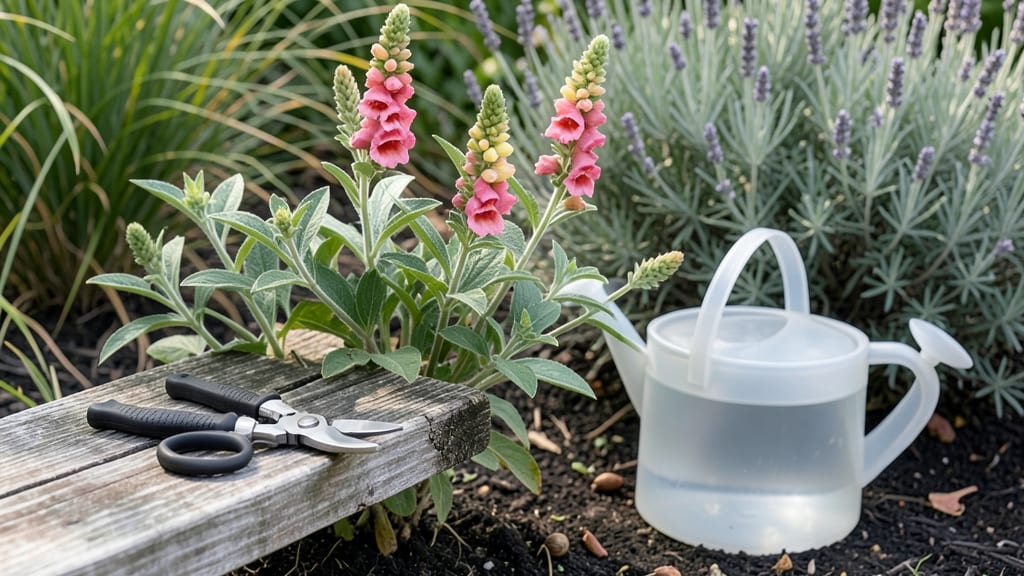
Learn how to cut snapdragons for more blooms—and watch your plants transform from sparse stems into a vibrant, overflowing bush of color with just one simple technique. ✂️ The secret isn’t complicated, but timing and technique make all the difference.
You’ll need just two things: sharp pruning shears and a sunny morning. Grab your tools after a bloom fades—never before—then snip just above the next set of leaves where new buds form.
This tiny cut tells the plant, “Focus energy here, not on seeds!” and triggers a wave of fresh blooms in as little as 10 days.
What you’ll get is snapdragons that keep flowering until frost, with stems packed tight and blooms that last longer. The plants stay bushier, too, so they don’t flop over like overgrown weeds.
Even better? You’ll save money by not needing to buy new plants every season—they’ll reward you with weeks more color for the same effort.
Works for all snapdragon varieties, from towering ‘Black Knight’ to compact ‘Rocket’ types. Here’s how to do it without damaging your plants—and the mistakes that’ll leave you with bare stems instead of blooms.
📚 In This Guide
- What you need
- Instructions
- Tips and common mistakes
- Wrapping up and next steps
What you need
- ● Sharp bypass pruners – Clean, sterilized pruners (e.g., Felco or Fiskars) to make precise cuts without damaging stems.
- ● Garden shears or scissors – For smaller stems or delicate pruning (avoid dull tools that crush stems).
- ● Rubbing alcohol (70% or higher) – For sterilizing tools between cuts to prevent disease.
- ○ Garden gloves – Optional but recommended for protection (nitrile or leather works best).
- ● Permanent marker – To label stems if tracking growth stages.
- ● Water spray bottle – For misting plants before and after pruning (reduces stress).
- ○ Compost or mulch – To replenish soil after pruning (optional but helpful for recovery).
- ● Pruning saw – For thick, woody stems (rare in snapdragons but useful for older plants).
- ● Plant food (balanced fertilizer) – Post-pruning boost (e.g., 10-10-10 or fish emulsion).
- ● Grow lights or shade cloth – If pruning in extreme heat to reduce stress.
- ● Camera or phone – To document progress (track growth before/after!).
Step-by-Step guide to pruning snapdragons for longer blooming seasons
Here’s how to keep your snapdragons flowering like crazy—no fancy tools needed, just sharp eyes and a little timing.
✂️ Step 1: Wait for the Right Moment to Prune
Don’t rush—wait until you see at least 3-4 buds forming on a stem. This tells me the plant has stored enough energy to bounce back strong. If you cut too early, you’ll stunt future blooms. Look for the topmost bud just starting to swell—this is your cue.
Snapdragons bloom from the bottom up, so I always leave the lowest 2-3 open flowers on each stem. These act as a visual guide: when they’re spent, the buds above will be ready. Never cut into a closed bud—you’ll lose that potential bloom forever.
✂️ Step 2: Make Clean Cuts at the Right Spot
Use clean, sharp pruners (or even scissors) and cut just above a leaf node—the little bump where leaves or buds grow. This is where new growth will sprout. If you cut too high, you’ll leave a stub that doesn’t heal; too low, and you risk damaging the leaf.
Angle your cut slightly downward to prevent water from pooling. I like to make the cut at a 45-degree angle, about ¼ inch above the node. This encourages faster regrowth and keeps the plant healthy. Never tear stems—always cut cleanly.
✂️ Step 3: Deadhead Spent Blooms Immediately
As soon as flowers fade and their petals start to drop, snip the entire stem back to the next set of leaves or buds. This prevents the plant from wasting energy on seed production. I do this every 2-3 days during peak bloom—it’s a game-changer for prolonging the season.
Watch for yellowing leaves or stems that feel mushy—these are signs of disease, not just spent blooms. In that case, cut those stems all the way to the base and dispose of them away from your garden. Healthy snapdragons should snap crisply when you pinch them.
☀️ Step 4: Encourage Bushier Growth for More Blooms
After your first pruning, your snapdragons will focus energy on side shoots. To keep them bushy, I pinch back the tips of new growth when they reach 4-5 inches tall. This forces the plant to branch out instead of growing tall and leggy.
Here’s the thing—snapdragons respond best to consistent care. If you see a stem growing too tall without buds, cut it back by half its length. You’ll be surprised how quickly new blooms form from those lower nodes. Just avoid pruning after mid-summer—they need time to set seeds for next year.
🌿 Step 5: Feed and Water for a Strong Recovery
After pruning, give your snapdragons a light feeding with a balanced fertilizer (10-10-10 or similar). This jumpstarts new growth. I mix a teaspoon of fertilizer into 1 gallon of water and apply it at the base. Avoid heavy feeding right before a heatwave—plants need time to absorb nutrients.
Water deeply after pruning to help roots recover. Stick your finger 1 inch into the soil—if it’s dry, give it a good soak. Snapdragons hate soggy roots, so always let the top ½ inch dry out between waterings. You’ll know you’re doing it right when new buds appear within 7-10 days.
Tips & tricks for pruning snapdragons like a pro
These little tricks will transform your snapdragons from occasional bloomers to nonstop flowering powerhouses—no green thumb required.
Bud Counting is Everything: In Step 1, when you're waiting for those 3-4 buds, focus on the topmost bud—it's your golden ticket. I've learned the hard way that cutting too early means fewer blooms later. Pro tip: Snapdragons bloom from bottom to top, so always leave the lowest 2-3 open flowers as your visual guide. When they're spent, the buds above will be ready for action.
The 45-Degree Angle Secret: That precise cut in Step 2 isn't just about looks—it's about survival. Making the cut at a 45-degree angle, about ¼ inch above the node, prevents water from pooling and creates a larger surface area for faster healing. Use clean pruners or even scissors, but never tear stems. I've seen too many gardeners leave ugly stubs that never heal properly.
Deadheading Discipline: The 2-3 day deadheading schedule in Step 3 is non-negotiable during peak bloom. When flowers fade, snip back to the next set of leaves or buds immediately. This prevents energy waste on seed production. I set a phone reminder because I've forgotten more times than I'd like to admit—then watched my plants struggle to produce new blooms.
Seasonal Timing Matters: Avoid pruning after mid-summer—this is when snapdragons need to focus on setting seeds for next year. The 4-5 inch pinch-back in Step 4 works wonders for bushier growth, but timing is everything. I always stop pruning by early August to give my plants time to recover before winter.
Pro Tips for Cut Snapdragons For More Blooms
- These little tricks will transform your snapdragons from occasional bloomers to nonstop flowering powerhouses—no gree...
- Bud Counting is Everything: In Step 1, when you're waiting for those 3-4 buds, focus on the topmost bud—it's your gol...
- The 45-Degree Angle Secret: That precise cut in Step 2 isn't just about looks—it's about survival. Making the cut at ...
Frequently asked questions
How often should I cut snapdragons for more flowers?
Prune snapdragons every 2–4 weeks during their blooming season (spring to fall). Cut spent blooms right after they fade—this redirects energy to new flowers. Avoid over-pruning; let the plant rest between cuts to prevent stress. Consistency is key!
When is the best time of day to cut snapdragons?
Early morning is ideal—between 6–9 AM—when blooms are hydrated and stems are firm. Avoid cutting in scorching heat or late afternoon, as stems may wilt faster. If you must cut later, store blooms in cool water immediately to extend vase life.
What if my snapdragons stop blooming after pruning?
If blooms taper off, check these fixes:
- Light check: Snapdragons need 6+ hours of sunlight daily.
- Water woes: Overhead watering can cause mildew—water at the base.
- Nutrient boost: Feed with a balanced fertilizer (10-10-10) every 4–6 weeks.
- Deadheading delay: If you’ve been lazy, prune aggressively now—but avoid cutting into woody stems.
Can I cut snapdragons in winter for indoor flowers?
Yes! If your snapdragons are perennial in your zone (like in USDA zones 7–10), prune lightly in late fall to shape the plant. For winter blooms, grow them indoors under grow lights (12–14 hours/day) and prune as usual. Just avoid heavy cuts—winter growth is slower!
What if I accidentally cut too much off my snapdragon?
Don’t panic! If you’ve trimmed more than ⅓ of the plant, it may take a few weeks to recover. Reduce watering slightly, keep it in bright (but not scorching) light, and avoid fertilizing until new growth appears. Most snapdragons bounce back—just be patient!
Pro Tip: Label your cuts! If growing multiple colors, use a marker or ribbon to track stems—this keeps your bouquets organized and stress-free.
Wrapping up and next steps
With just a few simple cuts and a little patience, you’ve unlocked the secret to a bountiful snapdragon bloom! Remember: deadheading spent blooms, trimming leggy stems, and feeding your plants are your best friends for a garden bursting with color. 🌸
Ready to put your new skills to work? Grab those shears and watch your snapdragons thrive—your future blooms will thank you! For extra inspiration, check out our guide on extending your snapdragon season.