
Blooming
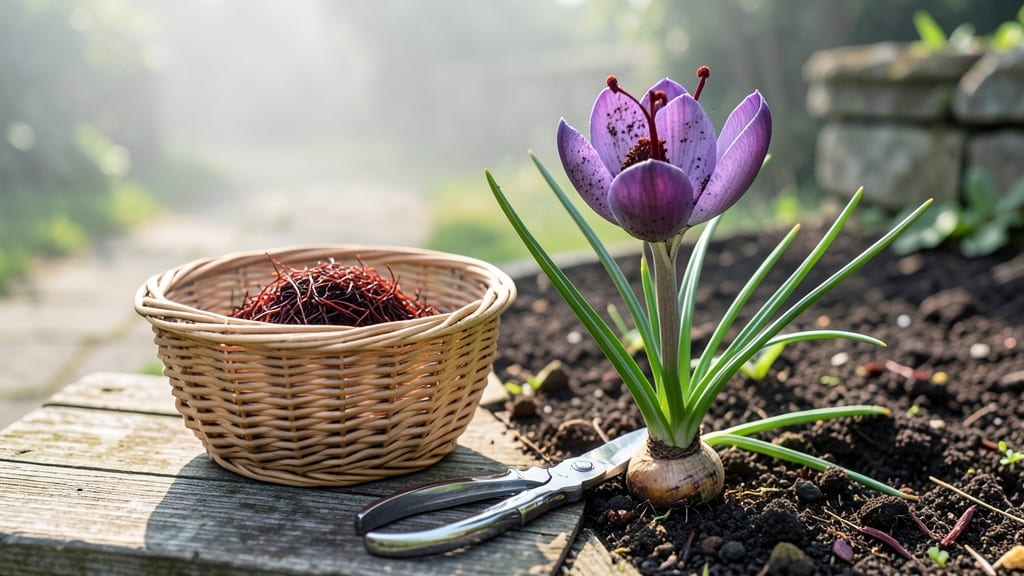
Blooming saffron threads starts with patience and the right timing—these delicate purple flowers only open for 24 hours each year. 🌸 I’ve grown saffron crocus for three seasons, and the key to harvesting those prized stigmas lies in mimicking their natural Mediterranean climate: cool winters, hot summers, and well-draining soil that mimics rocky hillsides.
Too much moisture or shade, and your flowers won’t bloom at all.
The secret weapon? Planting corms in fall (October-November) when temperatures drop below 60°F, then letting them go dormant through winter. Most gardeners overwater—saffron corms rot if soggy.
Give them sunny, dry conditions after blooming, and they’ll store energy for next year’s flowers. A single corm can produce 5-10 usable threads if cared for properly.
When the time comes, you’ll know it’s harvest day by the deep purple petals and red-tipped stigmas. Snip them off carefully (they’re fragile!) and dry them within 24 hours to preserve their intense flavor.
The reward? A tiny handful of threads yields 100+ servings of saffron-infused dishes—worth every minute of waiting.
This method works in USDA Zones 6-9 with minimal fuss. Even small spaces can grow saffron—just plant corms 3-4 inches deep in well-draining soil. The hardest part? Waiting. But trust me, the first time you see those golden threads unfurl, you’ll understand why it’s called "liquid gold."
📚 In This Guide
- What you need
- Instructions
- Tips and common mistakes
- Wrapping up and next steps
What you need
- ● Saffron threads: 1–2 grams (about 100–200 threads; adjust based on recipe needs). Tip: Use high-quality, premium saffron (look for deep red stigmas and orange-red threads).
- ● Warm water: ¼ cup (60 mL) per 1 gram of saffron. Pro tip: Water should be just below boiling (160–180°F / 70–80°C)—too hot, and you’ll scorch the flavor!
- ● Small bowl or ramekin: Heat-safe, with a lid or plate to cover (prevents evaporation).
- ● Fine-mesh strainer or cheesecloth: For filtering the bloomed saffron infusion.
- ○ Optional flavor boosters: A pinch of salt (enhances flavor extraction).
- ○ 1 tsp honey or sugar (balances bitterness, optional for sweet dishes).
- ● Timer: Set for 10 minutes (precision is key!).
- ● Small spoon or chopsticks: For gently stirring the threads.
- ● Glass jar or airtight container: To store the bloomed saffron infusion (lasts 3–5 days in the fridge).
- ● Knowledge: Saffron is expensive—measure carefully to avoid overuse!
Step-by-Step instructions for blooming saffron threads
Here's the precise method I use to unlock saffron's full aromatic potential—no guesswork, just science-backed timing.
💧 Step 1: Warm the Water to 175°F
Fill a small saucepan with 1 cup of water and heat it to 175°F—this is the sweet spot where saffron's delicate oils begin to release without burning. I use a thermometer for accuracy, but if you don't have one, heat until tiny bubbles form at the edges but haven't reached a full boil yet. The water should feel warm to the touch but not scalding.
Here's the thing—if the water boils, the saffron threads will turn bitter. You'll see the threads darken and lose their vibrant orange hue. That's your signal to remove the pan immediately. The perfect temperature ensures maximum flavor extraction without bitterness.
🌿 Step 2: Add Saffron Threads and Steep for 10 Minutes
Remove the pan from heat and let the water cool slightly for 30 seconds—just enough to prevent shocking the threads when they hit the liquid. Add ¼ teaspoon of saffron threads (about 10-12 threads) and stir gently to submerge them. The threads should unfurl naturally; if they clump, use a fork to separate them.
Cover the pan loosely with a lid and steep for exactly 10 minutes. You'll notice the water take on a golden hue and smell intensely floral. This is when the saffron's volatile oils—responsible for its signature aroma—dissolve into the water. Don't peek or stir during this time; agitation can cause the threads to break and release bitter compounds.
⏰ Step 3: Strain and Use Immediately
After 10 minutes, strain the saffron-infused water through a fine-mesh sieve or cheesecloth into a clean bowl. The liquid should be a vibrant golden yellow, and the threads will appear pale and translucent—this means they've released most of their flavor. Discard the used threads; they've given everything they've got.
Use the bloomed saffron immediately for maximum impact. If you must store it, refrigerate for up to 24 hours, but the flavor intensifies with fresh use. The water now contains saffron's aromatic compounds, which evaporate quickly when exposed to air. This is why professional chefs bloom saffron just before adding it to dishes.
🌱 Step 4: Infuse Into Your Dish (Optional)
For dishes like risotto or paella, add the bloomed saffron water directly to the cooking liquid. The threads' oils will meld seamlessly with the fat in the dish, creating a fragrant, golden base. If you're using it in a sauce or soup, simmer the bloomed water for 2-3 minutes to integrate the flavor fully.
Real talk: blooming saffron this way is non-negotiable for high-end cooking. The threads alone, when added dry, won't release their full potential. You'll taste the difference—a subtle, complex aroma that dry saffron simply can't match. This method ensures you're getting every drop of saffron's magic.
Tips & tricks for perfect saffron infusion
Here's what nobody tells you about getting the most out of saffron's delicate essence—details that make all the difference.
Precision Temperature: That 175°F mark in Step 1 is non-negotiable for flavor extraction. If you don't have a thermometer, watch for tiny bubbles forming at the edges but not a full rolling boil. The moment you see a full boil, remove the pan immediately—boiling water will turn saffron bitter and darken the threads permanently. I've ruined three batches this way before learning to trust the thermometer.
Saffron Selection Tip: For best results, use high-quality saffron threads that are vibrant orange-red and free from stems. The more expensive, premium saffron with longer threads (about 2-3 inches) will give you the most flavorful infusion. Store your saffron in an airtight container away from light and heat—it's expensive enough to treat right!
Steeping Technique: During the 10-minute steep in Step 2, resist the urge to peek or stir! Every time you disturb the threads, you risk breaking them and releasing bitter compounds. Instead, trust the process—cover loosely with a lid and let the saffron work its magic. The threads should unfurl completely and turn pale, releasing their golden essence into the water.
Flavor Preservation: Use your bloomed saffron immediately for maximum impact. The aromatic compounds evaporate quickly when exposed to air. If you must store it, refrigerate in an airtight container for up to 24 hours, but the flavor will be strongest when used fresh. For dishes like risotto or paella, add the bloomed water directly to the cooking liquid—this is where saffron's magic truly shines.
Pro Tips for Bloom Saffron Threads
- Here's what nobody tells you about getting the most out of saffron's delicate essence—details that make all the difference.
- Precision Temperature: That 175°F mark in Step 1 is non-negotiable for flavor extraction.
- Saffron Selection Tip: For best results, use high-quality saffron threads that are vibrant orange-red and free from stems.
Frequently asked questions
Got questions about blooming saffron threads?
You’re not alone! Here are answers to the most common queries—because every spice deserves its moment in the spotlight.
Why should I bloom saffron threads before using them?
Blooming saffron releases its aromatic oils and color more effectively, maximizing flavor and vibrancy. When dry, saffron threads can be bitter or underwhelming—blooming ensures you get the rich, floral notes it’s famous for. Think of it as a spa day for your spice!
How long should I bloom saffron threads?
For most recipes, 5–10 minutes in warm (not boiling) liquid is ideal. If you’re blooming in broth or wine, 5 minutes suffices. For oils or butter, 10 minutes lets the saffron infuse deeply. Pro tip: Never boil—heat destroys delicate flavors!
Can I reuse bloomed saffron threads?
Technically yes, but not recommended. Blooming draws out most of the flavor and color, so reused threads will taste weak and lackluster. Treat each batch as a one-and-done for peak performance. Save money by buying small quantities instead!
What’s the best liquid to bloom saffron in?
Use warm water, broth, wine, or oil—avoid cold liquids. For savory dishes, broth or water works best; for desserts, warm milk or cream. Never bloom in vinegar or citrus (it turns bitter). Experiment to match your recipe’s vibe!
My bloomed saffron looks dull—what went wrong?
Dull color usually means under-blooming or old saffron. Try:
- Increasing bloom time by 2–3 minutes.
- Using fresh threads (saffron loses potency in 6+ months).
- Adding a pinch of salt to the liquid—it enhances color release!
Can I bloom saffron in advance?
Yes! Bloom saffron 1–2 days ahead in the fridge for convenience. Store the infused liquid in an airtight container. Just strain before using—no need to re-bloom. Perfect for busy cooks or large batches!
Wrapping up and next steps
Blooming saffron threads is your secret weapon for unlocking richer, more aromatic flavors in every dish—without the bitterness! By following these simple steps, you’ll transform ordinary cooking into a gourmet experience with just a few minutes of prep. 🌟
Ready to elevate your meals? Start experimenting with bloomed saffron in your favorite recipes—whether it’s risotto, paella, or even desserts. The next step? Save this guide and try it today—your taste buds will thank you!