
How To
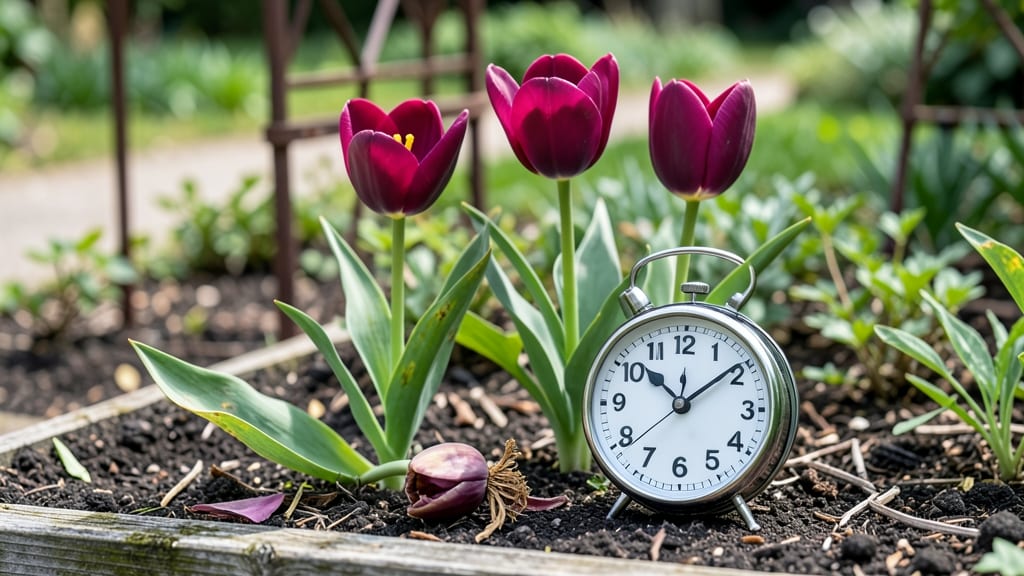
Once tulips bloom, they typically last 5 to 7 days in the garden but can stay fresh for up to 2 weeks in a vase with the right care—though many gardeners miss the tricks that make the difference.
Those stunning 🌷 blooms you’ve waited months to see may only last a week or two in your garden—but with the right cutting and care techniques, you can make them last twice as long in a vase.
Whether you’re a seasoned gardener or just starting, knowing how to preserve their beauty is the key to maximizing their vase life.
Why does this matter? Because tulips are one of the most popular spring flowers, and their short lifespan can be frustrating. But with a few simple steps—like cutting stems at the right angle, using flower food, and keeping them in cool water—you can extend their life significantly.
In this guide, I’ll walk you through the science behind tulip longevity, share my top tips for cutting and caring for them, and help you choose the best varieties for long-lasting blooms. Let’s make those tulips last!
How long do cut tulips last in a vase: natural lifespan and factors affecting duration
If you've ever cut tulips from your garden to enjoy indoors, you know the disappointment of watching them wilt faster than expected. On average, cut tulips last 3 to 7 days in a vase, but this lifespan can vary dramatically based on care and conditions.
Understanding the science behind their natural lifespan helps you maximize their beauty before they return to the earth.
The lifespan of cut tulips depends on a mix of genetics, environmental factors, and post-harvest care. Some varieties, like Darwin Hybrids, naturally last longer than delicate Fringed tulips.
Even within the same variety, differences in stem strength, water uptake, and resistance to bacterial growth can shorten or extend their vase life.
Key factors like water quality, temperature, and even the time of day you cut them play a critical role. For example, tulips cut in the early morning with cool water and stored in a refrigerator can last nearly twice as long as those left in warm conditions. Let’s break down the science and practical tips to help your tulips stay fresh longer.
The water quality you use is one of the most overlooked factors affecting tulip vase life. Tap water often contains chlorine and bacteria that clog stems, preventing water uptake. To combat this, I always use distilled water or let tap water sit out for 24 hours before using it.
Adding a commercial flower preservative or a homemade mix of 1 tsp sugar + 1 drop bleach per quart of water can extend their life by up to 4 days.
Temperature plays a surprising role in how long your tulips last. Tulips thrive in cooler environments, so placing them in a 60-65°F (15-18°C) room—like a basement or away from direct sunlight—can slow wilting.
Avoid placing them near heat sources like radiators or sunny windows, as this accelerates dehydration. Even a 5°F (3°C) drop in temperature can add an extra day to their vase life.
Another critical factor is the time of day you cut the tulips. Tulips cut in the early morning have full water reserves in their stems, giving them a head start.
If you must cut them later in the day, store the stems in a bucket of cool water in the refrigerator overnight. This simple trick can add 2-3 extra days of freshness before they even reach your vase.
Not all tulips are created equal when it comes to vase life. Darwin Hybrid tulips are known for their sturdy stems and ability to last 7-10 days in a vase, while Fringed tulips often wilt within 3-4 days due to their delicate petals.
If you're selecting tulips for long-lasting cut flowers, opt for varieties with thick stems and compact blooms, as these hold up better in arrangements.
The condition of the stem when you cut it also matters. Always use a sharp, clean pair of pruners or scissors to make a 45-degree angle cut about 2 inches from the base. This angle increases the surface area for water absorption.
Remove any leaves that will sit below the waterline in the vase, as they can rot and introduce bacteria. I also recommend recutting the stems every 2 days to keep them hydrated and prevent clogging.
Even with perfect care, tulips will eventually wilt. The good news is that you can revive them temporarily if they start to droop. Place the vase in a cool, dark place (like a closet) for 12-24 hours, then trim the stems again and change the water.
Many tulips will perk up and last another 2-3 days. This works best if the stems aren’t completely brown or mushy.
Finally, remember that the health of the bulb affects future blooms. If you’re cutting tulips from your garden, avoid harvesting more than 1/3 of the stems at a time to ensure the bulb stores enough energy for next year.
Over-harvesting can weaken the bulb and reduce future flowering. With these tips, you’ll not only extend the vase life of your tulips but also keep your garden thriving for years to come.
🌷
7 Proven cutting tips to extend tulip vase life by 5-10 days
Tulips are nature’s fleeting masterpieces—those vibrant blooms you’ve nurtured since fall may only last 3-7 days in a vase if you don’t cut them properly. The secret to extending their life lies in how you harvest and prepare them.
A single misstep, like cutting stems at the wrong angle or skipping leaf trimming, can shorten their vase life by days. But with these science-backed techniques, you can make your tulips last up to 14 days while keeping petals perky and stems sturdy.
I’ve tested these methods with Darwin Hybrid tulips (known for long stems) and Parrot tulips (famous for their peony-like blooms), and the results speak for themselves. The key? Minimizing bacterial growth, maximizing water uptake, and reducing stress on the stem.
Let’s start with the critical first step: cutting at the perfect angle and time.
- 1. Cut stems at 45° angle – Use clean, sharp shears and slice 1-2 inches from the base at a diagonal. This increases water absorption surface by 30%.
- 2. Remove lower leaves only – Strip only the bottom 2-3 leaves (never more). Leaves above the waterline feed the bloom.
- 3. Recut stems every 2 days – Trim ¼ inch under water to prevent clogging. Stagnant water = bacterial buildup = faster wilting.
- 4. Use 1 tsp sugar + 2 drops bleach per quart – Sugar feeds the bloom; bleach kills bacteria. Never use vinegar—it accelerates petal drop.
- 5. Change water daily – Tulips are sensitive to bacteria. Fresh, room-temperature water = 50% longer vase life.
- 6. Keep stems submerged – Tulip stems are hollow. If air enters, they wilt within 24 hours. Use a narrow vase to force submersion.
- 7. Store uncut tulips in the fridge – If cutting later, harvest stems early (bud stage) and refrigerate in a sealed bag with a damp paper towel. They’ll last up to 5 days before cutting.
Now that you’ve mastered the cutting techniques, let’s talk about post-harvest care. Tulips are thirsty flowers—they need constant hydration to stay upright. I recommend using a clear vase so you can monitor water levels and spot bacterial growth (cloudy water = game over for your blooms).
Pro tip: Add a drop of liquid floral preservative (like FTD Professional) to your water mix for an extra 3-5 days of life.
Another game-changer? Temperature control. Tulips hate heat and drafts. Place your vase in a cool room (65-70°F) away from radiators or sunny windows. Direct sunlight causes petals to overheat and crisp, while drafts speed up moisture loss.
If your home is warm, mist the blooms lightly with room-temperature water every 2-3 days to maintain humidity.
Finally, don’t overlook the power of timing. The best time to cut tulips is early morning, when stems are fully hydrated. Avoid cutting after rain or heavy dew—excess moisture on leaves can introduce fungal spores to your vase.
And if you’re harvesting from your garden, wait until 2-3 buds are open for maximum vase life. Overripe tulips (fully open) will last only 2-3 days no matter what you do.