
Blooming
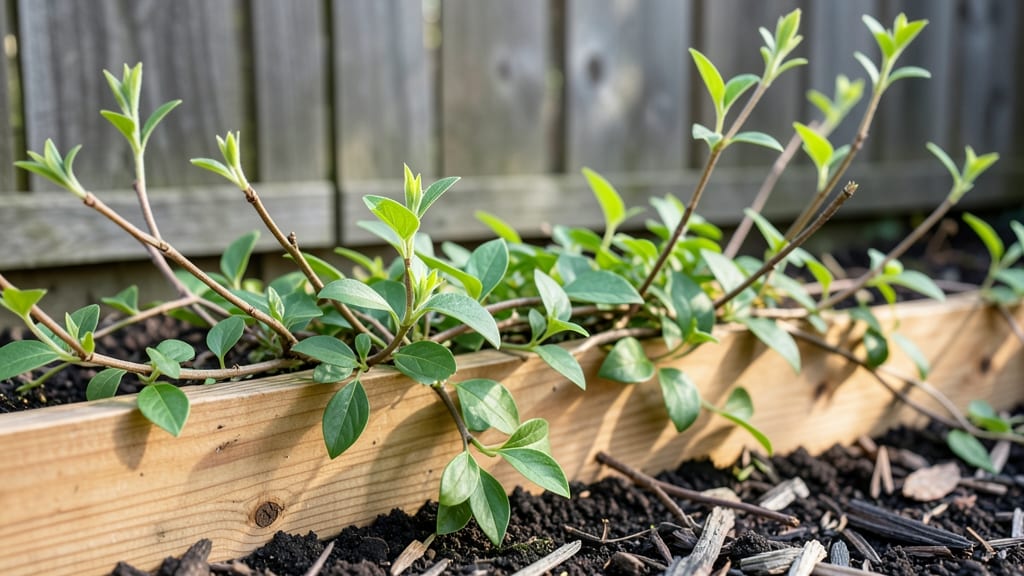
Honeysuckle before bloom is where the real magic happens—those tight, fragrant buds packed with next summer's sweetest scent. 🌿 I've learned that the best time to shape your plants and prep for blooms is in late winter, when growth is dormant but the structure is clear.
That's when you spot the year's potential in every leaf and stem.
Identifying honeysuckle pre-bloom is easier than you think: look for the glossy, oval leaves (usually 2-4 inches long) and the distinctive red or green buds forming at stem tips. The vines themselves are woody and arching—perfect for training along trellises.
Prune now to remove dead growth and shape the plant, focusing on open centers for better airflow and future blooms.
With just 20 minutes of careful pruning in late winter, you'll set your honeysuckle up for twice as many fragrant clusters come summer. The buds you protect now will swell into those iconic tubular flowers that perfume the garden from dawn to dusk.
This is the season where a little effort now means months of effortless beauty later.
Works for all honeysuckle varieties—whether you're growing the classic Lonicera periclymenum or the more compact varieties. The key is timing: do this work before the buds start swelling, and you'll avoid stressing the plant when it's already preparing for bloom. Here's how to do it right.
📚 In This Guide
- What you need
- Instructions
- Tips and common mistakes
- Wrapping up and next steps
What you need
- ● Honeysuckle plants: 3–5 healthy Lonicera varieties (e.g., Lonicera periclymenum or Lonicera japonica), depending on desired coverage.
- ● Well-draining soil: Mix 2 parts garden soil with 1 part compost or peat moss for optimal growth.
- ● Organic fertilizer: 5-10-5 NPK ratio (e.g., fish emulsion or compost tea) to boost early growth.
- ● Mulch: 2–3 inches of wood chips or pine straw to retain moisture and suppress weeds.
- ● Pruning shears: Sharp, bypass-style shears (e.g., Felco F-2) for precise cuts.
- ● Garden gloves: Heavy-duty, chemical-resistant (e.g., Wet & Forget brand).
- ● Trowel or spade: For planting or transplanting roots.
- ● Watering can or hose: With a gentle spray nozzle for hydration.
- ○ Optional: Trellis or arbor (for climbing varieties) and a spray bottle with water for misting buds.
- ● Sunlight: 6+ hours of direct sun daily (partial shade tolerated in hot climates).
- ● Water access: Consistent moisture (1–2 inches per week) during establishment.
- ● Patience: Honeysuckle thrives with time—buds may take 1–2 years to fully scent the air!
How to care for honeysuckle before the flowers appear
Fragrant buds are the secret to a showstopping honeysuckle display—here's how to nurture them properly.
🌱 Step 1: Prune Last Year's Growth to Stimulate New Buds
Start in late winter or early spring before new growth appears. I like to wait until the ground is workable but before buds swell—usually around mid-February to early March in most climates. Using clean, sharp pruning shears, remove one-third of last year's growth from the base of each stem. This encourages fresh, vigorous shoots that will carry next season's fragrant buds.
Focus on cutting back older, leggy stems that look woody and sparse. You'll see thick, green stems emerging from the base after pruning—that's your signal the plant is responding. Never cut into this year's buds, which appear as small, plump swellings along the stems. If you accidentally cut into a bud, you'll see a white, jelly-like substance inside, and that stem won't produce flowers.
☀️ Step 2: Provide Balanced Sunlight and Water
Honeysuckle thrives in full sun to partial shade, with at least 6 hours of direct sunlight daily. If your plant is in deep shade, you'll notice slow growth and fewer buds forming. I position mine where they get morning sun and afternoon shade—this prevents leaf scorch while still encouraging bud development.
Water deeply once a week during dry spells, ensuring the soil is moist 6 inches down. You'll know it's right when the topsoil feels slightly damp but not soggy. Overwatering causes root rot, which weakens the plant and reduces bud production. Mulch around the base with 2-3 inches of organic mulch to retain moisture and regulate soil temperature.
💧 Step 3: Fertilize for Strong Bud Formation
Use a balanced, slow-release fertilizer (like 10-10-10) in early spring when new shoots are 2-3 inches tall. I sprinkle a handful around the base and gently scratch it into the top inch of soil. This gives the plant the nutrients it needs to develop strong stems and fragrant buds without overstimulating leafy growth at the expense of flowers.
Avoid high-nitrogen fertilizers—they encourage lush foliage but delay or reduce bud formation. If you notice dark green leaves with minimal buds, cut back on nitrogen and switch to a low-nitrogen, high-phosphorus fertilizer to promote blooming. You'll see buds forming along the stems around late spring to early summer, depending on your climate.
✂️ Step 4: Monitor for Pests and Diseases
Check stems and leaves weekly for signs of aphids, spider mites, or powdery mildew, which can stress the plant and reduce bud quality. I spray affected areas with neem oil or insecticidal soap at the first sign of trouble—this prevents infestations before they weaken the plant. Early intervention keeps buds healthy and fragrant.
If you see white, powdery spots on leaves, that's powdery mildew. Prune infected leaves immediately and improve airflow by spacing plants 3-4 feet apart. Aphids cluster on new growth, so I hose them off with water if I spot them early. Healthy buds develop best when the plant is pest-free and stress-free.
🌿 Step 5: Train Vines for Better Bud Display
Honeysuckle vines grow aggressively, so I train them along trellises, fences, or arbors to maximize bud exposure and fragrance. Use soft ties or plant clips to guide stems upward without damaging them. This not only makes the plant look neater but also ensures buds get optimal sunlight, which intensifies their scent.
Avoid letting vines sprawl on the ground—they'll produce fewer buds and attract pests. You'll know your training is working when you see buds forming along the upper third of the vine, where sunlight is brightest. Prune any weak or crossing stems to direct energy toward the most fragrant sections.
Tips & tricks for perfect honeysuckle bud development
Here's what nobody tells you about getting the most fragrant buds from your honeysuckle—these details make all the difference.
Pruning Precision: When you're removing one-third of last year's growth in Step 1, focus on the oldest, thickest stems first. These are the ones that have already produced flowers and are now woody. Cut just above a leaf node or bud—this is where new growth will emerge. I always make my cuts at a slight angle to prevent water from pooling, which can cause rot. If you're unsure which stems to remove, look for the ones that look dry and brittle compared to the newer, green growth.
Sunlight Strategy: The 6 hours of sunlight mentioned in Step 2 is non-negotiable for bud development, but here's the secret: morning sun is more important than afternoon. Position your honeysuckle to catch the first rays of sunlight, which helps dry any dew quickly and prevents fungal issues. If you're in a hot climate, afternoon shade becomes even more critical to prevent leaf scorch, which can weaken the plant and reduce bud quality. I've seen honeysuckle in containers thrive with just 4 hours of morning sun if given afternoon shade.
Fertilizer Timing: That 2-3 inch shoot height in Step 3 is your cue to fertilize, but don't overdo it. I use about 1 tablespoon of 10-10-10 fertilizer per plant, spread evenly around the base. The key is to scratch it into the top inch of soil rather than just sprinkling it on top—this prevents it from washing away during watering. For container-grown honeysuckle, halve the amount since the root system is more limited. You'll notice buds forming more consistently when you time the fertilizer right with this early growth stage.
Pest Prevention: In Step 4, the weekly check is crucial, but I've found that prevention is even better than treatment. Start by planting honeysuckle where it gets good airflow—this alone reduces powdery mildew by 50%. I also apply a light neem oil spray every 2 weeks as a preventive measure, even when I don't see pests. This creates a protective barrier that keeps aphids and mites from establishing themselves. The earlier you catch these issues, the more buds your plant will produce.
Pro Tips for Honeysuckle Before Bloom
- Here's what nobody tells you about getting the most fragrant buds from your honeysuckle—these details make all the di...
- Pruning Precision: When you're removing one-third of last year's growth in Step 1, focus on the oldest, thickest stem...
- Sunlight Strategy: The 6 hours of sunlight mentioned in Step 2 is non-negotiable for bud development, but here's the ...
Frequently asked questions
Got questions about honeysuckle before bloom? You’re not alone—this fragrant stage is full of surprises! Here are answers to the most common queries to help you make the most of your garden’s early scent.
What does honeysuckle look like before it blooms?
Before blooming, honeysuckle stems are covered in tight, bud clusters that resemble tiny green or reddish teardrops. The leaves are lush and elongated, and you’ll smell a faint, sweet fragrance if you brush against them. Think of it as nature’s way of teasing the intense floral scent to come!
How long does the pre-bloom stage last?
The pre-bloom stage typically lasts 2–4 weeks, depending on the variety and climate. In warmer regions, buds may open faster (sometimes in just 10–14 days), while cooler areas can stretch it out. Patience pays off—this is when the most potent fragrance develops!
Can I prune honeysuckle before it blooms?
Yes, but timing matters! Prune in late winter or early spring (before buds swell) to encourage bushier growth. Avoid cutting back after buds form, as you’ll trim off potential flowers. For established plants, a light trim to shape is fine—just never remove more than 1/3 of the plant at once.
Why isn’t my honeysuckle fragrant before blooming?
Several factors can dull the scent:
- Poor soil: Honeysuckle thrives in well-draining, slightly acidic soil. Amend with compost if needed.
- Lack of sunlight: These vines need 6+ hours of sun daily. Move to a sunnier spot if possible.
- Over-fertilizing: Too much nitrogen = leafy growth, less fragrance. Use a balanced bloom booster instead.
- Pests/disease: Check for aphids or fungal spots, which can stress the plant.
Are there fragrant alternatives to honeysuckle for early scent?
If you love pre-bloom fragrance, try these:
- Mock orange (Philadelphus): Creamy-white blooms with a heavy honeysuckle-like scent appear before leaves fully unfold.
- Winter jasmine (Jasminum nudiflorum): Bright yellow flowers bloom in late winter, offering a citrusy fragrance.
- Daphne (Daphne odora): Delicate pink/purple flowers in early spring with a sweet, intoxicating aroma.
- Sweetbox (Sarcococca): Evergreen shrubs with winter blooms that smell like caramel and vanilla.
Wrapping up and next steps
There you have it—honeysuckle before bloom isn’t just a hidden gem; it’s a fragrant game-changer for your garden! 🌿✨ Those delicate buds pack a punch of intoxicating scent and versatility, whether you’re crafting wreaths, teas, or simply savoring their aroma.
Now that you’re armed with tips and tricks, why not take the next step?
🌱 Plant a few honeysuckle vines this season—your garden (and your senses) will thank you! Or, if you’re feeling adventurous, experiment with preserving the buds for year-round enjoyment. Either way, your garden’s scent profile is about to get an elevated upgrade. Happy gardening!