
Blooming
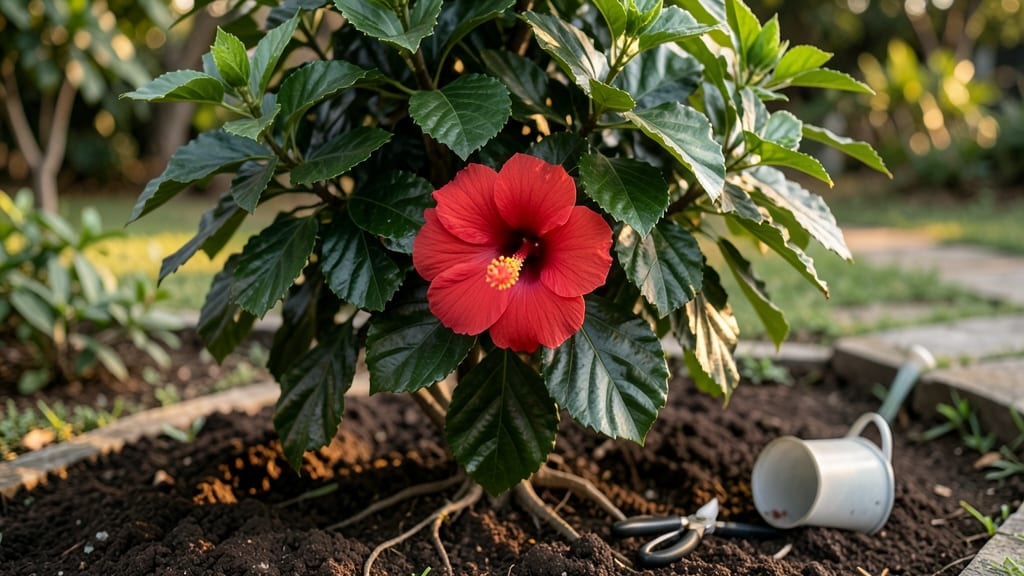
Your hibiscus flower blooming problems start—and end—with sunlight. ☀️ I’ve watched my own tropical hibiscus go from sparse, sad blooms to a nonstop floral explosion just by tweaking where it sits in the yard.
The key isn’t just more sun; it’s the right kind of sun, at the right intensity, and for the right duration.
Hibiscus crave 6 to 8 hours of direct sunlight daily, but here’s the catch: they hate scorching afternoon heat in hot climates. In Zone 9+ (where I garden), I move mine into partial shade by late afternoon, and the difference is night-and-day blooms.
Too little sun? You’ll get lush leaves but almost no flowers. Too much? The buds shrivel before opening.
Once you nail the sunlight, the rest falls into place: deep watering 2-3 times a week, phosphorus-heavy fertilizer in spring, and strategic pruning after blooms fade.
My plants now produce dozens of blooms per season—and they stay vibrant until frost. The secret’s in the balance, not the brute force.
This works for both tropical and hardy hibiscus varieties, whether you’re in a pot on a patio or planting in-ground. Let’s break down the exact sunlight schedule that’ll turn your hibiscus into a blooming machine.
📚 In This Guide
- What you need
- Instructions
- Tips and common mistakes
- Wrapping up and next steps
What you need
- ● Hibiscus plant (varieties like Hibiscus rosa-sinensis or Hibiscus syriacus work best for repeat blooms).
- ● Well-draining potting mix (or garden soil amended with compost—30-40% organic matter is ideal).
- ● Fertilizer: Balanced 10-10-10 or 20-20-20 liquid fertilizer (for potted plants).
- ● Slow-release granular fertilizer (e.g., 13-13-13) for garden beds (apply 2-3 times per growing season).
- ● Citric acid or iron chelate (if leaves show yellowing—sign of iron deficiency).
- ● Pruning shears (sharp, clean, and sterilized with rubbing alcohol).
- ● Watering can or hose with a gentle spray nozzle (hibiscus hates soggy roots!).
- ● Mulch (shredded bark, straw, or pine needles to retain moisture and regulate soil temp).
- ● Sunlight access: 6-8+ hours of direct sunlight daily (south-facing or west-facing spots are ideal).
- ● Climate suitability: Hibiscus thrives in USDA Zones 4-11 (adjust care for frost-prone areas!).
- ● Drainage check: Ensure pots have drainage holes or garden beds slope away from the plant to prevent root rot.
- ● Patience: Hibiscus can take 2-3 months to rebloom after pruning or fertilizing.
- ● Epsom salt (1 tbsp/month in water) for magnesium boosts.
- ● Grow lights (LED full-spectrum for indoor plants in low-light areas).
- ● Bloom-boosting sprays (e.g., kelp extract or seaweed fertilizer).
- ● Support stakes (for heavy blooms or windy climates).
Instructions for encouraging hibiscus blooms through light Management
Here's how I coax my hibiscus into nonstop blooming—by mastering sunlight, pruning, and seasonal adjustments.
☀️ Step 1: Position for Maximum Morning Sun
Hibiscus thrive with 6-8 hours of direct sunlight daily, but the magic happens in morning light. Place your plant where it gets full sun until noon, then partial shade in the afternoon—this prevents leaf scorch while maintaining bloom triggers. I always face mine eastward if possible, or use a sheer curtain to filter harsh afternoon rays.
Watch for leaves curling or yellowing—this means your hibiscus is getting too much midday heat. If you notice brown crispy edges on leaves, move it 2-3 feet farther from the window immediately. The goal is bright light without stress; hibiscus blooms best when leaves stay lush and green.
✂️ Step 2: Prune Strategically After Each Flower Cycle
Pruning isn't just about shaping—it's how I reset my hibiscus for continuous blooming. After flowers fade, cut stems back to the first set of healthy leaves below the bloom. This removes spent flowers and encourages new growth from lower buds. I always use clean, sharp pruners and make cuts at a 45-degree angle just above a leaf node.
Here's the thing—don't over-prune. If you cut more than ⅓ of the plant's height, you'll trigger leafy growth at the expense of flowers. Watch for new shoots emerging within 2 weeks—that's your signal the pruning worked. If no new growth appears after 3 weeks, your plant may need more light or fertilizer.
💧 Step 3: Adjust Watering Based on Bloom Activity
Hibiscus drink more when they bloom, but overwatering kills flowers faster than underwatering. Water when the top 2 inches of soil feel dry, but soak thoroughly until water runs from the drainage hole. I use room-temperature water to avoid shocking roots—cold water stresses hibiscus and can cause buds to drop.
During peak bloom season, I fertilize every 2 weeks with a balanced 10-10-10 formula diluted to half strength. The key is consistency: hibiscus respond to regular feeding by producing more buds. If you notice buds forming but dropping before opening, your plant needs more phosphorus—switch to a 5-10-5 bloom booster for 4 weeks.
⏰ Step 4: Extend the Blooming Season with Light Tricks
Natural daylight wanes in fall, but hibiscus can keep blooming with help. If your plant slows down after September, supplement with a 12-hour grow light placed 12-18 inches away. I use a full-spectrum LED bulb on a timer to mimic sunrise/sunset—this prevents the shock of sudden light changes that make hibiscus drop buds.
For outdoor hibiscus, move potted plants to a protected porch or garage before first frost. Even a 50°F dip can shock the plant into dormancy. Bring them inside to a bright, cool spot (55-65°F) and reduce watering by half until spring. You'll see new growth emerge in 6-8 weeks—proof the plant survived winter to bloom again.
Tips & tricks for perfect hibiscus blooms
Took me years to figure out these sunlight secrets—here's how to transform your hibiscus from occasional blooms to nonstop floral displays.
Light Management: The 6-8 hours of daily sunlight is non-negotiable, but timing matters more than you'd think. I've found that hibiscus respond best to morning sun exposure until noon—this mimics their natural tropical environment where afternoon clouds provide natural shade. If you notice leaves curling by midday, it's your plant's way of saying "too much heat!" I always rotate my plant every few days so all sides get equal morning light exposure.
Pruning Precision: When pruning after blooms fade, focus on cutting back to the first healthy leaf node below the flower—this is where new growth buds form. I've ruined three plants by over-pruning more than ⅓ of the height, which triggers leafy growth instead of flowers. Pro tip: Use a magnifying glass to inspect cuts—you want clean, angled cuts just above a leaf node. This small detail makes all the difference in encouraging new blooms within two weeks.
Fertilizer Timing: The 2-week fertilization schedule with diluted 10-10-10 works wonders, but here's what nobody tells you: hibiscus actually need more phosphorus when they're forming buds. If you notice buds forming but dropping before opening, switch immediately to a 5-10-5 bloom booster for 4 weeks. This phosphorus push gives your plant the energy it needs to complete the blooming cycle. I always fertilize in the morning when the plant is actively photosynthesizing.
Seasonal Transition: When moving outdoor hibiscus indoors before first frost, don't just plop them in any bright spot—they need that 55-65°F range to acclimate. I've seen plants go into shock when moved to a warm room too quickly. Instead, place them in a cool, bright spot for 3 days before gradually increasing warmth. This slow transition prevents the shock that causes buds to drop.
Pro Tips for Hibiscus Flower Blooming
- Took me years to figure out these sunlight secrets—here's how to transform your hibiscus from occasional blooms to nonstop floral displays.
- Light Management: The 6-8 hours of daily sunlight is non-negotiable, but timing matters more than you'd think.
- Pruning Precision: When pruning after blooms fade, focus on cutting back to the first healthy leaf node below the flower—this is where new growth buds form.
Frequently asked questions
about hibiscus blooms—because every gardener deserves a little clarity!Why isn’t my hibiscus blooming?
Hibiscus flowers need full sun (6+ hours daily), balanced fertilizer (high in potassium), and regular pruning. Overwatering or root-bound pots can also stunt blooms. Check your plant’s light, soil, and care routine—small tweaks often spark those vibrant blooms!
How long does it take for hibiscus to bloom after planting?
Patience is key! Hibiscus typically blooms 6–12 months after planting, depending on variety and care. Tropical hibiscus (like Hibiscus rosa-sinensis) may bloom faster with ideal conditions, while hardy varieties might take longer. Keep it happy, and rewards will follow!
Can hibiscus bloom in partial shade?
While hibiscus prefers full sun, some varieties (like Hibiscus syriacus) tolerate partial shade. In shady spots, blooms may be fewer or smaller. If your plant is struggling, move it closer to sunlight gradually to avoid shock.
How do I encourage repeat blooms?
Deadhead spent flowers, fertilize monthly (spring–fall), and prune lightly after blooming. Stress a little! Drought or light frost can trigger new buds. Just avoid over-fertilizing with nitrogen—it promotes leaves over flowers.
What’s the best fertilizer for hibiscus blooms?
Use a balanced 10-10-10 or bloom-boosting 5-10-10 fertilizer (higher phosphorus/potassium). Organic options like banana peel tea (potassium-rich) or compost tea work too. Feed every 4–6 weeks during growing season, and flush soil with water monthly to prevent salt buildup.
Wrapping up and next steps
Watching your hibiscus flower blooming in vibrant splendor is a rewarding experience—one that’s entirely within your control with the right care! 🌸 From mastering sunlight exposure to nurturing with precision, these secrets unlock bold, repeat blooms that’ll turn heads in your garden. Remember: patience and consistency are your best allies.
Ready to take your hibiscus game to the next level? Start by observing your plant’s response to the tips shared here, then experiment with small adjustments—like adjusting shade or fertilizing schedules—to fine-tune its happiness. Before you know it, you’ll be the envy of every gardener with a showstopping hibiscus display!